Ain't Nobody by LL COOL J
Why This Love Song Still Lands
The meaning of Ain't Nobody LL COOL J centers on joyful surrender. The song presents love as something sudden, healing, and almost unreal. Instead of building drama from conflict, it builds emotion from relief: a lonely speaker finds a connection so strong that the night feels suspended in time.
"Ain't Nobody" - LL COOL J
That's the way it was
Happened so naturally
Loading lyrics...
Unable to load lyrics
We're unable to display the lyrics at this time. Please try again later.
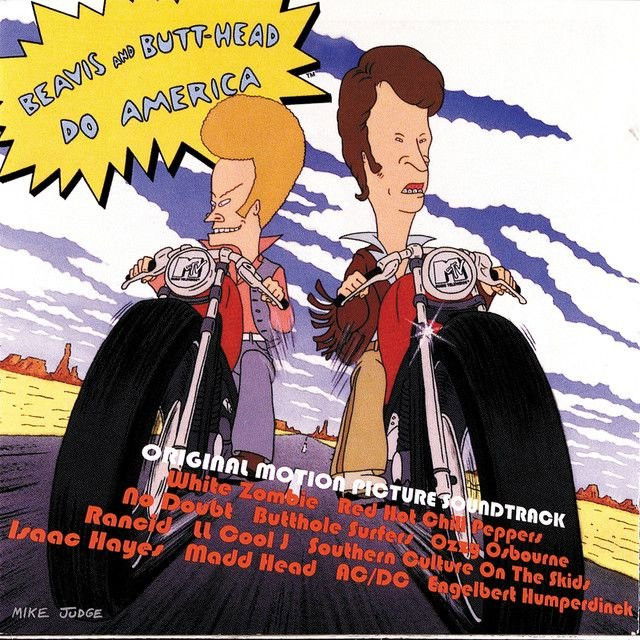
This matters because LL Cool J recorded the song as a cover of Rufus and Chaka Khan's classic, written by David Wolinski. His version was released in December 1996 on the Beavis and Butt-Head Do America soundtrack, and it became a major hit in the United Kingdom, reaching No. 1 there in early 1997. That success is part of the song's meaning too: it shows how easily this message of romantic certainty traveled across generations and styles.

Watch the official Ain't Nobody
music video
The Core Story Beneath the Hook
At heart, the song tells a simple emotional story. Love arrives without warning, the speaker stops resisting it, and that feeling changes their whole sense of self.
Early lines describe being pulled in almost by surprise. Phrases like captured effortlessly
and happened so naturally
frame love as smooth, not forced. The speaker is not chasing a fantasy so much as waking up inside one.
That is why the chorus feels so direct. When the song says loves me better
and makes me happy
, it is not trying to be clever. It is reducing love to its clearest test: does this person bring peace, warmth, and emotional safety? In this song, the answer is yes.
How the Verses Build the Feeling
The verses move in stages, and each one deepens the theme.
First, there is surprise. The speaker does not fully recognize the moment as love until they are already inside it. Then comes surrender. They admit they let myself go
, which suggests trust rather than weakness.
After that, the song turns to longing. The speaker says they had been waiting for this person and knew the connection was real as soon as they heard their presence, symbolized by your song
. This idea links romance and music: love becomes something heard, felt, and absorbed.
Finally, the song reaches reassurance. The speaker remembers loneliness, then contrasts it with a relationship that now feels almost impossible to doubt.
Can't believe I'm the one
I was so lonely
I must be dreamin'
That short passage captures the song's emotional engine. The speaker is overwhelmed not because love is chaotic, but because it feels like an answered wish.
The Chorus as a Statement of Security
The chorus is the song's emotional center because it keeps restating one idea: this relationship feels unmatched. There is admiration here, but also comfort.
Interpretation: the repeated claim that nobody compares is less about bragging and more about emotional certainty. The speaker has found a bond that quiets earlier isolation. In many love songs, repetition can sound obsessive. Here it sounds grateful.
That gratitude explains why the hook remains so catchy. It is built on plain language and a universal wish. Most listeners know what it means to want one person who makes life feel lighter.
Stars, Night, and Dream Logic
The imagery helps explain why the song feels bigger than a typical romance track. Again and again, it lifts the relationship into cosmic space: flying through stars, making wishes, hoping the night lasts forever.
These images do two things:
- They make the love feel elevated and rare.
- They show how time changes when someone feels deeply in love.
Interpretation: the stars and nighttime are not just pretty details. They act like symbols of escape. Daylight belongs to ordinary life; night becomes a private world where loneliness disappears.
The dream language matters too. The speaker wonders if the experience is real because happiness this complete seems hard to trust. That tension gives the song depth. It is not just celebrating romance; it is also showing how healing love can feel unbelievable after emotional emptiness.
Why LL Cool J Was an Interesting Fit
LL Cool J is best known as one of rap's earliest crossover stars, with Def Jam roots going back to the 1980s and major success across hip-hop and pop. By the mid-1990s, he had already balanced hard-edged rap records with softer, romantic material, including songs like "I Need Love" and later "Hey Lover." That history makes his take on "Ain't Nobody" feel logical rather than random.
His version works because he understood how to sell intimacy without making it sound fragile. Even when he moved into a smoother style, there was usually confidence underneath it. On this song, that confidence turns devotion into something strong and assured.
How the Sound Carries the Meaning
Production is a big part of why the song feels so warm. The groove is sleek, polished, and danceable, but not aggressive. The beat gives the song forward motion while the melody keeps it soft and floating.
That balance supports the lyrics. The rhythm says desire and movement; the melodic layer says tenderness and wonder. The result is a love song that feels both physical and dreamy.
Because this is a cover, the arrangement also carries memory. Listeners who knew the Rufus and Chaka Khan original would hear LL Cool J's version as both tribute and update. That mix of familiarity and freshness helped the track connect in the late 1990s.
A Clear Takeaway on the Song's Meaning
So what is the meaning of Ain't Nobody LL COOL J? It is about the shock of finally receiving the love someone has been missing. The lyrics turn that feeling into a simple claim: true affection does not just excite them, it restores them.
Interpretation: the song lasts because it treats romance as both pleasure and rescue. It says the best love does not only thrill a person for one night; it makes them feel chosen, calm, and fully alive.
Disclaimer: Song meaning can be subjective. This article offers a close reading based on the lyrics, recording context, and LL Cool J's version of the song.







