Why 'Two-Way Mirror' Feels So Intimate
The heart of the song
The meaning of Two-Way Mirror Loathe centers on emotional reflection. The song sounds like a love song at first, but it is really about the fear, need, and confusion that can exist inside close connection. They present a speaker who wants reassurance from someone else, yet also seems trapped inside their own thoughts.
"Two-Way Mirror" - Loathe
Blood of blood and life of life
Looking through the eyes of a life lived twice
Loading lyrics...
Unable to load lyrics
We're unable to display the lyrics at this time. Please try again later.
That is why the title matters. A two-way mirror lets one side watch while the other side may not fully see back. In this song, that image fits a relationship where both people share feelings and habits, but still struggle to reach each other clearly. The lyrics suggest intimacy mixed with distance, as if two people are standing very close while still separated by glass.
Watch the official Two-Way Mirror
music video
Reflection, doubling, and shared pain
Early lines build that idea of doubled identity. When the song mentions life lived twice
and sharing the same vice
, it points to mirrored behavior. The speaker sees their emotions reflected in another person, but that reflection is not fully comforting. It can also mean repetition, dependency, and the sense of being stuck in patterns.
The phrase precious vice
is especially important. It suggests that whatever hurts them also gives them relief. That could be the relationship itself, a shared emotional habit, or the comfort of staying in a familiar cycle. Interpretation: the song may be about loving someone who becomes both a safe place and a source of pain.
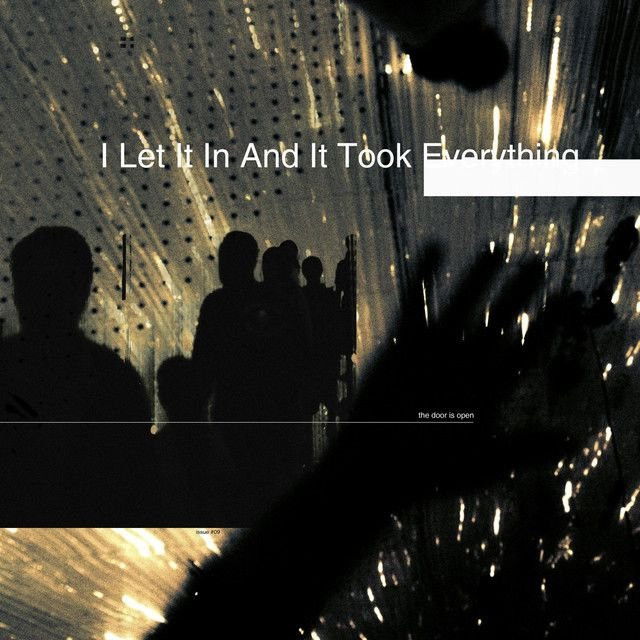
Loathe often move between heaviness and beauty, and that contrast matters here. On their 2020 album I Let It In and It Took Everything, this track stands out because it leans into shoegaze and alternative rock textures instead of pure metalcore. That softer frame helps the mirrored, blurred feeling come through.
A chorus that begs for reassurance
The emotional center of the song arrives in the repeated plea to keep believing. When the speaker says Hoping to find faith
, they do not sound confident. They sound like someone trying to hold onto trust while it slips away.
That uncertainty grows in the line about grace fading out. The song gives the feeling of someone acting okay rather than truly being okay. Then comes the request for another person to confirm reality: Just say "I know"
. In plain terms, the speaker wants recognition. They want someone to admit that the fear is real, shared, and understood.
It's all in our heads
and I'll stay here instead
This is the one moment where the song becomes almost painfully direct. The idea is not simply romance. It is about choosing to remain inside an emotional space, even if that space is unhealthy, because leaving it may feel even scarier.
Who they seem to be talking to
The song never names a clear character, which gives it power. The speaker could be talking to:
- a romantic partner
- a version of themselves
- someone who shares the same anxiety or sadness
All three readings fit the mirror image. If the other person is a lover, the song becomes a portrait of dependency and comfort. If the other person is the self, it becomes a song about inner conflict, with one side begging the other to stay calm. If it is both at once, that may be the richest reading: they cannot separate the relationship from their own mental state anymore.
How the sound carries the meaning
A big part of the meaning of Two-Way Mirror Loathe comes from its production. Instead of attacking the listener, the band lets the song drift. The guitars shimmer and blur, the drums stay controlled, and the vocals float rather than explode. That creates a dreamlike surface where the sadness feels suspended in air.
This matters because the lyrics are about uncertainty, not resolution. The music mirrors that by avoiding sharp edges. Even when the emotion gets intense, the song does not fully break open. It keeps circling, as if trapped in thought.
Critics often noted how much I Let It In and It Took Everything widened Loathe's sound; Kerrang! praised the album's range and atmosphere. On this track, that atmosphere becomes part of the storytelling. The soft-focus mix makes the listener feel the same blur the narrator feels.
The song's key question
Near the end, the song asks, what happens without fear? That question changes everything. Up to that point, the lyrics describe someone caught in a loop of need and doubt. Then the song briefly imagines another possibility: a self not ruled by anxiety.
Interpretation: this may be the song's deepest line. It suggests that the real barrier is not only the other person or the relationship. It is fear itself. If fear disappeared, maybe the speaker could act freely, speak honestly, or leave the cycle behind.
That makes the song sad, but not hopeless. Under the haze, there is still a quiet wish for healing.
Why the song stays with listeners
Two-Way Mirror connects because it captures a hard feeling with simple language. Many people know what it is like to want someone else to name what they are both feeling. Many also know the strange comfort of staying in a painful pattern because it feels familiar.
Loathe turn that tension into sound. They make the song feel tender, lonely, and suspended between closeness and separation. That is why the meaning of Two-Way Mirror Loathe continues to resonate: it is less about one clear story than about the emotional fog between two people who may understand each other almost completely, but not quite.
Final reflection
In the end, the song is about reflection in every sense: mirrored emotion, shared damage, and the search for proof that someone else truly sees what they see. Its beauty comes from not forcing a clean answer.
This interpretation is based on the lyrics, the song's sound, and available artist context. As with many Loathe songs, listeners may hear different meanings, and that openness is part of the point.







