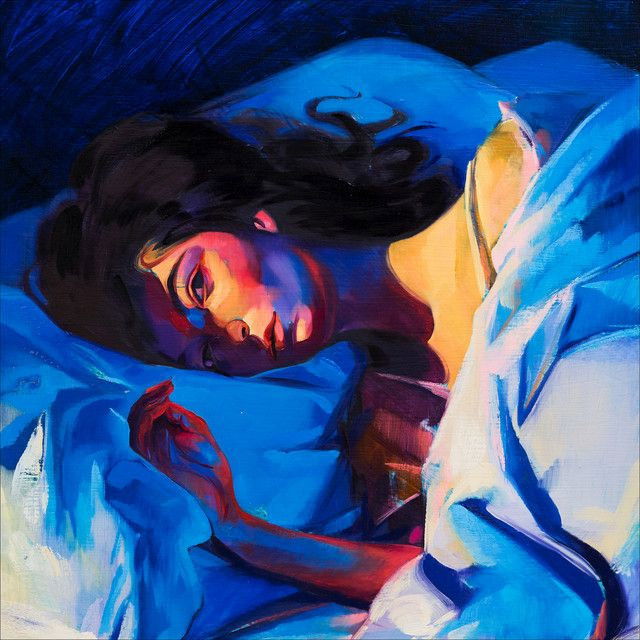
Liability by Lorde
A piano, a voice, and a bruise that won’t fade—that’s the core of Lorde’s quiet stunner. For listeners searching for the meaning of Liability Lorde, this ballad turns public scrutiny into a private reckoning, then a soft form of self-acceptance.
"Liability" - Lorde
Baby really hurt me
Crying in the taxi
Loading lyrics...
Unable to load lyrics
We're unable to display the lyrics at this time. Please try again later.
Alone, Exposed, and Then Choosing Yourself
Lorde sketches the arc from humiliation to autonomy. The opening image—crying in the taxi
—drops them into a moment when other people’s opinions cut deep. The hurt centers on the refrain that they are you’re a liability
, a burden who is “too much.”
Interpretation: The song argues that rejection can be clarifying. If closeness keeps breaking, it may be safer—and even kinder—to step back and claim the boundaries others won’t honor.
Watch the official Liability
music video
Who’s Talking, and to Whom?
The narrator speaks in first person to a swirl of figures: exes, friends, the press, and finally themself. When they retreat into the arms of the girl that I love
, it reads as a pivot inward. They become their own caretaker, aware that self-love can be fierce and imperfect at once.
Interpretation: This mirror relationship suggests a survival technique. If people label you overwhelming, you learn to be enough for yourself, even as that choice aches.
What Happens: A Quick Timeline of the Night
- A conflict leaves them raw; they leave the scene and end up
crying in the taxi
. - Others brand them
you’re a liability
, then “pull back.” - They imagine being entertaining until the novelty fades—like a
toy that people enjoy
. - The narrator decides they are
better on my own
, even if it stings. - They picture themselves
disappear into the sun
, a vanishing act that doubles as rebirth.
The Chorus Reframed: From Shame to Strategy
The hook quotes what the world says—you’re a liability
—but it doesn’t stop there. Each return to the chorus makes the phrase less a wound and more a label they refuse to carry. By the final turn, the narrator isn’t asking to be smaller; they’re choosing the company that won’t punish their full self.
Symbols That Burn, Break, and Fade
- Taxi tears: sudden vulnerability in public space; the loss is fresh and unmanageable.
- The mirror-lover:
the girl that I love
as an inner double, a self who is difficult but constant. - The toy metaphor:
toy that people enjoy
captures how fame and romance can devour novelty and spit out the person. - Summer and sun:
disappear into the sun
evokes erasure and transcendence—melting away from view while stepping into a harsher light. - Dancing alone at home: intimacy performed without an audience, a rehearsal for self-reliance.
How the Sound Carries the Weight
“Liability” is a stripped-down piano ballad, co-written and co-produced by Lorde and Jack Antonoff. The tempo is unhurried, keeping focus on breath and phrasing. Subtle organ and guitar textures widen the frame without softening the blow. The key and pace (around the low 70s bpm) let her husky tone sit forward, so every consonant feels like a confession.
Production choice as meaning: By removing the big drums and glossy hooks of her other singles, they stage the lyric in bare light. There’s nowhere to hide; the mix asks listeners to sit in the discomfort and hear the boundaries forming in real time.
Context That Informs the Lyric
Lorde has described writing “Liability” after a night of overwhelming emotion and being inspired by the raw intensity of Rihanna’s “Higher.” Critics also heard it as a response to the scrutiny that came with early success. Those facts matter: the song isn’t only about a breakup; it’s about how public judgment seeps into private rooms and warps intimacy.
Interpretation: When the narrator internalizes the chorus—you’re a liability
—they’re echoing a chorus of voices: tabloids, friends, and lovers who preferred her quieter. The counter-melody is the choice to keep singing anyway.
Alternate Readings Worth Considering
- Self vs. persona: The “girl” may be the onstage version of Lorde—dazzling, demanding, and hard to live with—whom the private self has to love without conditions.
- Breakup realism: It also works as a plain-spoken breakup song, where two people enjoy chaos until it stops being fun, and the narrator walks away before they’re discarded.
Both readings land on the same idea: you can be too bright for some rooms and still be right for yourself.
Takeaway You Can Feel
The meaning of Liability Lorde isn’t that the narrator is broken. It’s that they refuse to shrink to fit someone else’s comfort. The ballad hurts—and then it heals—because it makes solitude feel like a choice, not a sentence.
Disclaimer: Song meanings are interpretive; details above combine reported context with critical analysis.
Sources
- https://en.wikipedia.org/wiki/Liability_(song)
- https://time.com/4698555/lorde-liability-new-song/
- https://www.rollingstone.com/music/music-news/lorde-unveils-somber-piano-ballad-liability-107258/
- https://pitchfork.com/reviews/tracks/18887-lorde-liability/
- https://thespinoff.co.nz/music/19-06-2017/lorde-interview-melodrama









