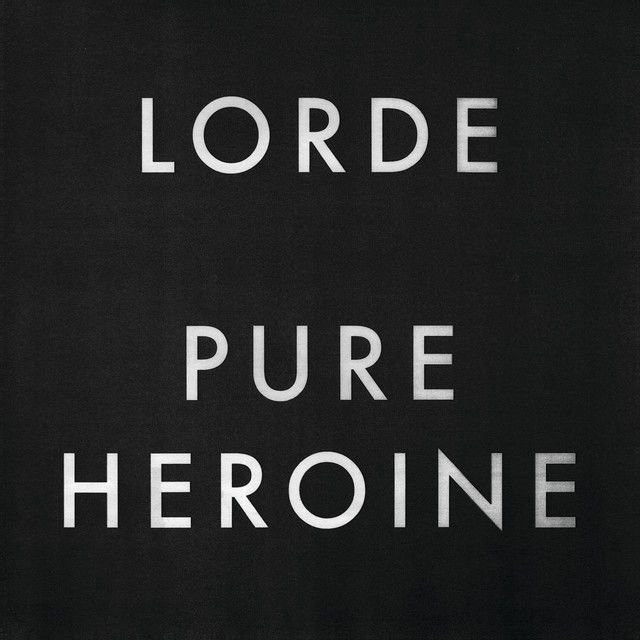
The Meaning of ‘Tennis Court’ by Lorde
They hear the synths click in, the voice stays cool, and a question hangs in the air: What is the meaning of Tennis Court Lorde is chasing here? Released June 7, 2013 as the second single from Pure Heroine, this track captures a teenager looking straight at sudden attention—and deciding how to perform, or refuse to.
"Tennis Court" - Lorde
Making smart with their words again, well, I'm bored
Because I'm doing this for the thrill of it, killin' it
Loading lyrics...
Unable to load lyrics
We're unable to display the lyrics at this time. Please try again later.
Fame as a game, and the mask you pick
The song opens with a side‑eye at small talk—Lorde calls it boring how people talk
—and then pivots to appetite and thrill. From the start, it pairs hunger with distance. She wants to “win,” but on her own terms. The tennis court works as a stage: marked lines, rules, onlookers. People cheer, judge, and narrate your moves.
As an interpretation, the court is her suburban arena in Auckland and, now, the global pop court. She’s testing how to act under lights: bold enough to play, detached enough to survive.
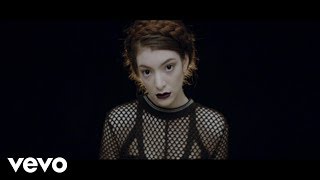
Watch the official Tennis Court
music video
Who’s speaking—and what are they hiding?
The narrator talks in first person, but she isn’t spilling everything. Short flashes—buying bright little things, flights out of town—hint at life speeding up. The distance shows most in that chilling smile: smilin' out of fear
. It’s the grin stars learn on red carpets and teenagers practice in school halls.
A defiant spark cuts through: they'll never own me
. She’s claiming control even as systems—labels, media, peers—try to shape her image.
A quick timeline: from neighborhood to notoriety
- Local kid watches a scene she already finds empty.
- A new door opens; travel and headlines arrive
when I'm known
. - Friends stay close, but the pecking order (“line for the throne”) creeps in.
- The bridge peeks at the fall: the picture looks fine, but cracks show, and someone can
watch from your window
.
Each beat returns to the same core: how to stay herself while people “talk it up.”
Why the hook lands like a quiet dare
Baby, be the class clown
I'll be the beauty queen in tears
On paper, those roles clash—funny vs. flawless. In practice, both are masks. The hook suggests a trade: they’ll perform indifference together and call it art. Interpretation: the chorus says the performance is the point—own it before it owns you. It’s not joyless, but it is strategic.
Symbols, decoded without overthinking
- Tennis court: A public, rule‑bound stage; youth culture’s arena for status and spectacle.
- Plane and “veins of my city”: Rising above home, seeing familiar streets turn into a mapped network—beautiful, but alien.
- Pictures and windows: Image versus witness. Photos polish; windows expose. Someone is always looking.
- Crowns and thrones: Not literal royalty—just teen/pop hierarchies, where everyone wants a seat and the seat never lasts.
None of these symbols preach; they sketch the pressure cooker of being seen.
How the sound carries the meaning
Produced by Joel Little, Tennis Court strips pop down to essentials: a downtempo, hip‑hop‑leaning beat, minimalist synths, and an electronic pulse. That sparseness makes every syllable land. The tempo sits mid‑pace, steady enough to feel cool, slow enough to feel watchful. Critics tagged it alternative pop/art pop for a reason: it prizes atmosphere and point of view over bombast.
Her vocal stays centered and contained, almost deadpan. That delivery matches the story—control as survival. When the chorus “yeahs” hit, they flare like camera flashes: quick, bright, a little numb. The one‑shot video by Joel Kefali pushes the idea further—face, stare, “yeah,” repeat—spotlighting the tension between exposure and refusal.
Context that sharpens the read
Lorde co‑wrote the song with Little during the Pure Heroine sessions and released it as the opener in 2013. It topped charts in New Zealand and earned multiple certifications abroad. In interviews, she’s linked the song to seeing how “fronts” work in the industry and to the nostalgia of her hometown—exactly the mix the lyrics trace.
Those facts matter for the meaning of Tennis Court Lorde presents: this isn’t a generic fame song. It’s a debut‑era mission statement about posing, deflecting, and deciding where the line is.
Other angles people hear
- Coming‑of‑age lens: It’s about teen roles—clown, queen, cool kid—and the cost of wearing them. Evidence: the chorus roles, the fear‑smile.
- Media‑surveillance lens: The bridge’s window and pictures point to being watched, praised, and punished at once.
- Suburban critique: The court, the bright little buys, the bored talk—small rituals that feel fake when life scales up.
All three readings fit because the text stays open. She keeps the mask on long enough for listeners to see themselves.
Takeaway
Tennis Court captures the thrill and chill of walking onto a public stage and choosing your face. The song’s power lies in restraint—few sounds, sharp images, and a steady gaze that says: I’m here, but I’m not yours.
Disclaimer: Song meanings are interpretive and can vary by listener; facts above reflect credited releases and widely reported context.
Sources
- https://en.wikipedia.org/wiki/Tennis_Court_(song)
- https://lorde.fandom.com/wiki/Tennis_Court_(song)
- https://www.billboard.com/music/pop/lorde-joel-little-interview-5793285/
- https://www.washingtonpost.com/news/arts-and-entertainment/wp/2013/10/24/lordes-tennis-court-video-is-a-metaphor-for-celebrity/
- https://www.digitalspy.com/music/a523471/lorde-confirms-tennis-court-as-new-single-for-uk/









