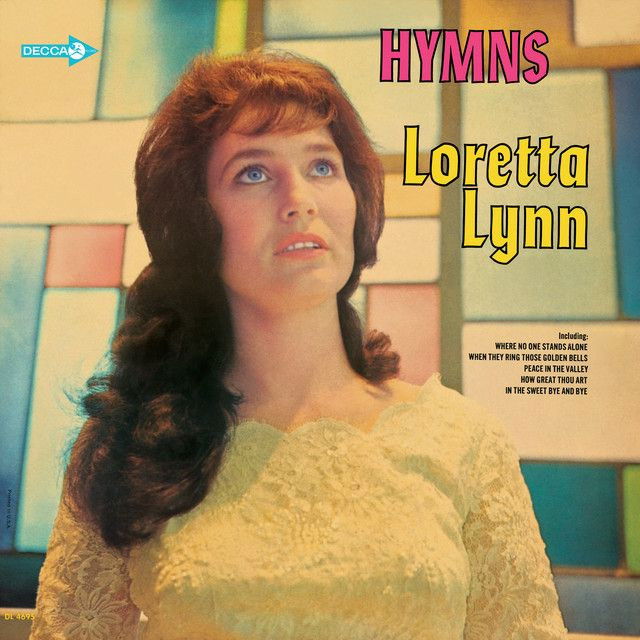
How Great Thou Art by Loretta Lynn
The meaning of How Great Thou Art Loretta Lynn starts with awe. This is not a song about private heartbreak or daily struggle. It is a hymn of praise that moves from the natural world to Christian hope, and Loretta Lynn sings it with a plain, direct strength that makes the message feel personal.
"How Great Thou Art" - Loretta Lynn
Considered all the worlds Thy hands have made
I see the stars I hear the roaring thunder Thy art throughout the universe displayed
Loading lyrics...
Unable to load lyrics
We're unable to display the lyrics at this time. Please try again later.
Though the hymn was written by Stuart K. Hine and has been recorded by many artists, Lynn’s version matters because of who they were as a singer: a country star whose voice often carried working-class pain, faith, and endurance. On her gospel album, they approached the song less like a grand performance and more like testimony. That choice shapes its meaning.
A Hymn About Wonder, Not Doubt
At its core, the song is about a believer looking at creation, thinking about Christ, and answering with praise. The first verse starts in amazement before the size and power of the world. Images of stars and thunder are not just scenic details. They suggest that nature itself points beyond human life.
When the singer reflects on the universe, the response is not fear alone. It becomes worship. The central idea is summed up in the repeated phrase How great Thou art
. In plain language, the song says that God’s greatness can be seen in creation and felt in the soul.
This is why the hymn has lasted. It takes huge ideas—creation, salvation, eternity—and expresses them in simple emotional steps: see, feel, bow, praise.
Watch the official How Great Thou Art
music video
How the Verses Build the Message
The structure of the lyric is important to the meaning of How Great Thou Art Loretta Lynn. Each part widens the frame.
First comes the natural world
The song begins with wonder at what God has made. Phrases like the stars
and roaring thunder
point to scale, force, and beauty. These are familiar images, but they work because they are easy to picture. The singer is not reading theology from a book. They are looking outward and responding inwardly.
Then comes the inner response
After that outward gaze, the song turns personal with Then sings my soul
. That line matters because it connects belief to feeling. The hymn says praise is not only spoken by the mouth or taught by religion. It rises from the whole self.
Then sings my soul
my Savior God to Thee
This brief moment captures the song’s heart: awe becomes devotion. The shift from nature to the soul keeps the hymn from being only descriptive. It becomes relational.
Finally, it looks toward eternity
Later lines move from the present world to the Christian future. The mention of Christ returning and the speaker going home gives the hymn a second layer. It is not only about admiring God in creation. It is also about trusting God for salvation and final peace.
What Loretta Lynn Brings to It
Loretta Lynn did not need vocal theatrics to sell belief. Their power came from clarity, accent, and emotional plainness. According to the Grammy Hall of Fame, the hymn itself became one of the most enduring songs in popular sacred music, and Lynn’s version fits that tradition by keeping the focus on reverence rather than show.
In their hands, the song sounds grounded in church and home. There is a strong country gospel feel: steady tempo, warm accompaniment, and room for the vocal to lead. That production style matters because it supports the lyric’s humility. A huge orchestral arrangement could make the song feel distant. Lynn’s approach keeps it human.
How the Sound Carries the Faith
The instrumentation in a country gospel recording like this usually works through simplicity: organ or piano tones, gentle rhythm, and supportive backing that never overwhelms the lead. That musical restraint mirrors the song’s message. The singer is standing before divine greatness, so the arrangement avoids ego.
Their phrasing also helps. Lynn often sang with a conversational pull, even in formal material. Here, that style makes lines about heaven and praise sound lived-in rather than abstract. They do not perform faith as a concept. They sound like someone who has relied on it.
Themes Beneath the Surface
Several themes give the song its lasting force:
- Awe before creation: nature becomes evidence of divine power.
- Humility: the speaker answers greatness by bowing, not boasting.
- Salvation: Christ is not a side note but part of the song’s emotional center.
- Hope beyond death: the idea of being taken home gives comfort.
- Communal faith: even when sung in the first person, the hymn invites shared worship.
Interpretation: In Lynn’s version, these themes may also reflect their broader artistic identity. Much of their music dealt with hardship, family, and survival. Singing this hymn can be heard as placing those human struggles under a larger, steadier truth.
Why the Chorus Still Lands
The chorus repeats because the singer has reached the limit of explanation. After trying to describe creation and redemption, the only fitting answer is repetition: How great Thou art
. That is not lyrical laziness. It is the point. Some feelings are too large for elaborate language.
For listeners in the United States, especially those familiar with church, country gospel, or Southern religious culture, that repetition can feel instantly communal. It invites joining in. The meaning of How Great Thou Art Loretta Lynn is not hidden or ironic. It is open, direct, and meant to be shared.
Final Take on Its Meaning
So what is the song about? In the clearest terms, it is about recognizing God’s greatness in the world, in the promise of Christ, and in the believer’s own response of praise. Loretta Lynn’s version deepens that message by stripping away distance. They sing the hymn as something trusted, not merely admired.
That is why the recording endures. It joins majesty to simplicity, and doctrine to feeling. Interpretation: listeners do not have to share the singer’s theology to hear what gives the song its force: wonder, humility, and hope.
Disclaimer: This interpretation is based on the lyrics, recording style, and known artist context. As with any song, individual listeners may hear its meaning differently.







