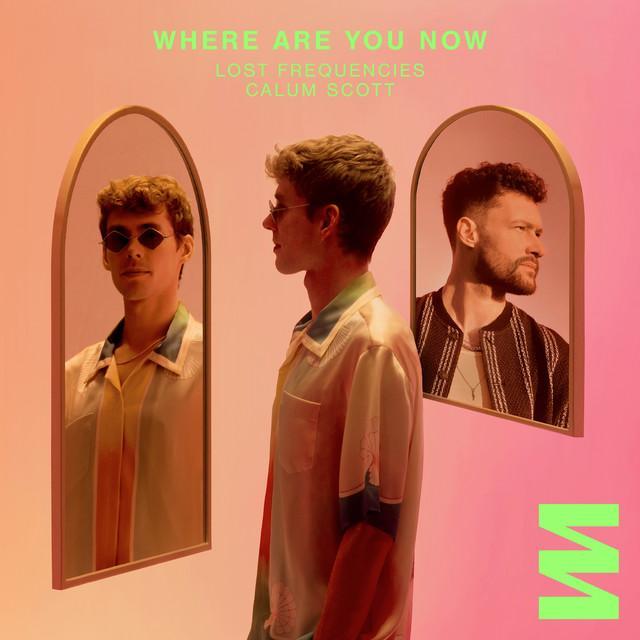
Where Are You Now by Lost Frequencies, Calum Scott
They come for the drop but stay for the ache. The meaning of Where Are You Now Lost Frequencies, Calum Scott lives in that tension: a rush of dance-pop energy wrapped around a simple, haunting question that won’t stop echoing.
"Where Are You Now" - Lost Frequencies, Calum Scott
Like my favorite song going 'round and 'round my head
Five days on the freeway
Loading lyrics...
Unable to load lyrics
We're unable to display the lyrics at this time. Please try again later.
A Loop of Memory and Motion
At its heart, the song is about longing for a lost love and the way memory repeats until it feels like music. The narrator can’t stop replaying one person, one time, one drive. That idea is captured in the refrain’s image of a favorite melody looping in the mind. The hook functions as both an earworm and an emotional loop, keeping them stuck between past and present.
You're just like my favorite song going 'round and 'round my head Like my favorite song going 'round and 'round my head
They describe the loop first, then ask the question: Where are you now?
The order matters. Memory comes first; absence follows.

Watch the official Where Are You Now
music video
Who’s Talking, and What Do They Want?
The narrator speaks in first person to a former partner. The tone is tender but searching, not angry. With lines like Hey, it's been too long
, they hint at both regret and hope. They want reconnection—or at least answers about where things went wrong.
Calum Scott has said in interviews that the track is about bringing people back together. That broader theme helped the song resonate as listeners reconnected after pandemic separations, a point also noted by Songfacts. The personal story pairs neatly with a collective feeling: we’ve all been missing someone.
The Road-Trip Flashback That Hurts Good
The verses scroll through vivid snapshots. We get Five days on the freeway
and Two hearts in the fast lane
, a fast-motion montage of young, open-road love. A quick nod to Guns N’ Roses—"Sweet Child O’ Mine"—shows how certain songs become anchors for memory. Hear the riff, feel the past.
Then the present intrudes. Sleepless in a bright city, the narrator admits they’re Lost in these city lights
. The contrast is sharp: blue skies and highways vs. neon insomnia. That move from open space to crowded night underscores how time and distance have closed in around them.
Why the Hook Sticks: The Title as a Wound
The chorus circles the question: Where are you now?
It sounds simple, but it means several things at once—Where do you live? Who are you with? Who are you now? By keeping the phrasing open, the song invites listeners to pour in their own missing person.
Interpretation: The repeated “where” also suggests the narrator is asking themselves where they are emotionally. The hook becomes both a call outward and a mirror inward. That duality is why it hits on the first listen and lingers after.
Symbols You Can Hear: Cars, Cities, and Songs
- The freeway and fast lane: youthful momentum, speed, and risk. Love moves fast; sometimes it misses the exit.
- City lights and insomnia: overstimulation and isolation. Even in a crowd, they feel alone.
- The “favorite song” loop: memory’s persistence. Some people become playlists; you can’t help hitting repeat.
- The rhetorical question: a wound that never quite closes, arriving at the end of verse and chorus like a heartbeat.
Each symbol is simple, but together they form a clear picture of nostalgia—bright, loud, and a little dizzy.
Production Choices That Tell the Story
Lost Frequencies (Felix de Laet) frames the story with a soft, shimmering house groove. The intro uses airy effects—delays and gentle panning—to give a dreamy, weightless feel, a technique he has discussed in interviews cited by Songfacts. When Calum Scott’s vocal arrives, it’s forward and warm, guiding the track with precision phrasing and a held-back power that saves the biggest lift for the chorus.
According to Songfacts, the song began as a much longer arrangement; Scott’s performance inspired the final cut and helped crystallize the mood. That explains its balance: the production feels open and floating, while the vocal presses close, like a conversation at 2 a.m. An acoustic version released in December 2021 further proves the core melody and lyric work even without the dance engine.
Other Ways to Hear It
Interpretation: Some listeners may hear a broader pandemic-era subtext—time lost, relationships paused, and a communal “it’s been too long.” Others may read it as the inner loop after any breakup, where the mind searches for a single mistake to fix. The text supports both: it keeps the details specific (road trips, songs on the radio) but the question universal.
Takeaway: The Question That Keeps Playing
If the story is simple, the feeling is not. The meaning of Where Are You Now Lost Frequencies, Calum Scott rests in how a dance beat can carry grief without weighing it down. They make the ache move. The result is bittersweet pop: a song you can dance to while you wonder who you still miss.
Disclaimer: Song meaning is subjective. This interpretation draws on the lyrics, production, and publicly shared artist comments, but listeners may reasonably hear it differently.









