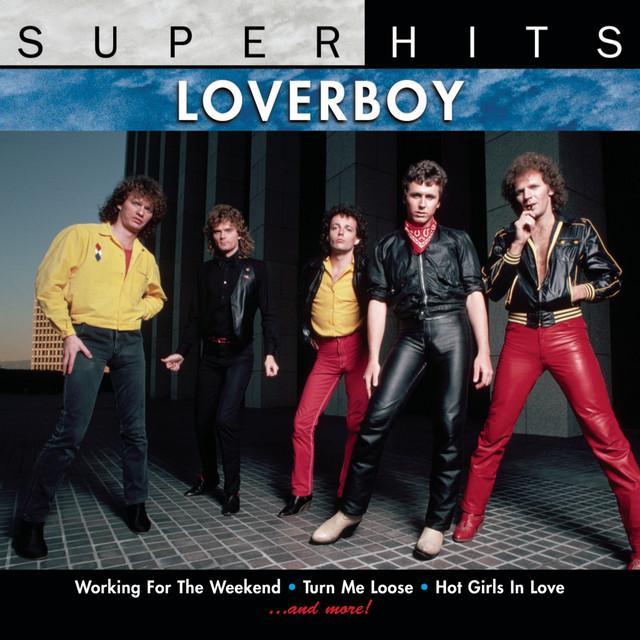
Turn Me Loose by Loverboy
Why This Anthem Still Feels Restless
The meaning of Turn Me Loose Loverboy starts with a simple conflict: a person wants love and excitement, but they refuse to be controlled. Released on Loverboy's 1980 debut album, the song helped introduce the Canadian band as loud, glossy, and built for radio. It became one of their signature hits, and its staying power comes from how clearly it turns private frustration into a public shout.
"Turn Me Loose" - Loverboy
I was born to dream,
The craziest boy you ever seen,
Loading lyrics...
Unable to load lyrics
We're unable to display the lyrics at this time. Please try again later.
At its core, the song is about independence. The narrator frames themself as someone wired for motion, risk, and self-direction. When another person tries to limit that freedom, the relationship becomes a trap instead of a bond. The big hook is not subtle, but that is the point: the song turns emotional pressure into a demand to be set free.

Watch the official Turn Me Loose
music video
The Story Inside the Lyrics
A character who rejects limits
From the opening lines, the narrator defines themself through movement and desire. Phrases like born to run
and born to dream
present freedom not as a preference, but as identity. They are not saying they occasionally like space. They are saying space is who they are.
That idea shapes the next confession too. When they insist on doing things my way
, the song presents stubbornness as both strength and flaw. They sound proud, but also reckless. This is someone who may be honest about their nature, yet not especially careful with other people's feelings.
When romance becomes pressure
The emotional turn comes when another person enters and tries to tie me down
. In plain terms, the narrator feels boxed in by commitment or by a partner's demands. Instead of describing compromise, the song jumps straight to resistance.
That jump matters. It suggests the relationship was already unstable because the narrator sees love and freedom as opposing forces. Rather than working through the conflict, they reach a breaking point and imagine escape.
I've had all I can take
pack my bags and fly
This short moment captures the song's whole dramatic arc: pressure builds, patience ends, and leaving becomes the only answer they can accept.
What the Chorus Really Means
The chorus turns frustration into a chant. When the narrator begs to be released, they are asking for more than the end of one relationship. They are defending a self-image built on motion, risk, and personal rule.
That is why the repeated cry to turn me loose
feels bigger than the plot. It sounds like a statement against any force that feels confining: romance, routine, adulthood, or even success that comes with obligations. In an early-1980s rock context, that kind of rebellion fit perfectly. The song speaks the language of youthful freedom, but with an edge of panic underneath.
Freedom, Ego, and the Song's Messier Side
A strong reading of the meaning of Turn Me Loose Loverboy is that the song celebrates freedom. But it also exposes the cost of that freedom. The narrator wants pleasure without limits and connection without accountability. That makes them exciting, yet unreliable.
Interpretation: the song may be more self-revealing than heroic. The line between independence and selfishness stays blurry on purpose. The narrator calls themself a clown, which hints at self-awareness. They know they may have mishandled the relationship, but that awareness does not change the outcome.
This tension gives the song more bite than a simple breakup anthem. It is not just about escaping a controlling partner. It is also about a person who cannot tolerate being asked to change.
How the Sound Sells the Meaning
Loverboy's sound is crucial to why the song works. Built from sharp guitars, punchy drums, keyboards, and Mike Reno's high, urgent vocal, the track feels like acceleration. The groove pushes forward almost constantly, mirroring the narrator's refusal to stay still.
Paul Dean and Reno wrote the song, and the production on the album credits is polished but forceful. That balance matters. The song is clean enough for arena radio, yet rough enough to preserve its emotional heat.
The arrangement also supports the theme in three clear ways:
- The verse sets up character through swagger and tension.
- The chorus opens wide, making the demand for release sound communal and huge.
- The instrumental drive suggests motion even when the lyrics repeat.
Reno's vocal performance is especially important. He does not sing like someone calmly making a choice. He sounds cornered, impatient, and desperate to break through the walls closing in.
Why Listeners Connected Then and Now
Part of the song's appeal is that its conflict is easy to recognize. Many listeners hear it as a breakup song. Others hear a broader message about resisting control from jobs, families, or social expectations. Because the lyrics stay direct and not overly detailed, people can project their own version of feeling trapped.
That helps explain why the track lasted beyond its chart era. It fits a classic rock tradition of escape songs, yet it also has the shiny, hook-heavy style that defined early MTV and FM radio. It is rebellious, but catchy enough to sing with friends in a car.
A Clear Take on the Song's Message
So what is the meaning of Turn Me Loose Loverboy? Most clearly, it is a song about someone who sees freedom as non-negotiable and reacts to emotional limits by choosing escape. It celebrates self-rule, but it also reveals the loneliness and immaturity that can come with that choice.
Interpretation: the song works best when heard as both a freedom anthem and a character sketch. It lets listeners enjoy the rush of breaking away while quietly showing how hard it is for the narrator to build a stable bond.
That balance is why the song still lands. It is loud, simple, and catchy on the surface, but underneath is a familiar human problem: they want closeness, yet they fear what closeness demands.
Disclaimer: This article offers an interpretation of the song based on its lyrics, recording context, and public history. Different listeners may reasonably hear it in different ways.







