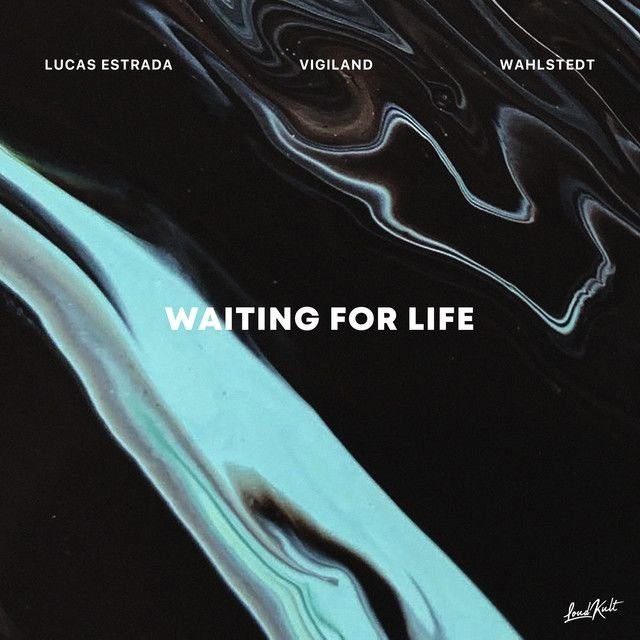
Waiting for Life by Lucas Estrada, Vigiland, Wahlstedt
The meaning of Waiting for Life Lucas Estrada, Vigiland, Wahlstedt comes down to one painful idea: they describe the moment when someone understands a love’s value only after it is gone. The song is built around absence, memory, and emotional delay. Its narrator is not just sad about a breakup; they feel like real life has paused.
"Waiting for Life" - Lucas Estrada, Vigiland, Wahlstedt
Pictures of you in my brain I can't forget us two
I would give all of my time
Loading lyrics...
Unable to load lyrics
We're unable to display the lyrics at this time. Please try again later.
That is why the title matters so much. They are not simply waiting for a person. They are waiting for feeling, energy, and purpose to return.
A Breakup Song About Realization Arriving Too Late
At its core, the song tells a familiar but effective story. The narrator has tried to move on, but no one measures up. They keep replaying the relationship in their head, and every new day seems to confirm the same truth: the loss became clear only when it was final.
The early lines set this up fast. The speaker says they tried leaving, yet no one compares to you
. That short phrase frames the whole emotional conflict. They are physically separated from this person, but mentally still attached.
Another line points to memory as a trap. The song mentions pictures of you
living in the mind, which shows how the relationship survives as a constant inner replay. This is not just nostalgia. It is obsession mixed with regret.
Watch the official Waiting for Life
music video
The Emotional Timeline Beneath the Hook
The lyrics move in a simple order, and that simplicity helps the song hit harder:
- They tried to walk away.
- They discovered they could not replace that bond.
- They admitted they did not understand the loss in time.
- They ended up waiting in emotional suspension.
The key confession is the realization that they lost you
only after everything ended. That is the emotional hinge of the song. Before that, there may have been distance, pride, or confusion. After that moment, there is only hindsight.
I would give all of my time
all my love
I wish I could rewind
This is the song’s clearest summary of regret. They are not bargaining from a place of confidence. They are imagining a different past because the present feels empty.
Why the Chorus Feels Bigger Than Romance
When the chorus says waiting for life
, the song expands beyond a normal breakup ballad. Interpretation: “Life” seems to stand in for emotional completeness. The missing person has become tied to the narrator’s sense of being awake, alive, and connected.
That can sound romantic, but it also reveals a problem. The speaker has attached their own vitality to someone else’s presence. In other words, the breakup has become an identity crisis. Without that relationship, they do not just feel lonely. They feel paused.
The repeated promise I won't let go
strengthens this reading. They are holding on not only to love, but to the version of themselves that existed inside that love.
Memory, Idealization, and the Fear of Replacement
One reason the song works is that it captures how grief edits the past. The lost person becomes unique, almost untouchable. The narrator claims nobody compares, and even a single touch once made them feel alive.
Interpretation: This does not automatically mean the relationship was perfect. It may mean distance has turned it into a symbol. In heartbreak, memory often keeps the highlights and softens the hard parts.
The line about running a great distance for that person supports this. It shows devotion, but also exaggeration, the kind that enters when someone feels desperate to prove what they should have said sooner. The song is not analyzing the relationship with calm balance. It is speaking from emotional aftershock.
How the Production Carries the Meaning
Lucas Estrada, Vigiland, and Wahlstedt all work in melodic electronic pop spaces, and that matters here. Their styles are associated with clean builds, bright synth textures, and choruses designed to feel large rather than intimate. That sonic scale gives the song an important tension.
The words are bruised, but the production lifts them upward. Instead of sounding private and acoustic, the track turns regret into something open-air and anthemic. That contrast makes the feeling more universal. Listeners can hear pain, but they can also move with it.
This fits the broader dance-pop tradition where heartbreak arrives with momentum. Acts like Vigiland often use energetic production to carry vulnerable emotion, while Lucas Estrada has built a catalog around sleek, melodic electronic songs. In that context, “Waiting for Life” feels designed to let sadness glow instead of collapse.
A Clear, Accessible Meaning
So what is the meaning of Waiting for Life Lucas Estrada, Vigiland, Wahlstedt in one sentence? They present heartbreak as a delayed awakening: the narrator understands love only after losing it, and now they are stuck waiting for their emotional world to turn back on.
That is why the song lands. It is direct, melodic, and easy to recognize in real life. Many people know the feeling of wanting one more night, one more chance, or one more honest conversation. This song turns that feeling into a polished, repeatable hook.
Final Thought on Its Lasting Pull
The song stays effective because it does not overcomplicate its message. It chooses one emotional truth—late regret—and builds every line around it. The memories, the wish to rewind, and the title phrase all point to the same wound.
Interpretation disclaimer: This reading is based on the released lyrics, performance, and production context. Since song meaning can vary from listener to listener, others may hear a slightly different story in the track.







