Why 'Floods' by Lucky Daye Hits So Hard
The meaning of Floods Lucky Daye comes down to emotional overload. They present a relationship that is no longer steady, where love, blame, regret, and confusion all crash together at once. Instead of describing a clean breakup, the song captures what it feels like when someone changes without warning and leaves the other person drowning in the aftermath.
"Floods" - Lucky Daye
Don't say names, I don't wanna know
No care for the blame games
Loading lyrics...
Unable to load lyrics
We're unable to display the lyrics at this time. Please try again later.
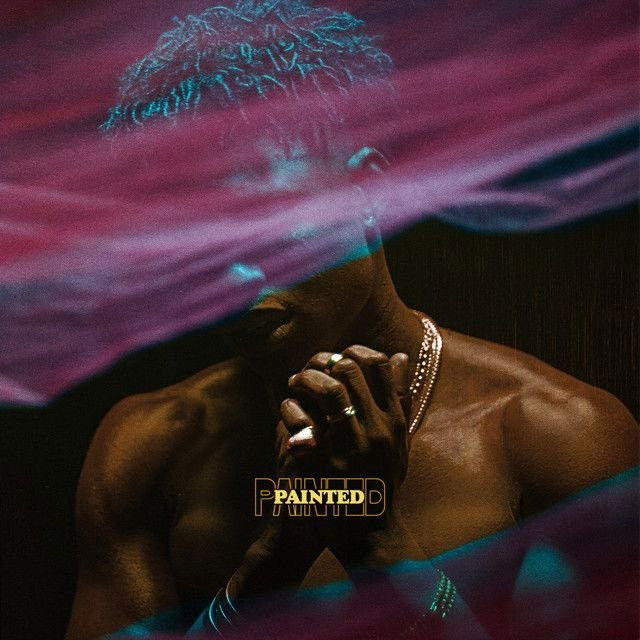
Lucky Daye built a reputation on emotional precision and rich modern R&B. His debut project Painted was widely praised for blending live instrumentation, classic soul warmth, and newer production ideas; one 2025 retrospective described the album as full of “live instrumentation, rich harmonies, and funk” while exploring complicated love and heartbreak (The Wilson Billboard). “Floods” fits that description perfectly.
The Song’s Real Conflict Is Instability
At its core, “Floods” is about trying to understand a partner who has become emotionally hard to reach. The singer is not only hurt; they are confused by the other person’s silence and unpredictability. Early lines suggest arguments, blame, and a refusal to communicate clearly. When the song says blame games
, it points to a relationship where honesty has been replaced by defense and accusation.
That matters because the pain in the song is not just about losing love. It is about feeling stuck inside unclear rules. One person still wants answers, while the other seems to withdraw, attack, or change direction.

Watch the official Floods
music video
Weather, Water, and Seasons as Emotional Language
The title image is the key to the whole track. A flood is not a small feeling. It is force, overflow, and loss of control. When the singer says Flood away
, it sounds like surrender as much as release. They may be telling the pain to wash out of them, or they may be admitting they can no longer stop it.
The song also uses seasonal change to describe emotional whiplash. The repeated idea that someone can make seasons change
without warning turns a romantic problem into a climate problem. Interpretation: this suggests the partner sets the emotional temperature of the relationship, while the narrator is left reacting to sudden cold fronts.
That image becomes even sharper with the line about being out there in the cold
. The cold is not just loneliness. It suggests exclusion. The singer feels pushed outside of intimacy, left to wonder what changed and why.
Regret Makes the Song More Human
One reason “Floods” works so well is that it does not make the narrator sound completely innocent. They admit, in effect, that they should have made their partner feel valued. That confession changes the song’s tone. Instead of simple accusation, it becomes a messy emotional self-audit.
This is where the meaning of Floods Lucky Daye gets deeper. The song is not just saying, “You hurt me.” It is also asking, “What did I miss while this was falling apart?” That self-questioning gives the track its ache.
There is also a coping pattern in the second verse: drinking to blur painful thoughts. The phrase drinkin' poison
is short but powerful. It shows that the singer knows the escape is harmful, yet still reaches for it. The flood outside becomes a flood inside.
A Quick Timeline of the Story
The song unfolds in a clear emotional sequence:
- The relationship is already tense, with shame, blame, and silence.
- The narrator asks for direct communication but does not get it.
- They realize the partner may no longer be fully invested.
- Regret and self-medication follow.
- The chorus reframes everything as sudden weather change and emotional abandonment.
That structure helps explain why the hook lands so hard. It does not interrupt the story; it translates it into vivid imagery.
How the Sound Supports the Lyrics
Lucky Daye’s music often stands out because of its warmth and live feel. Reviews of Painted praise its organic musicianship and mix of neo-soul, funk, and contemporary R&B (The Wilson Billboard). In “Floods,” that style matters.
The song’s smoothness creates contrast. The instrumental bed feels controlled, but the emotions do not. That tension mirrors the lyrics: the singer is trying to stay composed while internally unraveling. Their vocal delivery helps too. Rather than exploding all at once, they often sound restrained, which makes the heartbreak feel heavier.
Interpretation: the polished production may represent the face they show the world, while the lyrics reveal the storm underneath.
Another Possible Reading of “Floods”
There is a second way to hear the track. It may not only be about a failing romance; it may also be about the confusion that comes from mismatched emotional maturity. The singer sounds shocked that love could turn so quickly, almost as if they believed effort alone would save it.
Why you got me fallin'just to spring up in the summer?
Those lines point to mixed timing and mixed intentions. One person was already emotionally invested, while the other may still have been uncertain. That makes the song less about a sudden betrayal and more about discovering too late that the relationship was never equally secure.
Why the Song Stays With Listeners
A 2025 review of Painted called “Floods” raw and relatable enough to bring tears (The Wilson Billboard). That response makes sense. The song avoids dramatic revenge or easy closure. Instead, it lives in the harder space between hurt and understanding.
That is why the meaning of Floods Lucky Daye feels lasting. They turn emotional inconsistency into weather, loneliness into cold, and inner chaos into rising water. The result is a breakup song about what happens when love does not end cleanly—it saturates everything first.
Final Take on the Emotional Current
“Floods” is about being overwhelmed by a partner’s silence, unpredictability, and emotional distance, while also facing personal regret. Its water and season imagery make that instability easy to feel, and Lucky Daye’s gentle but strained performance keeps it intimate.
This interpretation is based on the lyrics, credited songwriters, and publicly available context, and like all song analysis, it remains an informed reading rather than a confirmed final meaning.









