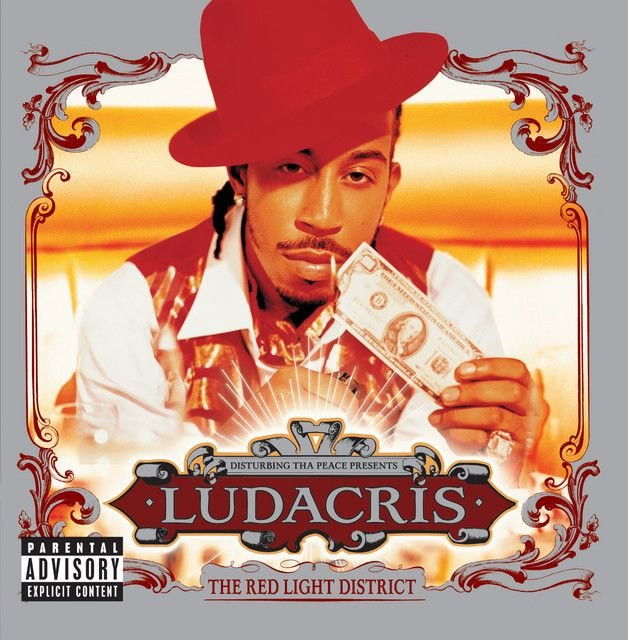
Why ‘Blueberry Yum Yum’ Is Pure Smoke-Cloud Comedy
The meaning of Blueberry Yum Yum Ludacris, Sleepy Brown is not especially hidden, and that is part of the song’s appeal. They build the track around a simple idea: the pleasure, bragging rights, and goofy side effects of smoking a prized strain of weed. Instead of dressing that up as a moral lesson, they lean into comedy, repetition, and atmosphere.
"Blueberry Yum Yum" - Ludacris, Sleepy Brown
Think I'ma try somethin' that I ain't
I ain't never did before on this one
Loading lyrics...
Unable to load lyrics
We're unable to display the lyrics at this time. Please try again later.
That makes the song a good example of how Ludacris often worked in the mid-2000s. He could be sharp and technical, but he also loved turning a single joke or image into a full performance. Here, the joke is the strain itself, and the performance is all about how it changes appetite, energy, focus, and mood.
A Song About Intoxication, Not Mystery
At the most basic level, the track is a weed anthem. The hook tells listeners exactly what matters: get your lighters
and enjoy something so potent it feels unforgettable. The verses then expand that idea through vivid but exaggerated details.
Rather than describing romance, heartbreak, or conflict, the song stays focused on sensation. They talk about taste, hunger, sluggishness, and the feeling of being pleasantly overwhelmed. When Ludacris praises blueberry yum yum
as that fire
, he is not being subtle. He is turning product hype into a full character sketch of the person using it.
Interpretation: The song’s real subject is not only marijuana. It is also desire itself: finding one thing that feels better than the rest and obsessing over it.
Watch the official Blueberry Yum Yum
music video
How the Verses Turn a Smoke Session Into a Story
The song works because it has a loose narrative shape. Even without a strict plot, the listener can follow the session from anticipation to total haze.
First beat: the ritual begins
The opening is a group invitation. The hook frames smoking as a shared event, almost like a party chant. That communal setup matters because the song is less confessional than performative.
Second beat: the strain becomes legendary
In the first verse, Ludacris treats the weed like a rare luxury. He marvels at how good it tastes and how strongly it hits. His praise is playful and inflated, which fits his larger-than-life rap persona.
Third beat: the side effects take over
Soon the song shifts from admiration to consequences. He wants food, loses focus, and moves slowly. Phrases like need some snacks
and barely awake
turn intoxication into comedy.
Fourth beat: bragging rights close the loop
By the end, the song becomes competitive. Ludacris claims his stash is better than everyone else’s. That boastful ending keeps the tone in rap tradition even while the content stays silly.
Why the Hook Matters So Much
Sleepy Brown’s chorus is the reason the song feels dreamy instead of harsh. His melodic style, familiar from the Dungeon Family world and Organized Noize circle, adds warmth and glide to the record. The repeated hook does more than summarize the song; it recreates the foggy loop of being high, where the same thought can feel endlessly satisfying.
Get your lighters
roll that sticky
let's get higher
That short sequence captures the whole premise: invitation, preparation, lift-off. Because the words are simple, the mood carries the meaning.
Sound, Tempo, and the Southern Rap Mood
Production is crucial to the meaning of Blueberry Yum Yum Ludacris, Sleepy Brown. The beat is relaxed, heavy, and unhurried, which matches the slowed-down state in the lyrics. The groove leaves room for Sleepy Brown’s silky chorus and for Ludacris to stretch words, repeat sounds, and sound pleasantly off-balance.
The repeated syllables are important too. They imitate drift and delay, as if thought itself is slowing down. Instead of racing through bars, Ludacris often lingers on a word until it becomes funny. That choice turns technique into storytelling.
This sound also places the song firmly in Southern rap’s tradition of mixing funk, humor, and atmosphere. Ludacris was one of the biggest Atlanta stars of the era, and Sleepy Brown brought a smooth local lineage tied to the city’s soul-rap crossover style. The result feels regional in the best way: specific, musical, and casual.
More Than a Weed Song? Only a Little
There is no strong evidence that the track aims for a deeper coded statement. It is mostly what it sounds like: a celebration of getting high. Still, a few small ideas sit underneath the surface.
Interpretation: The song can be heard as a portrait of excess made harmless through humor. Ludacris takes ordinary side effects and makes them cartoonish, which lets listeners laugh at indulgence instead of treating it as danger or drama.
Interpretation: It can also be heard as a song about taste and status. The strain is not just enjoyable; it is elite. That turns personal preference into social flexing, a classic rap move.
Why It Endures With Fans
Fans still return to the track because it is catchy, specific, and funny. Many rap songs mention weed, but fewer build the entire song around one flavor, one mood, and one exaggerated set of consequences. That narrow focus makes it memorable.
It also helps that Ludacris commits completely to the bit. He does not wink at the audience from a distance. They throw themselves into the haze, and Sleepy Brown gives that haze a soft melody people can remember.
The Simple Truth Behind the Smoke
In the end, the meaning of Blueberry Yum Yum Ludacris, Sleepy Brown is a mix of celebration, bragging, and comic intoxication. The song captures how a smoke session can feel huge in the moment: tasty, funny, communal, and slightly absurd.
That does not make it shallow. It makes it focused. Sometimes a song lasts because it says one thing clearly and says it with style.
Disclaimer: This interpretation separates clear lyrical content from critical reading. Meaning can vary by listener, and some readings above are informed interpretation rather than confirmed artist intent.








