Splash Waterfalls by Ludacris
A Seduction Song Built on a Split Screen
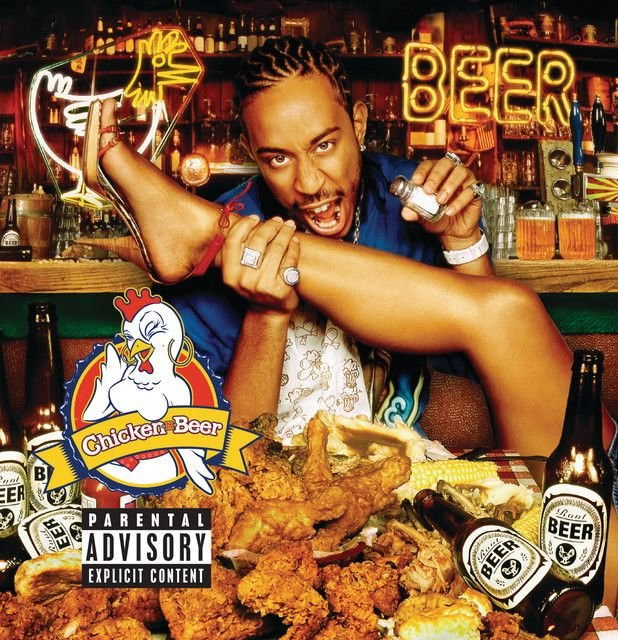
The meaning of Splash Waterfalls Ludacris starts with a contrast: romance on one side, blunt desire on the other. Released as the fourth single from Chicken-n-Beer in 2004, the track became one of Ludacris' biggest crossover hits, reaching No. 6 on the Billboard Hot 100. Factually, it came from a period when Ludacris was balancing comedy, radio skill, and shock value in mainstream rap.Wikipedia Billboard
"Splash Waterfalls" - Ludacris
Oh, oh, oh, what? (Fuck, me)
Oh, oh, oh, say it (make love to me)
Loading lyrics...
Unable to load lyrics
We're unable to display the lyrics at this time. Please try again later.
What makes this song stand out is not just that it is sexual. Many rap songs are. What stands out is the way it keeps flipping between tenderness and raw appetite, almost like two conversations happening at once. The hook sets that up clearly with make love to me
versus a much more explicit demand. In the clean version, that line was changed to touch me
, which shows how central that contrast was to the song's design rather than just its profanity.Wikipedia

Watch the official Splash Waterfalls
music video
What the Song Is Really Saying
At its core, the song argues that intimacy can take different forms, and people often move between emotional connection and physical craving. Ludacris presents these as opposites, then treats them as closely linked. Early on, he says they are both one and the same
. That line is key to the whole record.
Interpretation: They are not claiming every relationship works this way. Instead, they are dramatizing a common tension in adult relationships: sometimes people want affection, patience, and commitment; other times they want urgency, fantasy, and release. The verses jump through examples of both.
That is why the song keeps moving from candlelight and family plans to secrecy, arguments, and casual hookups. It is less a story with one couple than a catalog of situations. Ludacris plays commentator, entertainer, and provocateur all at once.
How the Verses Map Love and Lust
Romance, routine, and the fantasy of stability
In several lines, the song imagines classic relationship behavior: slow kissing, holding hands, spending money, and thinking long-term. Even a phrase like making family plans
points to a settled future. Those details matter because they give the song more shape than a simple club track.
Ludacris is showing the script of romance that many listeners recognize. The setup sounds soft, familiar, and almost traditional.
Then the song swerves into blunt desire
Just as quickly, the verses flip to rougher, more explicit imagery. This is where the song gets its edge. Instead of choosing one lane, it bounces between sweet and graphic language for impact.
Interpretation: That constant switching suggests the song is really about performance. People perform romance. People also perform sexual confidence. Ludacris exaggerates both roles, which fits his larger artistic style in the early 2000s.
Cupid's the one to blame
You gotta do it right
These short hook ideas summarize the song well. Desire may feel natural and fated, but the song also treats it like a skill, a game, and a ritual.
Why the Hook Carries the Whole Meaning
The chorus is simple, but it does the heavy lifting. Sandy Coffee's responses create a call-and-response format that sounds almost like two inner voices. One asks for closeness; the other asks for pure physical release. Because the hook repeats so often, the song turns that contrast into its main thesis.
This is also why the record stayed memorable on radio. Listeners did not need every verse detail to understand the idea. They only needed to hear the push and pull in the refrain.
Interpretation: The hook may be saying that many adult relationships contain both tenderness and carnality, even when people pretend otherwise.
The Sound Makes It Feel Smoother Than the Lyrics
Production matters a lot here. According to available credits, the song was produced by Icedrake and samples Ted Taylor's 1978 recording of "Be Ever Wonderful." That sample gives the track a warm, silky backbone that softens the harshness of the verses.Wikipedia
Instead of a hard, aggressive beat, the music glides. The slow groove, melodic loop, and relaxed pacing make the song feel seductive rather than chaotic. That choice is smart: if the beat were harsher, the lyrics might sound cruder. Because the instrumental is smooth, the song lands more like bedroom talk than pure provocation.
The contrast between Ludacris' playful delivery and the soul-based sample also deepens the theme. The music leans toward romance, while the words keep testing the line between romance and lust.
Artist Context Helps Explain the Approach
Ludacris built much of his early career on humor, charisma, and outrageous detail. Songs like "What's Your Fantasy" had already made him famous for turning sexual talk into theatrical rap. Research around "Splash Waterfalls" often notes its resemblance to that earlier style, especially in its adult content and playful exaggeration.Wikipedia
So this song was not a sudden artistic detour. It was part of a bigger pattern. What changed was the packaging. "Splash Waterfalls" is smoother, slower, and more radio-friendly than some of his wilder singles, even though the content is still explicit.
That may explain its broad appeal. It gave mainstream listeners a sensual R&B atmosphere while keeping Ludacris' comic, bold persona intact.
Final Take on the Meaning of Splash Waterfalls Ludacris
The best way to understand the meaning of Splash Waterfalls Ludacris is to see it as a song about duality. It frames intimacy as both emotional and physical, tender and crude, romantic and transactional. Ludacris does not resolve those tensions. They keep them alive because that friction is the point.
For some listeners, it will sound funny and knowingly over-the-top. For others, it will sound like a real snapshot of mixed motives in adult relationships. Both readings fit the song.
Disclaimer: This article offers interpretation based on the lyrics, production, and release context. Song meanings can vary from listener to listener.







