Why ‘We Rode in Trucks’ Still Hits Home
More Than a Truck Song
The meaning of We Rode in Trucks Luke Bryan starts with a simple idea: the truck is not just a vehicle. In this song, it becomes a moving symbol for growing up, working hard, making mistakes, and remembering where someone came from.
"We Rode in Trucks" - Luke Bryan
The Flint River washes that red Georgia dirt
The sun sets slow and the stars shine bright
Loading lyrics...
Unable to load lyrics
We're unable to display the lyrics at this time. Please try again later.
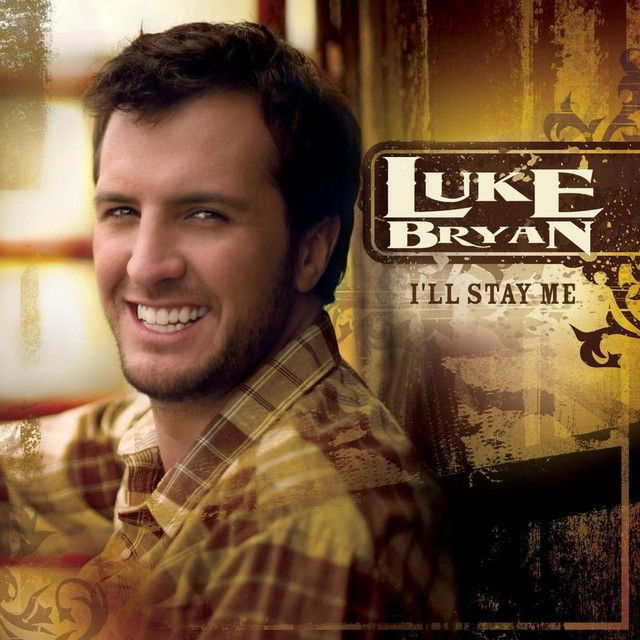
Released on Luke Bryan’s debut album I’ll Stay Me in 2007, the song was his second single, following “All My Friends Say.” It was written by Bryan, Jim McCormick, and Roger Alan Murrah. Factually, it is rooted in Bryan’s Georgia background and the rural world that shaped him early in life. Research on the song’s context describes it as a look back at childhood, farm life, football, and the red clay country around the Flint River.
What makes the song memorable is that it treats those memories as ordinary and sacred at the same time. The opening image of red Georgia dirt
quickly grounds the listener in a specific place, but the feeling is wider than one town. It is about how local details become part of a person’s identity.

Watch the official We Rode in Trucks
music video
The Real Subject: Identity Built by Place
At heart, this is a song about belonging. The narrator is not bragging about rural life. They are honoring it. The repeated line we rode in trucks
works almost like a family phrase, a shorthand for a whole upbringing.
A childhood shaped by work and faith
The first verse ties farm labor, family life, and religion together. The song moves through crops, kids, sunsets, and church-minded values without separating them. That matters because it shows a community where work, belief, and daily routine all live side by side.
Interpretation: Bryan presents rural life as both tough and beautiful. The song does not pretend it was perfect, but it suggests that those early surroundings gave the narrator a stable moral center.
Growing Up Is Messy Here
One of the strongest parts of the song is that it does not freeze childhood into a fake postcard. It admits that growing up includes rough edges. On the school bus, the kids learn how to lie, fight, flirt, and swear. That section broadens the song’s meaning: the truck may be the title image, but the real story is learning how life works.
The phrase all best friends
matters because it softens the self-criticism around being poor or awkward. These people do not have much, but they have one another. The song frames friendship as a kind of wealth.
tailgates down
mud on our tires
That brief image captures the social side of the song. Trucks are where work ends and hanging out begins. They connect the field, the parking lot, the road, and the edge of town. In other words, the truck becomes a classroom, a gathering place, and a rite of passage.
How the Story Moves Through Time
The verses follow a clear life path:
- Childhood in a rural Georgia setting.
- Teen years shaped by friends and small-town codes.
- Early ideas about manhood through tobacco, beer, and copying fathers.
- A more mature awareness that some habits hurt the people around them.
- Young love, heartbreak, and memory settling into identity.
That fourth step is important. The song notes that trying to be like older men can come with damage, especially when the narrator sees how it affects their mother. That moment adds emotional depth. It shows that nostalgia here is not blind. Bryan remembers the fun, but they also remember the pain.
Why the Chorus Feels So Powerful
The chorus is built on recognition. Each time the narrator says That’s us
, they are pointing to a living snapshot: field work, town drives, and familiar roads. The song keeps saying that the past is not gone. It still exists in the mind.
Interpretation: The chorus suggests that memory is a form of survival. When the singer says that this world is part of their soul, they are saying the past still lives inside the present. The truck is really a carrier of memory.
This is why the song resonates beyond country fans. Almost everyone has some version of Buck Island Road: a back road, parking lot, porch, or neighborhood corner that still holds their younger self.
How the Sound Supports the Meaning
Musically, “We Rode in Trucks” stays close to a mainstream 2000s country sound. It leans on steady drums, warm guitar, and an easy tempo that feels reflective instead of dramatic. The production does not crowd the lyric. That restraint helps the memories feel natural.
Bryan’s vocal delivery matters too. He sings with affection, not irony. There is energy in the hook, but there is also a softness in the way he returns to home-state details. That balance keeps the song from sounding like a novelty truck anthem. It feels personal.
Artist Context Makes the Song Richer
Bryan’s own history helps explain why the song carries emotional weight. He grew up in Georgia, attended Georgia Southern, and worked on his family’s peanut farm before moving to Nashville. That background gives the song a lived-in quality.
The track was not a huge chart smash. It reached No. 33 on Billboard’s Hot Country Songs chart, and Bryan later told American Songwriter that when it “didn’t make it,” it put him in a very dark headspace because he believed it would fast-track his career. That quote is revealing. It shows how much faith he had in the song.
In hindsight, that disappointment adds meaning. “We Rode in Trucks” became part of Bryan’s larger story: a song that may not have been his breakthrough hit, but still stands as one of his clearest statements of origin.
Final Take on Its Meaning
So, what is the meaning of We Rode in Trucks Luke Bryan? It is about more than country imagery. It is about how place, family, faith, friendship, and mistakes shape a person long after they leave home.
The truck stands for movement, but the song itself is about roots. It says someone can keep growing, changing, and leaving town while still carrying that town within them.
Interpretation disclaimer: Song meaning is never fully fixed. This reading is based on the lyrics, the song’s release context, and Luke Bryan’s public comments, but listeners may hear different emotional truths in it.








