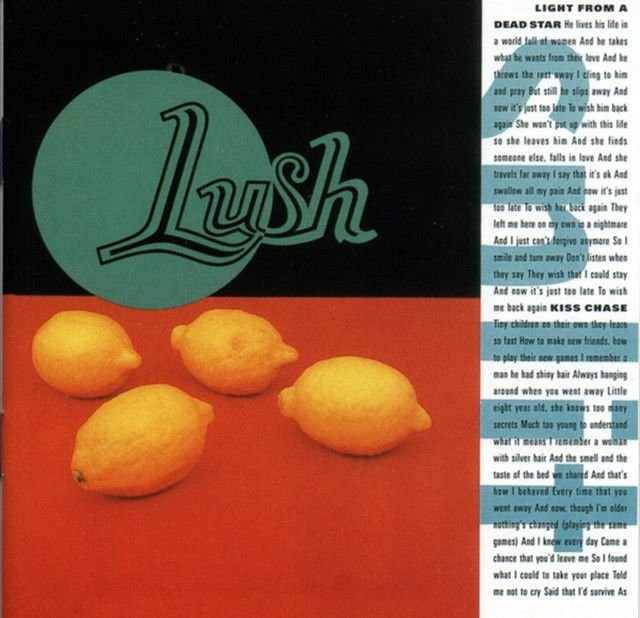
Kiss Chase by Lush: Growing Older, Same Wounds
The meaning of Kiss Chase Lush comes into focus as a song about abandonment, learned coping, and the way childhood patterns can keep shaping adult relationships. Written by Miki Berenyi and associated with Lush’s early alternative/shoegaze era, the song pairs intimate memories with a calm but troubled self-portrait. It is not just about romance. It is about what happens when someone expects to be left and starts acting out that fear before the goodbye arrives.
"Kiss Chase" - Lush
How to make new friends, how to play their new games
I remember a man he had shiny hair
Loading lyrics...
Unable to load lyrics
We're unable to display the lyrics at this time. Please try again later.
The Song’s Core: Fear Learned Early
At its heart, “Kiss Chase” connects early emotional disruption to later behavior. The opening image of children learning games quickly is important because it frames growing up as imitation and survival. The narrator is not proud of what they learned; they are tracing where the pattern began.
That is why the repeated idea of playing the same games
matters so much. The phrase suggests more than flirtation. In context, it points to repeated emotional habits, especially using substitutes, distractions, or risky closeness to fill the space left by an absent person.
Interpretation: the song argues that adult behavior can feel chosen in the moment, while actually being driven by much older wounds.

Watch the official Kiss Chase
music video
Childhood Scenes That Refuse to Stay Past
Several verse details make the song feel autobiographical, or at least emotionally specific. The child figure who knows too many secrets
is described as being far too young to grasp what those secrets mean. That line gives the song its sharpest ache. It suggests premature exposure to adult behavior, adult instability, or adult intimacy.
The remembered man and woman are presented through fragments: hair, smell, taste, a bed, departures. These are sensory memories rather than full explanations. That method matters. Trauma and confusion often return as snapshots, not neat stories.
Told me not to cry
Said that I'd survive
As he waved goodbye
This is the article’s clearest emotional pivot. A leaving figure offers comfort, but the comfort does not erase the damage. The goodbye becomes the lesson. Survival is possible, yet survival is not the same thing as security.
How the Chorus Changes the Story
When the song reaches its central refrain, it stops being only about memory and becomes a confession. The narrator admits that this is how I behaved
whenever the other person went away. That admission is crucial to the meaning of Kiss Chase Lush because it turns the song from observation into accountability.
They are not only blaming the past. They are noticing how they now respond to absence. The line about finding something to take the other person’s place shows a coping mechanism built on replacement rather than trust.
Not Malice, but Panic
The song does not present this behavior as cruelty for its own sake. It sounds closer to panic management. If abandonment feels likely every day, then emotional self-protection can start looking like sabotage.
Interpretation: the narrator may seek control by acting first, filling the void before it opens, or repeating unstable patterns because those patterns feel familiar.
Sound and Style: Why It Hurts More Than It Shouts
Lush were a key part of the British alternative and shoegaze-linked scene of the late 1980s and early 1990s, and their early work often blended melodic beauty with emotional blur. On AllMusic, the band’s catalog is broadly situated within dream pop, shoegaze, and alternative rock, which fits the floating yet uneasy character of this song.
That sound matters here. Rather than delivering the lyric like a dramatic outburst, the arrangement softens the edges. The guitars and haze-like texture create distance, which makes the confession feel even sadder. Instead of a clean therapeutic statement, the song feels half-submerged, as if the narrator is remembering and reliving at once.
Miki Berenyi has also discussed parts of her life and songwriting in ways that help explain why memory, identity, and emotional residue recur in her work, including around her memoir Fingers Crossed. That context does not prove a one-to-one autobiography here, but it supports reading “Kiss Chase” as a song deeply interested in how the past keeps speaking through the present.
Images That Carry the Meaning
A few motifs do most of the song’s heavy lifting:
- Games: not innocent fun, but rehearsed social behavior.
- Departure: the fear engine behind every choice.
- Secrets: knowledge that arrives too early.
- Sensory memory: smell, taste, and touch as signs of lingering imprint.
Together, these images show a person who learned intimacy in unstable conditions. Even tenderness becomes tangled with replacement, anxiety, and anticipation of loss.
A Strong Alternate Reading
There is another plausible way to hear the song. Instead of reading it mainly as a romance damaged by childhood abandonment, some listeners may hear it as a broader account of learned sexuality and emotional confusion. The references to older figures and the child who knows too much may point to boundary-crossing adult worlds observed too soon.
Interpretation: under this reading, the song is not only about being left. It is about being shaped by things a child should not have to process, then carrying those lessons into adult desire.
Why “Kiss Chase” Still Lands
What makes the song memorable is its honesty about repetition. Many songs describe heartbreak after the fact. “Kiss Chase” goes deeper by showing the behavior that heartbreak can produce before the loss even happens. The narrator wants connection, wants not to cause pain, and still feels trapped in a pattern built long ago.
That tension is the real meaning of Kiss Chase Lush: getting older does not automatically heal the first wound. Sometimes it only makes the pattern easier to recognize.
Disclaimer: This interpretation is based on the released lyrics, confirmed credits, and available artist context. As with many songs, some meanings remain open to listener interpretation.








