Nothing Natural by Lush
Why This Shoegaze Song Still Cuts Deep
The meaning of Nothing Natural Lush comes from a tension the band captures beautifully: love feels magical, but it also leaves the speaker exposed. The song moves from transformation to dependence, then to grief. What sounds at first like dreamy devotion slowly reveals a darker emotional cost.
"Nothing Natural" - Lush
Pills and liquid filled my mind
Beneath your outline I was new
Loading lyrics...
Unable to load lyrics
We're unable to display the lyrics at this time. Please try again later.
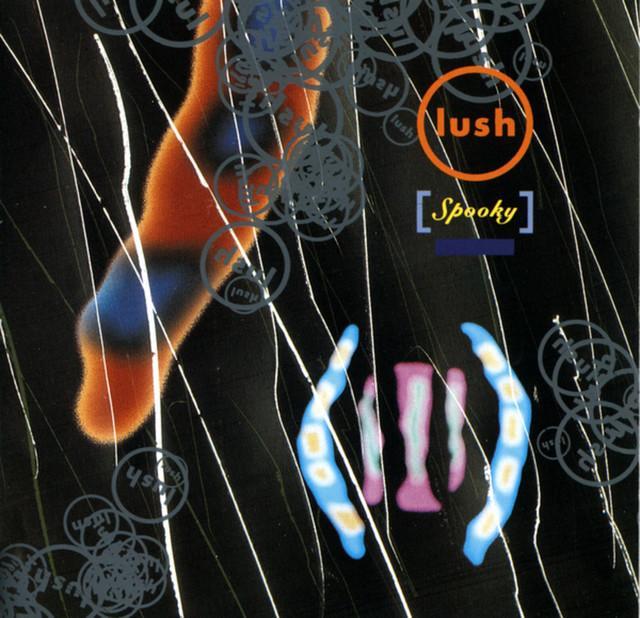
Released in 1991 as the lead track from Lush’s Black Spring EP, the song was written by Emma Anderson and produced by Robin Guthrie with the band. It later appeared on Spooky. In chart terms, it reached No. 43 in the UK and No. 22 on Billboard’s Alternative Airplay chart, proof that its shimmering sound carried real crossover pull.

Watch the official Nothing Natural
music video
At the Heart of the Song
The simplest reading is that the narrator is remembering a relationship that made them feel reborn, then wrecked them when it ended. Early lines describe life before the lover as clouded and chemically numb. After meeting them, the speaker feels awakened, almost remade.
That is why the praise in the refrain matters. When the song repeats you’re beautiful
, it is not casual admiration. It sounds closer to worship. The loved person becomes a source of identity, relief, and emotional meaning.
Interpretation: The title suggests that this level of attachment is not healthy or balanced. It is not “natural” in the ordinary sense. The relationship may be real, but the emotional intensity pushes it into obsession or idealization.
A Timeline of Love, Loss, and Aftershock
The song unfolds in a clear emotional order:
- Before the relationship, the speaker feels damaged and cut off.
- The lover arrives and seems to bring clarity and renewal.
- Separation follows, and the speaker cannot adjust.
- Memory keeps the absent person alive.
- The speaker survives, but in pain.
That middle turn is especially important. The line about missing someone like a child
makes the bond feel helpless and total. It implies innocence, dependence, and a need that cannot be reasoned away.
Later, the song shifts from longing to bodily pain. The speaker describes a lasting wound, using images of sharpness, turning, and pressure. This is grief felt physically, not just mentally.
This wretched life goes on
The knife inside of me
Those lines condense the song’s main shock: the world continues, but the speaker does not feel restored by time.
The Chorus Turns Beauty Into a Problem
In many breakup songs, beauty is remembered as something sweet. Here, beauty becomes dangerous because it is tied to power. The loved person is not just attractive; they reshape the speaker’s inner world.
When the song recalls the other person as only beautiful
, the phrase sounds double-edged. On one level, it is pure praise. On another, it hints that beauty was all the speaker could safely hold onto, even when the relationship itself failed.
Interpretation: This may be the song’s quiet critique of idealization. The speaker remembers the lover in glowing fragments, but those fragments may be part of the trap. Beauty remains, while the fuller person is gone.
Images That Carry the Meaning
Several recurring images deepen the song’s emotional story.
Light and blindness
The opening contrast between blindness and new sight frames love as revelation. But later, sunlight is not comforting. Morning comes too soon
, suggesting that ordinary life feels unbearable after intimacy has disappeared.
Body and vulnerability
The song repeatedly brings emotion into the body. The speaker feels small, fragile, and acted upon. This makes the grief seem involuntary, almost like an illness.
Seasons and memory
When the lyric notices seasonal beauty in the other person, memory turns them into part of nature. Yet the title argues against that easy merge. The feeling is vivid, but it is still unstable and painful.
How the Sound Makes the Words Hit Harder
Part of the meaning of Nothing Natural Lush lies in how it sounds. Lush were working in dream pop and shoegaze, and on Black Spring they expanded their palette with sequencers, sampled drum sounds, and heavy guitar effects, according to the 4AD release history and contemporary session accounts.
Robin Guthrie’s production gives the track a glowing surface: blurred guitars, airy harmonies, and a sense of motion that feels suspended rather than grounded. The drums were heavily processed, which is striking given drummer Chris Acland’s reported comment that the method did not seem “natural.” That detail fits the song uncannily. Even the rhythm section carries an artificial, displaced quality.
The result is emotional contrast. The arrangement feels lush and expansive, but the lyric is intimate and wounded. Instead of softening the pain, the beautiful production makes the loss feel more distant and ghostly, like the speaker is trapped inside a memory they cannot switch off.
Artist Context Matters Here
Emma Anderson was the sole writer of the song, and Black Spring marked a stronger turn toward her songwriting within Lush. Critics at the time noted that this material was lighter in attack than some earlier work, but still moody and emotionally charged. That balance defines “Nothing Natural”: it is melodically sweet, yet psychologically unsettled.
It also arrived at a moment when Lush were refining their identity beyond early shoegaze tags. The song’s popularity in both the UK and US showed how effectively they could pair texture with emotional precision.
Final Take on the Song’s Meaning
The meaning of Nothing Natural Lush is that love can feel like rescue while quietly becoming dependence. The song remembers a person who seemed to bring sight, breath, and beauty, but whose absence leaves the speaker stranded inside their own memory.
That is why the track still resonates. It understands that heartbreak is not always loud or angry. Sometimes it is dreamy, reverent, and devastating at the same time.
Disclaimer: This interpretation is based on the released lyrics, recording context, and documented history. As with many Lush songs, some ambiguity is part of the art, so other readings are possible.








