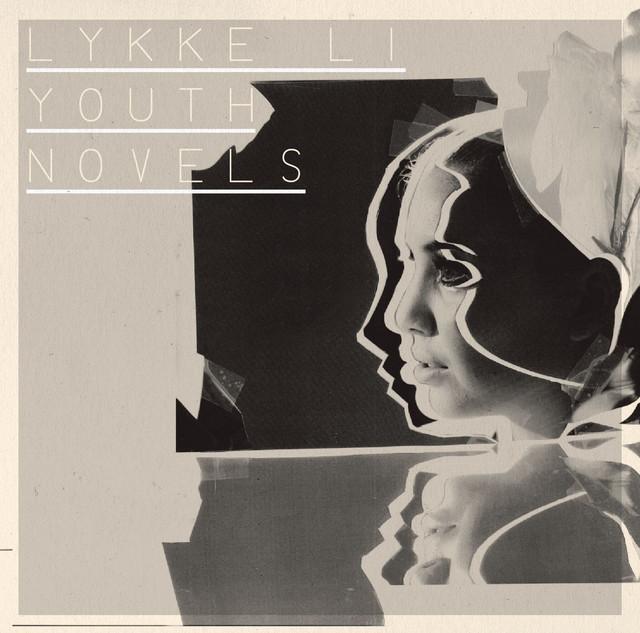
Breaking It Up by Lykke Li
Lykke Li’s “Breaking It Up” sounds light on the surface, but the feeling underneath is much harder. The track turns a breakup into a fast, nervous confession. Instead of describing one dramatic ending, it captures the moment when someone already knows the relationship is over and keeps talking anyway.
"Breaking It Up" - Lykke Li
If you're crossing the street I might be there
If you're going abroad I can't help you
Loading lyrics...
Unable to load lyrics
We're unable to display the lyrics at this time. Please try again later.
For listeners searching for the meaning of Breaking It Up Lykke Li, the core idea is simple: this is a song about emotional hesitation, guilt, and the strange space between staying and leaving. The narrator still uses terms of affection, still shows up in small ways, but cannot offer real commitment.
The Real Heart of the Song
At its center, “Breaking It Up” is about ending a relationship before it has fully collapsed in public. The narrator sees the truth early. They know waiting will only make things worse.
That is why the song keeps returning to urgency. When Lykke Li sings ideas like give me the reason to stay
, the line does not sound hopeful. It sounds like someone asking for a last excuse, already expecting none will come.
Interpretation: the song is less about anger than emotional clarity. The breakup hurts, but the bigger pain may be dishonesty. The narrator knows they are half-present and does not want to fake a love they cannot fully give.

Watch the official Breaking It Up
music video
A Relationship Reduced to Distance
One of the song’s smartest images is the contrast between small closeness and big separation. The repeated lines about being present for something nearby, but not for a bigger journey, suggest limits in love.
When the song says crossing the street
versus going abroad
, it sketches a bond that can survive tiny, everyday contact but not a shared future. That image makes the whole song click. This person might help in the moment, but they cannot go the distance.
That is what gives the track its sting. The narrator is not cold enough to disappear, yet not committed enough to stay. They are emotionally available only in fragments.
The Chorus Turns Doubt Into Action
The title phrase, breaking it up
, lands like a decision repeated until it feels real. The chorus does not build toward romance. It cuts romance short.
There is also a key idea in before it's on
. The relationship may still exist on the outside, but inwardly it is already ending. Then the song sharpens that thought with it's already gone
. In plain terms, the breakup starts before the official breakup.
This is what makes the chorus memorable. It is not only about leaving someone. It is about admitting that the emotional exit has already happened.
Before it's on
It's already gone
Those brief lines sum up the song’s logic: the narrator is acting now because the real connection has already faded.
Guilt, Mixed Signals, and Self-Exposure
The most revealing section may be the verse where the narrator admits they still say affectionate things and keep the other person close, even while knowing the relationship is done. That confession matters because it strips away any easy hero-villain reading.
The song even includes the odd phrase I didn't mean to fraud
, which sounds awkward but effective. Whether listeners hear it as clumsy wording, translation-like phrasing, or a deliberate jolt, the point is clear: the narrator feels they have misled someone.
Interpretation: this is a song about emotional fraud in the everyday sense, not manipulation as a grand plan. The speaker may be trying to soften the blow, but in doing so they create more confusion. They call someone “baby,” stay near, and delay the truth. That delay becomes its own kind of betrayal.
How Lykke Li’s Style Deepens the Meaning
“Breaking It Up” appeared on Lykke Li’s debut album, Youth Novels, released in 2008. That record helped introduce her mix of indie pop, dream pop, and electronic textures to a wider audience. The album was written during an early period of her career and was shaped in part by a past relationship, according to biographical summaries and album history.
The song was written by Lykke Li Zachrisson and Björn Yttling, with Yttling also central to the debut album’s sound. That matters because the production does not treat heartbreak as slow and grand. Instead, it feels restless.
Bright Sound, Unhappy Message
The arrangement gives the track a skipping, almost playful motion. The beat moves quickly. The melody circles and repeats. The vocals feel airy, but the lyrics keep tightening.
That contrast is important to the meaning of Breaking It Up Lykke Li. The bright indie-pop surface mirrors the narrator’s half-light behavior: smiling while pulling away, staying in touch while emotionally leaving. The sound is catchy, but the content is uncomfortable.
This split between tone and message became part of Lykke Li’s early appeal. Her songs often paired sweetness with ache, making difficult feelings easier to approach. In “Breaking It Up,” that method works especially well because the song is about mixed signals in the first place.
Why the Song Still Connects
Many breakup songs focus on what happened after the end. “Breaking It Up” focuses on the uneasy minute before the final cut. That is a common experience, even if people do not always say it out loud.
Listeners may connect to three truths here:
- love can fade before anyone admits it
- staying soft can still cause harm
- honesty often arrives later than it should
That emotional honesty is likely why Lykke Li’s early work earned strong critical attention and helped establish her career in both Europe and the U.S., as noted in coverage of her debut album.
Final Take on Its Message
In the end, “Breaking It Up” is about knowing a relationship cannot last and struggling with the guilt of saying so. It turns small images, repeated phrases, and buoyant production into a portrait of emotional withdrawal.
The song’s message is not that breaking up is easy. It is that sometimes the hardest part is admitting the heart has already left.
Disclaimer: This article offers an informed interpretation of the song based on the lyrics, available credits, and artist context. As with any song, listeners may hear different meanings.







