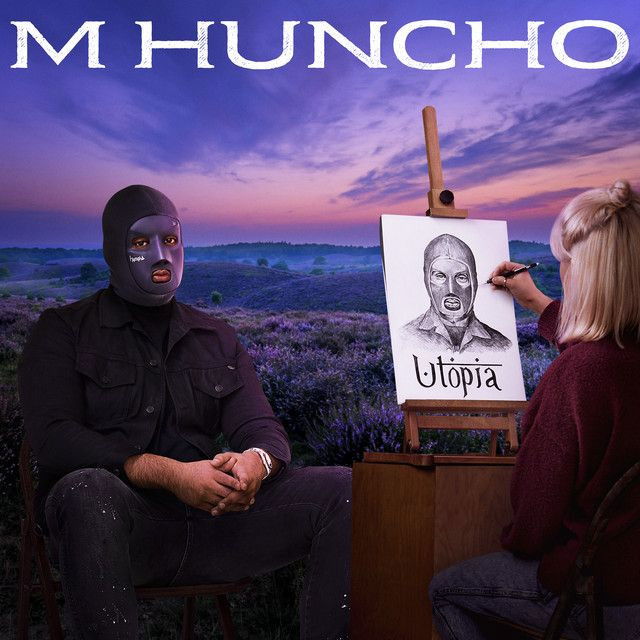
Tranquility by M Huncho
M Huncho’s “Tranquility” sounds calm on the surface, but the song itself is tense. The hook reaches for peace, honesty, and emotional clarity, while the verses show a life that makes those things hard to hold onto. That contrast is the key to the meaning of Tranquility M Huncho: it is a song about wanting inner peace while living inside pressure, danger, money hunger, and unresolved pain.
"Tranquility" - M Huncho
Tranquility, yeah, that's all I need, yeah
Transparency, yeah, is all I see, yeah
Loading lyrics...
Unable to load lyrics
We're unable to display the lyrics at this time. Please try again later.
M Huncho, the North West London rapper and singer, built his name through melodic trap and a masked persona, later earning major chart success with projects like Utopia and several certified tracks. “Tranquility” itself was later listed as BPI Silver-certified in his discography, which helps explain why fans still return to it. The song captures a core part of his appeal: melody used not for softness alone, but for emotional survival.
Peace Is the Goal, Not the Reality
The chorus gives the song its mission statement. When they repeat tranquility
and pair it with transparency
, the track frames peace and honesty as basic needs, not luxuries. The speaker is not flexing in the hook. They are asking for relief.
That matters because the verses immediately complicate the wish. The life being described is full of transactions, suspicion, and mental strain. Even when money, women, or status appear, the song keeps undercutting them. At one point, fame is dismissed as something that stops mattering once the cameras go off. In plain terms, public success does not fix private stress.
Interpretation: the song treats tranquility as something almost spiritual. It is not just silence or comfort. It means being able to live without constantly scanning for threats, debts, or emotional fallout.

Watch the official Tranquility
music video
The Verse Turns Daily Life Into Pressure
One of the most revealing lines is trap instrumental
. They say they are pouring their heart out over that backdrop, which tells listeners exactly what the song is doing. This is confession delivered through street rap, not a separate diary entry.
The next emotional clue comes when they admit their past hurt fucked up my mental
. That blunt phrase gives the track its center of gravity. The song is not only about hustling; it is about what hustling, grief, and exposure have done to the mind.
From there, the verse stacks up restless details:
- food orders and casual habits
- fees, spending, and constant earning
- watching over their shoulder
- circling the block before sleep
- grief for lost friends
- family responsibility
These details make the writing feel lived-in. Instead of abstract trauma, the song shows a nervous system trained by the street. The speaker cannot simply switch off.
Why Money Never Feels Like Peace
A major theme in the meaning of Tranquility M Huncho is the gap between wealth and safety. The verse is full of movement: making money, paying costs, chasing millions, staying awake, feeding family. But each gain comes with another burden.
When they say the family has to eat, ambition stops sounding selfish. It becomes duty. That adds weight to all the lines about sleeplessness and repetition. Money is not framed as greed, even though greed is mentioned. It is framed as survival mixed with responsibility.
Interpretation: this is why the song feels sad even when it boasts. The flexes do not create freedom. They often sound like proof that the grind is still in control.
A Hook That Sounds Like a Plea
The repeated chorus works because it keeps interrupting the harder details with a simple wish. The listener hears violence, policing, paranoia, and grief in the verses, then returns to a chant for calm. That structure creates emotional whiplash on purpose.
A ship is safe in a harbor,
that's not what ships are for
This is the song’s one big philosophical statement. In context, it means safety alone is not a real option. The speaker seems to believe they were made to move, risk, and provide, even if that life keeps them exposed.
That idea deepens the chorus. They want peace, but they do not imagine escaping life entirely. They want a stable center while still living in motion.
The Most Painful Part Is Under the Surface
Near the end, the song becomes more openly mournful. They mention a younger brother, a shooting around someone close, and friends lost in the past year. Those lines are brief, but they change the whole track. Suddenly the earlier vigilance makes even more sense.
This is where M Huncho’s writing is effective. He rarely stops the song for a long speech about pain. Instead, he drops hard facts into the flow and lets the emotional shock spread backward across everything else.
A line like not at peace
becomes more than a mood. It becomes a summary of grief, survivor’s guilt, and unfinished danger.
How the Production Carries the Meaning
The beat tag credits Isaac Earl Bynum, and the production leans into modern trap language: steady drums, moody space, and a loop that leaves room for melody. That matters because M Huncho often works in a zone between rapping and singing, letting his voice blur toughness and vulnerability.
On “Tranquility,” the instrumental does not overpower the confession. It supports it. The trap beat keeps the song grounded in street reality, while the melodic delivery suggests emotional fatigue and longing. That balance is central to why the song lands.
For artist context, M Huncho is widely associated with British hip hop and trap, and his catalog often mixes flexes with reflective writing, as noted in his career overview on Wikipedia. “Tranquility” fits that pattern especially well.
Final Take on the Song’s Message
In the end, the meaning of Tranquility M Huncho is about the difference between outer motion and inner rest. The speaker can earn, move, protect, and endure, but none of that guarantees calm. The song’s emotional force comes from hearing someone chase peace while knowing the world around them is built to interrupt it.
That is why “Tranquility” feels honest. It is not a victory anthem. It is a survival song dressed in trap form.
Disclaimer: This interpretation is based on the lyrics, performance, and available public context. As with any song, listeners may hear meanings that differ from this reading.









