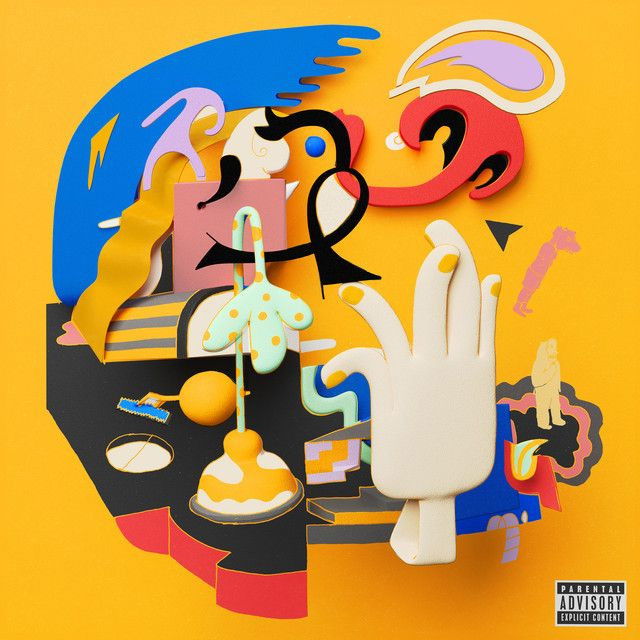
Angel Dust by Mac Miller
A dizzy song with a serious center
The meaning of Angel Dust Mac Miller starts with a contradiction: the song sounds playful at times, but its world is messy, unstable, and dangerous. Released on GO:OD AM, the track sits in a period when Mac Miller was balancing technical confidence with deeper chaos in his writing. They use jokes, surreal images, and sharp rap writing to describe a mind that is overstimulated and wearing down.
"Angel Dust" - Mac Miller
Yeah, um
Uh
Loading lyrics...
Unable to load lyrics
We're unable to display the lyrics at this time. Please try again later.
At the most basic level, the song is about intoxication and escape. But it is not a simple party record. Even when the hook sounds inviting, the verses show a person drifting through exhaustion, paranoia, sickness, and loss of control. That tension is what gives the song its bite.

Watch the official Angel Dust
music video
Behind the wild imagery, what is the song about?
A good way to read the song is as a portrait of someone trying to turn self-destruction into comedy. They throw out bizarre details, pop-culture references, and punchlines so fast that the listener almost misses how bleak the scenes are. Early on, they describe being unable to sleep and mentally overloaded, then jump into images of physical collapse and confusion.
That is why the chorus matters so much. When the voice says just a little angel dust
, the phrase sounds casual, almost harmless. But the verses have already shown the opposite. The song uses understatement as irony: the drug is presented as small and manageable while everything around it suggests the damage is real.
Interpretation: the title and chorus are not celebrating control. They are mocking the false idea that a person can stay on top of dangerous habits forever.
The narrator sounds fearless, but they do not sound safe
Mac Miller raps in first person, but the emotional effect is more layered than a plain confession. They sound boastful in one moment and wrecked in the next. That split is key to the meaning of Angel Dust Mac Miller.
Lines about an execution flow
or being in someone’s head like a horror villain show technical swagger. They still want to dominate the track. But that confidence keeps crashing into signs of breakdown, like haven't slept in days
and waking up sick in public. The performance suggests a person who can still rap brilliantly while falling apart.
This mix of control and collapse fits Mac Miller’s broader mid-2010s work, when his music often paired dense bars with darker inner monologue. In a Billboard interview, they described wanting to make music that felt alive and honest after a difficult stretch. That context helps explain why the song sounds both energized and alarming.
How the verses build a spiral
Scene one: blocked, sleepless, cornered
The opening creates pressure right away. Writer’s block, no sleep, and people fearing what might happen in the studio all point to a mind that cannot slow down. They are not simply stuck; they are spiraling.
Scene two: the body gives out
Then the song gets uglier. They describe waking up ruined, surrounded by evidence of excess, with their body dehydrated and their perception distorted. The image of being lost in a matrix suggests dissociation, like reality itself has become unreliable.
Scene three: humor as a mask
The second verse becomes more cartoonish. Random food details, weird side characters, and absurd mini-stories keep the tone loose. But that looseness is part of the design. The jokes distract from the emptiness underneath.
Please don't fuck with the angel dust
It's just a little angel dust
That brief switch near the end is crucial. The song stops winking for a second and turns almost blunt. After spending most of the track acting casual, they finally admit the substance is not harmless.
Why the hook sounds sweet and unsettling
The hook is catchy, almost sing-song, which makes it more disturbing. The melody creates a floating feeling, as if the listener is being lulled into a false sense of ease. The repeated questions, including What are you afraid of?
, work like peer pressure. They dare the listener to ignore danger.
Interpretation: the chorus may be voiced as temptation itself. Instead of a stable narrator speaking wisely, the hook can sound like the seductive logic of getting high: come along, stop worrying, this will feel freeing. That reading fits the contrast between the breezy refrain and the wreckage in the verses.
How the production reinforces the meaning
Production matters a lot here. The beat has a woozy, off-center feel that mirrors the lyrics. It moves with bounce, but it never sounds fully comfortable. The drums knock hard enough to keep the rap performance sharp, while the surrounding textures feel hazy and slippery.
That contrast supports the song’s central idea. Mac Miller’s delivery is locked in rhythmically, yet the musical atmosphere feels chemically warped. The result is a track where skill and instability exist together. They can still rap at a high level, but the world around the vocal sounds like it is tilting.
This also helps explain why listeners often remember the song as both funny and disturbing. The production invites motion; the details warn against it.
The bigger message in Mac Miller’s catalog
Within GO:OD AM, “Angel Dust” stands out as one of the album’s darker flashes of humor. The record often deals with survival, relapse, ambition, and trying to wake up from destructive cycles. This song compresses those themes into one manic burst.
The meaning of Angel Dust Mac Miller, then, is not just about one drug reference. It is about denial, performance, and the strange way pain can be packaged as entertainment. They turn crisis into punchlines, but the song does not let the listener forget the cost.
Final takeaway
“Angel Dust” works because it refuses to stay in one emotional lane. It is witty, catchy, gross, scary, and technically impressive all at once. That blend is the point: the song captures how dangerous behavior can feel exciting while still leaving wreckage behind.
This article offers an interpretation based on the lyrics, recording context, and publicly available sources. Like most great songs, “Angel Dust” can support more than one reading.








