Why Mac Miller’s “Smile Back” Hits So Hard
Mac Miller’s “Smile Back” is loud, rude, funny, and built to provoke. But the meaning of Smile Back Mac Miller goes deeper than simple trash talk. On the surface, it is an anti-hater anthem. Under that surface, it is a young artist trying to turn criticism into fuel while proving that success has not made them softer.
"Smile Back" - Mac Miller
You can't get nothin' from me
You was talkin shit, now I'm somebody you would love to be
Loading lyrics...
Unable to load lyrics
We're unable to display the lyrics at this time. Please try again later.
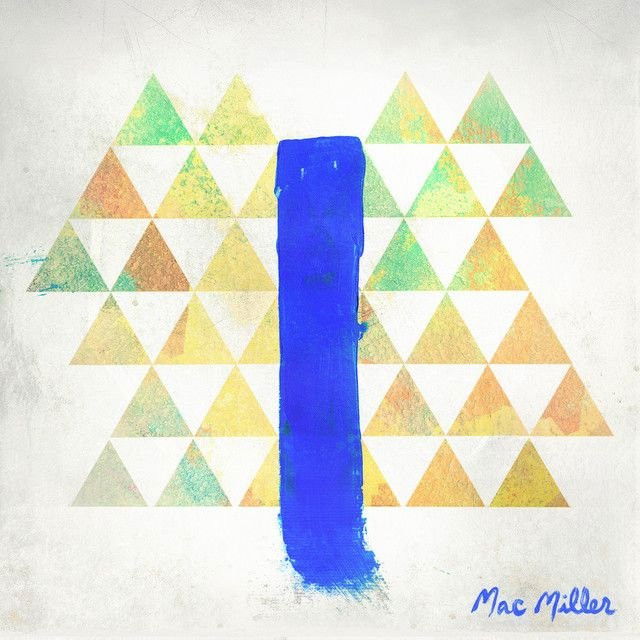
Released on Blue Slide Park in 2011, the song stood out enough to reach No. 55 on the Billboard Hot 100 despite not being pushed as an official single, according to Songfacts. That chart move matters because it shows how strongly listeners connected with its blunt energy.
More Than an Insult Track
The basic message is simple: critics can stare, judge, and talk, but they still cannot stop the momentum. When Mac repeats smile back
, they are not offering kindness. They are describing a cool, almost mocking response to pressure. Instead of breaking, the speaker grins and keeps moving.
That makes the hook the key to the whole song. The phrase turns anger into posture. Rather than sounding wounded by criticism, the narrator acts as if hate only confirms their rise.
Interpretation: the song is about emotional defense as much as confidence. The smile is not warmth. It is armor.

Watch the official Smile Back
music video
The Voice of a Young Star Under Fire
The verses come from a first-person speaker who sounds newly successful, restless, and very aware of who doubted them. Early lines frame the conflict in direct terms, including you can’t get nothin’ from me
. In plain language, they are setting boundaries. The people who insulted them before do not get access now that fame has arrived.
Another important line is you would love to be
. That phrase flips the old power dynamic. The doubters once looked down on them; now the song suggests those same people envy the life they mocked.
This is where the track captures a very specific early Mac Miller tension. Around the Blue Slide Park era, they were becoming bigger, richer, and more visible, but also more criticized. “Smile Back” answers that pressure with swagger instead of self-pity.
How the Chorus Turns Anger Into Momentum
The chorus is repetitive on purpose. It circles the same feeling until it becomes a chant. The line about doing their thing until the reaper come for me
pushes that feeling even further. It is not just about one bad review or one jealous person. It is about total commitment.
That gives the song its force. The speaker is not saying they will prove people wrong once. They are saying the mission continues for life.
You was talkin’ shit
now I’m somebody
you would love to be
Those short lines summarize the emotional arc: rejection first, status second, revenge through success last. Even when the wording is crude, the structure is clear.
Brag Rap With a Purpose
A lot of the verses are made of boasts: money, style, speed, talent, city pride, and independence. In weaker songs, that kind of flexing can feel empty. Here, it serves a theme.
Mac keeps listing achievements because the song is trying to win an argument. Every brag is evidence in that argument. Claims about being self-made, outworking others, and moving too fast to catch all support the central idea that criticism no longer matters.
There is also a local layer. When the song shouts out Pittsburgh and the Most Dope crew, it expands beyond individual ego. They are not only defending themselves. They are defending their circle, their city, and the world they came from.
Why the Production Matters
The beat, credited in the lyrics to Jerm, helps explain why “Smile Back” lands so hard. The production is heavy, sharp, and built for impact rather than reflection. It does not leave much empty space. That dense sound mirrors the song’s emotional approach: hit back fast, stay loud, never look hesitant.
The instrumental also gives the chorus a rallying feel. Instead of sounding like private frustration, the track feels public and performative. That matches Mac’s own explanation. In a brief quote shared by Songfacts from Billboard, they said “Smile Back” was their chance to say an angry f--k you
and let off stress. That context helps because it confirms the song was meant as release, not careful diplomacy.
Confidence, Deflection, and the Mask of Humor
One reason the meaning of Smile Back Mac Miller still works is that the song can be read two ways at once.
Interpretation 1: it is a victory lap. In this reading, the track is pure celebration. The critics lost, the artist won, and the grin is genuine.
Interpretation 2: it is a defense mechanism. In this reading, the aggression hints that criticism did get under their skin. The song sounds so forceful because it is trying to shut down doubt before doubt grows louder.
Both readings can be true. Mac often mixed humor, bravado, and vulnerability in the same era. “Smile Back” leans hard on the first two, but the need to do that so loudly suggests the third is still nearby.
What the Song Ultimately Says
At its core, “Smile Back” is about refusing humiliation. It takes jealousy, disrespect, and public judgment and turns them into a performance of confidence. The song’s message is not subtle, but that is part of why it works. It gives anger a beat, a hook, and a grin.
For listeners, that is the lasting appeal. “Smile Back” captures the moment when success stops feeling purely fun and starts feeling contested. Mac Miller answers that tension by refusing to look shaken.
That is the clearest meaning of Smile Back Mac Miller: when the world stares hard, they stare right back.
Disclaimer: This interpretation is based on the lyrics, credited context, and public reporting. As with most songs, different listeners may hear different meanings.








