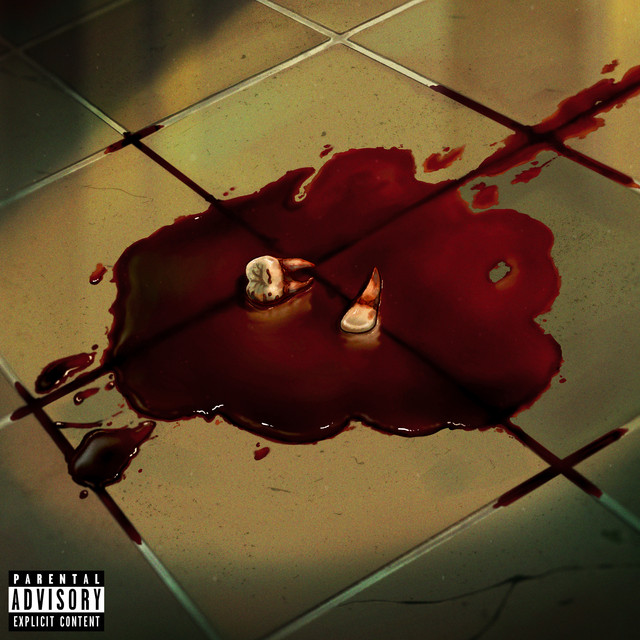
Inside ‘DAYWALKER!’ by Machine Gun Kelly, CORPSE
They pack two minutes of pure adrenaline into a revenge fantasy that feels uncomfortably real. This guide breaks down the meaning of DAYWALKER! Machine Gun Kelly, CORPSE, and why the track’s fury hits harder than shock value alone.
"DAYWALKER!" - Machine Gun Kelly, CORPSE
You hated what he said, right? Beat his ass, leave him at the stoplight
I know you wanted change
Loading lyrics...
Unable to load lyrics
We're unable to display the lyrics at this time. Please try again later.
What This Monster Is Really Saying
At face value, the song spits violent payback scenarios. Underneath, it’s about managing rage before it manages you. The narrators boast, flinch, and confess—often in the same breath—hinting that the scariest fights happen inside their heads.
Interpretation: The song dramatizes that inner tug-of-war. Lines like There’s an invisible voice
and blackout when I’m ragin’
suggest intrusive thoughts and loss of control. The tough talk is armor; the repetition is a spell to keep the lid on.
Watch the official DAYWALKER!
music video
Two Voices, One Fury
MGK’s verses spark the brawl with taunts and threats, while CORPSE drops into a subterranean growl that sounds like the rage whispering back. The recurring question—will you keep it?
—turns the listener into a confidant, pulling them into the secret pact to bottle (or unleash) anger.
Fact: Released March 12, 2021, the single pairs trap metal with techno‑punk textures and was produced by Machine Gun Kelly with BazeXX and SlimXX. Reviewers called CORPSE’s delivery rumbling and “rage‑whispered,” while MGK’s yells push the track into a mosh‑pit stomp.
A Night of Escalation
- Ambush:
They tried to kill me in the rain
sets off the revenge spiral. - Aftermath: Sirens, blood, and broken teeth mark the cost of lashing out.
- Descent: Pills go from coping to crutch as they confess a growing blur between thoughts and reality.
- Flashpoint: A nod to riot imagery frames how personal anger can tip into collective chaos.
Interpretation: The timeline reads like a panic loop—trigger, surge, numbness, regret—rather than a heroic victory.
The Chant That Weaponizes Tension
Fight, fight, fight, fight
Fight, fight, fight, fight
Fight, fight, fight, fight
Fight, fight
The hook is as blunt as a fist. Emotionally, it’s a pressure valve. By reducing language to a single word, the chorus mimics tunnel vision during adrenaline spikes—pure impulse, no nuance. It’s catchy on purpose, which is also the warning.
Symbols That Cut Deeper
- Rain: Cleansing meets ambush; the world turns hostile without warning.
- Razorblades and blood: Edges everywhere—both self‑harm and outward harm, blurring which hurts more.
- Teeth/mouths: Power of speech as violence; breaking teeth equals silencing.
- The “apple” and “snakes”: A temptation/betrayal shorthand, guilt baked into the rage narrative.
- Time:
I’m on borrowed time
casts each outburst as another step toward consequence.
Interpretation: These images aren’t instructive; they’re horror‑core stage props to picture mental stress in hard outlines.
How The Sound Makes The Hit Land
The production leans on distorted 808s, overdriven bass, and clipped, almost techno‑punk kick patterns. MGK’s higher, shredded shouts cut atop CORPSE’s sub‑bass register, creating a two‑layered “angel/devil” effect. The mix, handled by Fabian Marasciullo, keeps vocals unnervingly up‑front, so every breath and consonant feels like a shove.
Critics described the verses as “vampiric” and “bloodthirsty.” That fits the sonic palette: metallic highs, cavernous lows, and near‑constant forward motion. At just 2:17, the track never gives the nervous system a chance to reset.
Title, Video, Charts: The Real‑World Frame
A “daywalker” is a vampire that survives sunlight; the term never appears in the lyrics, but the title brands the song’s mood: a monster that refuses to hide. The video, co‑directed by MGK and Sam Cahill, famously features streamer Valkyrae portraying CORPSE, turning anonymity into a visual flex.
Despite censorship hurdles, the single reached No. 88 on the Billboard Hot 100 and No. 53 in the UK, and it became CORPSE’s first Hot 100 entry. That crossover matters: a YouTuber’s horror persona and a pop‑punk star met in the trap‑metal lane and found mainstream lift.
Alternate Readings Worth Considering
- Vigilante fantasy: A cartoonishly violent revenge tale that’s not meant to be literal.
- Anxiety portrait: The fight is internal—about public pressure, impulse control, and the fear of snapping.
- Substance spiral: Pills and blackout imagery hint the real enemy is self‑medication.
Interpretation: All three can be true at once. The ambiguity is part of the design; it lets fans mirror their own battles onto the noise.
Takeaway
DAYWALKER! turns fury into theater and theater into a coping ritual. That’s why it resonates: it’s not asking listeners to fight—it’s showing what the urge to fight sounds like when it takes over.
Disclaimer: This analysis reflects one informed interpretation of themes, production, and context; individual meanings may vary.









