Why 'FLOOR 13' Is MGK at War With His Image
The simplest way to hear the song
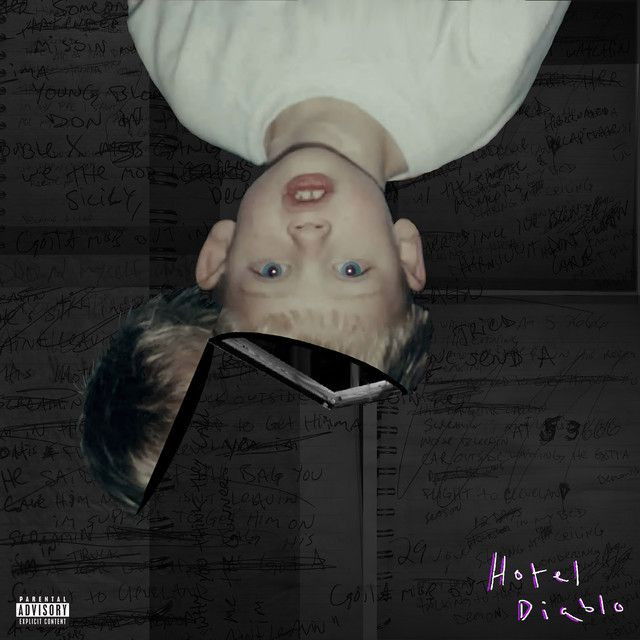
The meaning of FLOOR 13 Machine Gun Kelly starts with pressure. On Hotel Diablo, they turn public backlash into a hard, angry performance of survival. Factually, the song is the seventh track on the 2019 album and was released with the record on July 5, 2019, according to Wikipedia.
"FLOOR 13" - Machine Gun Kelly
I just spent too many minutes
Watching little videos of shitty wannabe rappers dissing me
Loading lyrics...
Unable to load lyrics
We're unable to display the lyrics at this time. Please try again later.
The track is not subtle. They answer critics, flex their success, and bring up old threats and grudges. But beneath the bragging, there is another layer: they sound exhausted by being watched, judged, and provoked all the time.
Watch the official FLOOR 13
music video
A title that feels like bad luck and no escape
“Floor 13” is a loaded image. In American culture, the 13th floor often suggests danger, superstition, or a place people would rather skip. Interpretation: MGK uses that idea as a symbol for a mental space where there is no safe middle ground.
That is why the hook matters so much. When they say no in between
, they frame the song as all-or-nothing. They are either under attack or striking back. There is no calm public version of themselves here.
The title also fits Hotel Diablo as an album concept. The record presents fame as a haunted building full of paranoia, vice, and self-destruction. “Floor 13” feels like one of its most aggressive rooms.
The verses turn online hate into physical threat
A big part of the song is about criticism that no longer feels like just criticism. Early on, they describe wasting time watching people attack them online, then connect that to the aftermath of a so-called kill shot
. That phrase strongly points listeners toward the Eminem feud of 2018, though reference pages usually note it is not formally confirmed line by line; Wikipedia and Songfacts both connect the song to that feud.
What matters for meaning is the emotional jump. They move from blogs and diss videos to real-world violence, robbery memories, and revenge fantasies. In other words, the song says that celebrity conflict does not stay on a screen. It invades daily life and identity.
That helps explain why the performance is so intense. They are not simply defending rap skills. They are defending pride, family, city, and reputation all at once.
Cleveland, family, and ego all get pulled in
They keep tying personal history to public conflict. References to Cleveland and older survival stories make them sound like someone who believes they were tested long before fame. That turns the song into more than a response track. It becomes a statement that their aggression is learned, not staged.
One of the sharpest moments involves their daughter. Rather than using it for sentiment, they use it to show how far the backlash reaches. Even a child hears the noise around their name. Interpretation: this detail makes the anger feel less performative and more defensive.
There is also a recurring MGK move here: mixing insecurity and swagger in the same breath. They boast about sales, films, and status, but those flexes come right after complaints about blogs and critics. That contrast suggests they still feel cornered despite visible success.
What the chorus says about self-destruction
The chorus is where the song becomes darker than a standard diss record. They describe drugs, weapons, and violence in a blunt, cold way, then pivot to eerie lines like I see me when I look at you
and I never die, I multiply
.
I see me when I look at you
I never die, I multiply
Paraphrased, the idea is that enemies are mirrors. Interpretation: the people they hate may reflect parts of themselves: ego, rage, addiction, and self-sabotage. That reading gives “Floor 13” more depth than pure chest-thumping.
The final phrase about the funeral pushes that idea further. It suggests reinvention through destruction. If one version of MGK is attacked, another one appears. That is a theme that would later matter even more in their genre shifts after Hotel Diablo.
The production sounds like an alarm going off
The song was produced by BazeXX, SlimXX, Chris Malloy Jr., and JP Did This 1, according to Wikipedia. The beat is harsh, narrow, and pounding. Instead of giving them space to reflect, it keeps boxing them in.
That production choice is important to the meaning of FLOOR 13 Machine Gun Kelly. The drums hit like confrontation. The dark synths and heavy low end create a feeling of being trapped in a hallway with danger on both sides. Their delivery matches it: clipped, confrontational, and full of sudden emphasis.
Even the hook feels less melodic than ritualistic. It sounds like they are repeating a code to survive their own chaos.
Is this really about Eminem, or something wider?
Listeners often focus on the feud angle because of the kill shot
reference and the timeline around Rap Devil and “Killshot.” That is a fair reading, and outside sources frequently mention it, including Songfacts.
But the song works better when heard more broadly. Interpretation: it is about what happens after a public humiliation cycle begins. Once a rapper becomes a target for reaction videos, articles, memes, and rivals, every insult starts to blend together. The enemy becomes both specific and everywhere.
That is why “Floor 13” still lands. It captures the feeling of living inside conflict until conflict becomes personality.
Why the song matters on Hotel Diablo
On the album, this track acts like a burst of pure defense. Other songs on Hotel Diablo show guilt, depression, addiction, and loneliness. “Floor 13” turns those same pressures outward.
So the song is not just saying, “They can beat anyone in a feud.” It is saying they have built an identity around surviving attack, even if that identity is dangerous. That makes the track both thrilling and uneasy.
In the end, the meaning of FLOOR 13 Machine Gun Kelly is about fame as a cursed floor in a dark hotel: a place where pride, paranoia, and pain all share one room.
Disclaimer: This article offers a critical interpretation based on the lyrics, publicly available credits, and documented context. Meanings can vary by listener, and only the artist knows every intention behind the song.









