Why Mad’House’s “Holiday” Still Feels Like Escape
Mad’House’s version of “Holiday” is easy to hear as a bright dance track, but the meaning of Holiday (radio edit) Mad’House goes a little deeper than simple party music. At its core, the song imagines a pause button for everyday stress. It asks what might happen if people stopped fighting, stopped carrying every burden, and chose joy together for even one day.
"Holiday (radio edit)" - Mad’House
[Chorus:]
If we took a holiday
Loading lyrics...
Unable to load lyrics
We're unable to display the lyrics at this time. Please try again later.
Because the words are simple and repetitive, the message lands fast. This is not a story song with characters and plot twists. Instead, it works like an anthem. It turns celebration into a social idea, not just a private mood.
A Pop Invitation With a Bigger Message
The basic idea is clear from the chorus: taking a break is not laziness, but emotional survival. When the song says took some time to celebrate
, it frames celebration as something people need, not something they merely earn after suffering.
That matters because the lyric keeps moving from the individual to the collective. It is not only about one person needing rest. It is about everyone. Phrases like all across the world
and in every nation
widen the song from a personal wish into a vision of unity.
Interpretation: the track suggests that joy can be healing when it is shared. A holiday becomes a symbol for peace, release, and human connection.

Watch the official Holiday (radio edit)
music video
What the Chorus Is Really Doing
The chorus is the engine of the song’s meaning. It repeats the dream of one day away from pressure and keeps returning to the hope that it would be so nice
. That line sounds small, almost casual, but it carries the emotional weight of the track.
Instead of making a grand political argument, the song uses ordinary language. That is part of why it works. It does not lecture. It imagines relief in simple terms: less stress, more love, more togetherness.
Forget about the bad times
One day to come together
Those lines condense the song’s message. First, it asks listeners to set down pain for a moment. Then it offers togetherness as the answer. The song does not claim one day will solve everything. It suggests one day of unity could reset people emotionally.
From Pressure to Release
One of the strongest ideas in the lyric is pressure. The song directly says people need a day to release the pressure
. That phrase gives the track more substance than its bubbly surface first suggests.
Pressure can mean many things: work, conflict, sadness, social tension, or daily exhaustion. The lyric stays broad on purpose. That openness lets many listeners fit their own lives into the song.
Interpretation: this is why the song has lasted as a feel-good anthem. It offers a fantasy that is easy to personalize. For one person, “holiday” might mean emotional rest. For another, it might mean community, dancing, or freedom from routine.
Mad’House Context Changes the Feel
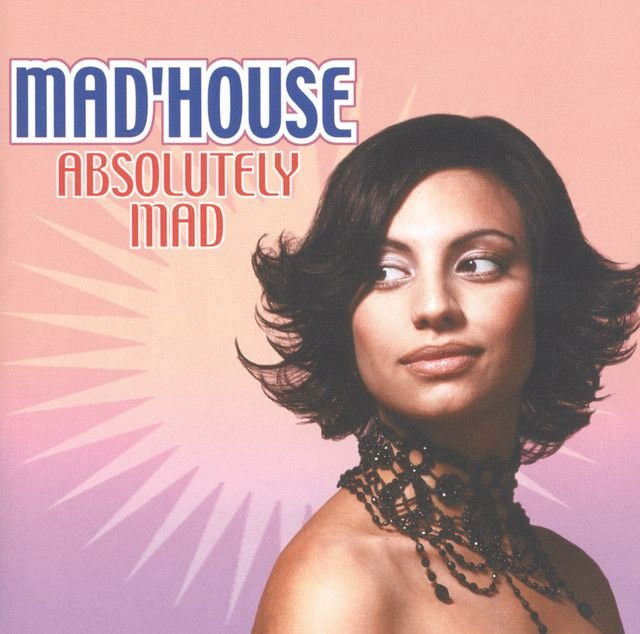
Mad’House were a European dance-pop act known for energetic covers linked to early-2000s club culture, including tracks from the album Absolutely Mad. That context matters when discussing the meaning of Holiday (radio edit) Mad’House.
Their version is not built like a quiet reflection. It is designed to move. The beat is more urgent, the production is glossy, and the vocals are pushed toward excitement. In other words, Mad’House take a song about relief and turn it into an event.
That shift changes the emotional texture. In this version, escape is not peaceful first. It is physical. Listeners feel it through pulse, rhythm, and repetition before they fully think about the words.
How the Production Supports the Theme
The radio edit format matters too. A radio edit usually trims excess and sharpens hooks. Here, that helps the central idea because the song becomes even more immediate. There is little space for introspection. The track keeps driving forward, as if celebration itself is urgent.
The production leans on bright synths, a steady four-on-the-floor beat, and stacked vocals that make the chorus sound communal rather than solitary. Those choices support the lyric’s focus on mass participation. Even without hearing every word, listeners can sense a crowd-minded feeling.
This is where form and meaning line up well:
- The repetitive hook mirrors the wish for shared ritual.
- The dance beat turns “celebration” into action.
- The group-style vocal energy reinforces unity.
A Cover With Cultural Baggage
Mad’House are best understood in the shadow of Madonna’s original “Holiday,” a song long associated with carefree pop freedom; even Britannica’s Madonna overview notes how central upbeat dance-pop was to her rise. Mad’House’s cover borrows that familiar emotional frame, then pushes it into Eurodance territory.
That means some of the song’s meaning comes from recognition. Listeners may already connect “Holiday” with optimism and release. Mad’House amplify that memory through faster, club-ready production.
Factual note: the songwriting is credited to Curtis Hudson, Lisa Stevens, and others listed for this version. Interpretation: because the lyric is already universal, each remake lives or dies by tone. Mad’House choose exuberance over nuance.
Why the Song Still Connects
The song remains appealing because it speaks to a permanent wish: people want relief that does not require a complicated explanation. They want a moment when trouble can be put down, love can lead, and strangers can feel briefly aligned.
That is why the lyric about spreading the word matters. Celebration here is almost contagious. Joy is treated as something that can travel, not something that must stay private.
For many listeners, that makes the meaning of Holiday (radio edit) Mad’House both light and sincere. It is not deep in a poetic sense, but it is emotionally direct. It believes that togetherness can change the mood of a day, and maybe more than a day.
Final Take on Its Meaning
Mad’House’s “Holiday” is about collective relief. It imagines celebration as medicine for stress and division, then uses dance-pop production to make that idea feel immediate in the body as well as the mind.
Their version may sound simple, but its simplicity is the point. It offers a short, memorable argument: people need joy, and they need it together.
Disclaimer: This interpretation is based on the lyrics, recording context, and public credits. Meaning can vary by listener.








