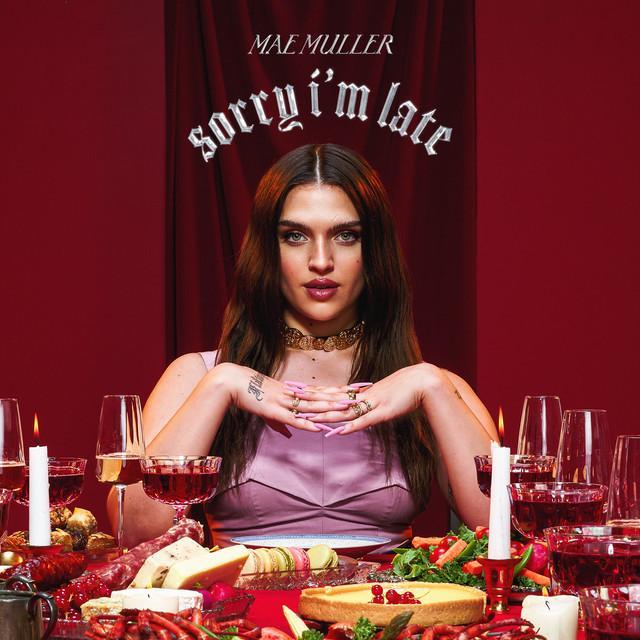
Why Mae Muller's Song Feels So Honest
The meaning of Porn Lied To Us Mae Muller comes down to one clear idea: intimacy has become tangled up with pressure, performance, and unrealistic expectations. Instead of treating sex as something natural, the song shows two people trying to live up to scripts that do not actually fit them.
"Porn Lied To Us" - Mae Muller
Maybe tonight just ain't the night
So can I leave it?
Loading lyrics...
Unable to load lyrics
We're unable to display the lyrics at this time. Please try again later.
Mae Muller approaches that topic with unusual directness. Rather than shaming desire, they separate healthy preference from fake pressure. That makes the song feel less like a rant and more like a conversation about how closeness can go wrong when people stop being present with each other.
A Pop Song About Taking Off the Mask
At the start, the narrator pulls back from a moment that is not working. They admit they are not feeling it and would rather stay still than force chemistry. That opening matters because it frames the song around honesty, not rejection.
The key emotional move is simple: instead of pretending, they speak. The line not feeling this
sets the tone for the whole track. It shows that consent and comfort are not side issues here; they are the center of the story.
From there, the song turns a private awkward moment into a bigger cultural point. The repeated hook porn lied to us
is not just there for shock value. It argues that media-fed ideas about sex have taught people to confuse intensity with intimacy.
Where the Pressure Comes From
The verses describe a room full of silence, tension, and self-awareness. Nothing dramatic happens on the surface, but emotionally, a lot is going on. They feel the need to hide, stay quiet, and avoid saying what is wrong.
That discomfort is summed up by the phrase keep it under covers
. On one level, it describes staying in bed and avoiding confrontation. On another, it suggests secrecy, embarrassment, and the habit of covering up real feelings.
The song then names the larger issue: sex has started to feel staged. When the narrator asks why they feel like they are performing, the point is that private connection has become public in their mind. They are acting for standards they have absorbed from elsewhere, even when no one is watching.
The Chorus Rewrites the Rules
The chorus works because it does two things at once. First, it rejects exaggeration. Second, it offers a healthier replacement: authenticity. The line we don't have to scream
pushes back against the idea that every intimate moment must look extreme to count.
Just as important, the song avoids becoming moralistic. It does not attack specific preferences. When it says I ain't gonna judge
, the message is that the problem is not desire itself. The problem is believing there is one correct script everyone has to follow.
That is why the ending thought, we're enough
, lands so well. It is a small phrase, but it carries the song's emotional thesis. They do not need to become louder, rougher, or more theatrical to make the relationship real.
How the Sound Supports the Message
Even on the page, the structure suggests a restrained pop approach. The verses sit in a hushed, almost paused emotional space, while the chorus opens into a blunt, memorable statement. That contrast mirrors the song's theme: bottled-up discomfort breaking into plain truth.
Interpretation: The production likely works best if it stays clean and uncluttered, letting the vocal sit close to the listener. A glossy but controlled pop setting would make sense for Mae Muller, whose songs often balance attitude with vulnerability. In that context, the directness of the hook would feel even sharper.
The repetition also matters. By returning again and again to the same central claim, the song recreates the way harmful expectations repeat in culture. But each repetition also becomes corrective, like they are trying to unlearn a script in real time.
Mae Muller's Voice in the Story
Muller has built a reputation for sharp pop writing and conversational honesty, from early breakthrough singles to larger mainstream moments like the UK's Eurovision 2023 entry. Songwriting credits provided for this track list Danny Casio, Mae Muller, and Pablo Bowman as writers.
That context helps explain why this song feels so pointed. They often write lines that sound like things a real person would actually say in a tense moment. Here, that plainspoken style keeps a sensitive topic from turning preachy.
A Few Stronger Interpretations
Interpretation: One reading is that the song is about sexual misinformation in the internet age. In that view, it critiques the way porn can shape expectations before people build real emotional intimacy.
Interpretation: Another reading is broader. The song can also be heard as a critique of modern performance culture in general. Social media trains people to imagine an audience for everything, and this track shows what happens when that mindset enters the bedroom.
Both readings fit because the song keeps returning to the same conflict: the distance between what people think they should do and what they actually feel.
What the Song Finally Says
The meaning of Porn Lied To Us Mae Muller is not that desire is bad or that sexuality should be sanitized. It is that honesty, comfort, and mutual understanding matter more than copying an outside model of what intimacy is supposed to look like.
That is why the song resonates. It takes an awkward, private feeling many people recognize and gives it a simple language: stop performing, start talking, and trust that real connection does not need an audience.
Disclaimer: This interpretation is based on the released lyrics and publicly available context. Like most songs, it can support more than one valid reading.








