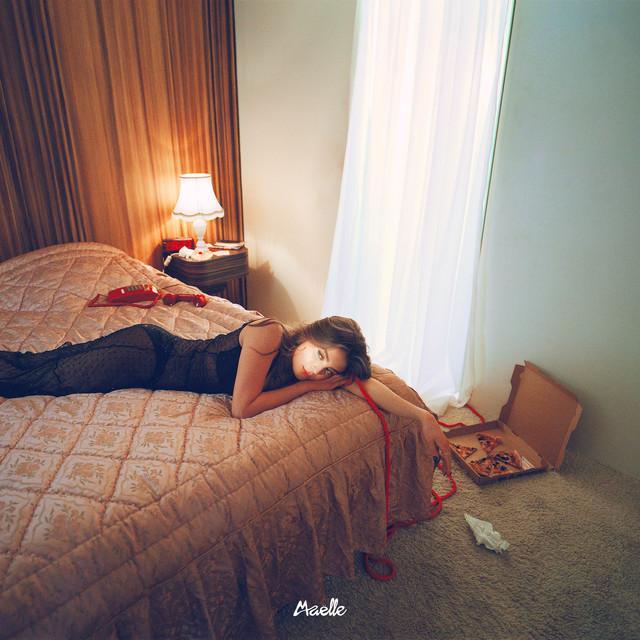
Why Maëlle's "Ouvrir les yeux" Hurts So Deeply
The meaning of Ouvrir les yeux Maëlle becomes clearer when the song is heard as a portrait of someone trying to keep moving after love has already ended. Even without grand drama, the lyrics show a person caught between memory, jealousy, and survival. They are not healed. They are simply finding a rhythm that lets them endure.
"Ouvrir les yeux" - Maëlle
Seule sans toi
Mon cœur est devenu froid
Loading lyrics...
Unable to load lyrics
We're unable to display the lyrics at this time. Please try again later.
Maëlle is a French singer-songwriter who first reached a wide audience after winning The Voice France in 2018, a breakthrough widely covered by major French media and the show's official channels. The songwriting credits provided here list Jean Castel, Maelle Pistoia, Noor Awad, and Stan Neff, which fits the song's polished but intimate pop style. Those facts matter because the track feels carefully built: personal in voice, but structured like a modern emotional pop single.
A breakup song about motion, not closure
At its core, the song is about heartbreak that remains active in the body. The speaker says they are alone and emotionally chilled, with a heart that has turned cold. That is not just sadness. It suggests numbness, a defensive state after being hurt.
Still, the song refuses to stay still. Its key verb is dance. When the chorus pleads Danse, ne t'arrête pas
, the idea is not celebration. It is closer to emotional first aid. If the music keeps going, they can keep taking steps. Movement becomes a substitute for resolution.
Interpretation: This is why the song feels so human. They are not claiming to be over the relationship. They are trying to function inside its aftermath.
The speaker lives between memory and replacement
One of the sharpest details in the verses is the contrast between the absent ex and a present physical comfort. The speaker admits that warmth is returning, but ça n'vient pas de toi
. In plain terms, any comfort they feel is no longer coming from the person they truly want.
That tension deepens when the song hints at another body in the room and another woman in the ex-partner's life. The line about someone being good in their arms raises a blunt question: is this a rebound, a distraction, or a real new connection? The song refuses to answer.
Then comes the comparison: Est-ce qu'elle me ressemble?
That question exposes a common post-breakup obsession. The speaker is not only grieving the lost relationship. They are measuring their replacement against themselves. It is a painful form of self-testing.
A short emotional timeline
The song's story moves in a clear arc:
- They begin alone, cold, and emotionally shut down.
- They seek temporary warmth through drink, touch, or motion.
- They imagine the ex elsewhere, possibly with someone new.
- They turn to dance as a way to survive passing time.
That last step matters most. The song does not end in reunion or revelation. It ends in repetition, which mirrors the loop of grief itself.
Why the chorus feels like a trap
The chorus gives the song its emotional center. The speaker says they are prisonnière du temps qui passe
, which turns time into a cage rather than a cure. Many breakup songs say time heals. This one says time can also torture.
Danse, ne vois-tu pas
Que je suis prise au piège
D'un monde sans toi?
These lines matter because they redefine dance. It is not freedom. It is a coping ritual inside a world that no longer feels right. The body moves, but the heart is still stuck.
Interpretation: The repeated chorus can be heard as self-talk. They may be addressing a dance partner, a crowd, or even themselves. In each case, the command to dance is really a command not to collapse.
The song's images are simple, but very effective
The lyrics lean on a few strong motifs rather than complex poetry. That simplicity helps the emotion land fast.
- Cold heart: emotional shutdown after pain.
- Warmth: temporary comfort, but not true healing.
- Black sky: depression, uncertainty, or emotional night.
- Sheets and arms: intimacy after separation, clouded by doubt.
- Dance: survival through motion.
The phrase le ciel est noir
is especially useful. It widens the song from a private breakup into a total atmosphere. Their sadness is not just internal; it colors the whole world.
How the sound likely carries the meaning
Even from the lyrics alone, the writing points toward a pop arrangement built on contrast: intimate verses, then a larger, repetitive chorus. That shape fits the emotional logic of the song. The verses are reflective and jealous. The chorus is physical and urgent.
A song like this often works best with a steady beat, restrained verse delivery, and a stronger rhythmic lift in the hook. If produced that way, the music would mirror the message exactly: private grief pushed forward by public motion. They do not stop hurting, but the beat keeps them upright.
Maëlle's style has often balanced vulnerability with clarity, and this song fits that profile. Rather than burying emotion under abstract writing, it says the hard thing plainly and lets repetition do the deeper work.
Final reading: opening eyes means facing what remains
For listeners searching for the meaning of Ouvrir les yeux Maëlle, the song is less about a dramatic awakening than a reluctant one. To open their eyes is to see that the relationship is over, that comfort can come from the wrong places, and that time does not always heal on schedule.
The power of the song lies in that honesty. They are hurt, jealous, lonely, and still moving. That mix is what makes the track believable.
Interpretation disclaimer: This reading is an informed interpretation based on the lyrics provided, the credited writers, and Maëlle's artistic context. Like many breakup songs, its meaning can shift from listener to listener.








