Why This Manics Anthem Still Feels Urgent
For many listeners in the United States, the meaning of If You Tolerate This Your Children Will Be Next Manic Street Preachers comes down to one clear idea: apathy has consequences. The song takes a historical warning and turns it into a message about the present. It asks what happens when ordinary people look away from violence, extremism, or cruelty until it becomes normal.
"If You Tolerate This Your Children Will Be Next" - Manic Street Preachers
The present to be afraid and cold
"So if I can shoot rabbits then I can shoot fascists"
Loading lyrics...
Unable to load lyrics
We're unable to display the lyrics at this time. Please try again later.
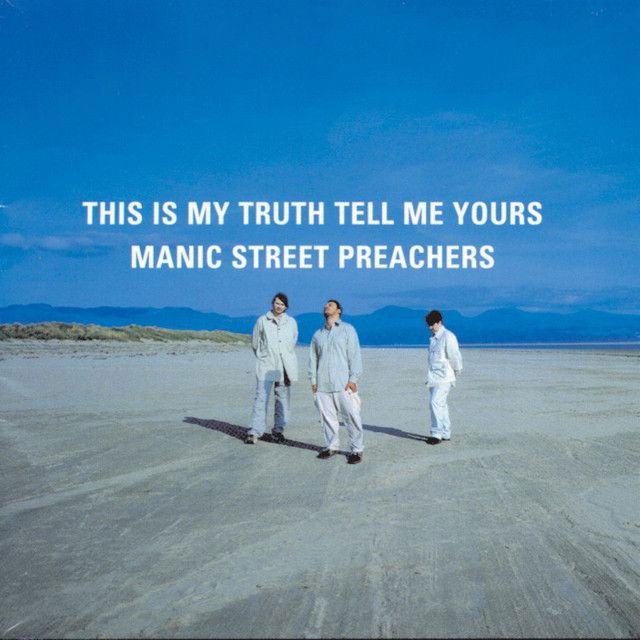
Released in 1998 as a single from This Is My Truth Tell Me Yours, the track became the band's first UK No. 1, a major moment in the group's career according to the Official Charts Company and Discogs. That success matters because this is not a private, diary-like song. It is a public statement, delivered in a huge, almost ceremonial style.
A Warning Hidden in a Hit
At its core, the song is about the moral cost of doing nothing. The title phrase is the key. When they repeat your children will be next
, they are not only talking about one war or one movement. They are turning tolerance into a chain reaction, where today's silence becomes tomorrow's damage.
Interpretation: the song suggests that indifference is never neutral. If people accept injustice because it feels distant, inconvenient, or politically messy, the harm spreads. The future in the opening lines feels cold not because history is fixed, but because people keep failing to act.
This gives the song a broader meaning than a simple protest anthem. It is political, but it is also psychological. It studies fear, shame, and the temptation to admire courage from a safe seat.

Watch the official If You Tolerate This Your Children Will Be Next
music video
The Spanish Civil War Behind the Lyrics
The best-known context for the song is the Spanish Civil War. The title is widely linked to a slogan associated with anti-fascist resistance from that period, and the band have discussed the song in relation to volunteers who fought in Spain, including Welsh connections to the conflict, as noted by the BBC and Manic Street Preachers interviews archived by music press outlets. The line about shooting fascists points directly to that setting.
The lyric about La Ramblas
places the speaker in Spain, but the point is not tourism. They contrast walking through a famous public place with lacking real intent
. In other words, they know the history, they visit the scene, but they also know they are separated from the people who truly risked their lives.
Guilt, Distance, and Failed Heroism
That emotional split drives the verses. Phrases like being so young
and being so vain
sound self-accusing. The speaker is not presenting themselves as brave. They are admitting to self-consciousness and moral weakness.
This is what makes the song more interesting than a slogan. It is not only condemning society. It is also questioning the self: what does it mean to praise resistance in theory while living comfortably in practice?
How the Chorus Changes Everything
The chorus is simple, but that simplicity is the point. It moves the song from memory into warning. The verses describe confusion, shame, and historical reflection. The refrain turns all of that into a direct lesson.
If you tolerate this
your children will be next
That short statement feels larger each time it returns. It does not describe one person alone. It speaks to a whole audience, almost like a banner held over the song.
Interpretation: the repeated hook may also be aimed at liberal complacency. It challenges listeners who think they are decent people but still accept systems or leaders that harm others. The song's power comes from how little room it leaves for excuses.
Images of Damage and Memory
Several images in the song connect private emotion to public violence. References to bullets and holes in your head
are blunt and physical. They cut through abstract politics and remind listeners what extremism actually does.
Then there is the image of the old man with newspaper clippings from his glory days
. That moment feels sad rather than triumphant. History survives as fragments, memories, and faded proof. Heroism becomes something handled by survivors, long after the crowds have moved on.
Interpretation: this scene may show how societies romanticize past struggles while failing to recognize present ones. People honor old resistance movements in museums or headlines, then hesitate when similar courage is needed again.
Why the Music Sounds So Massive
The production matters a lot to the meaning. Rather than using punk speed or raw aggression, Manic Street Preachers build the song with a stately beat, wide guitars, and a dramatic upward sweep. Sources including album credits documented by Discogs credit the song's writers as James Dean Bradfield, Nicky Wire, and Sean Moore, with production tied to the This Is My Truth Tell Me Yours sessions.
That sonic choice is smart. A frantic arrangement might have made the song sound like a quick burst of anger. Instead, it feels heavy, deliberate, and communal. James Dean Bradfield's vocal does not scream the message; he carries it with controlled force, which makes the warning sound more credible.
The result is an anthem that feels reflective and severe at once. The music says this is not a passing outrage. It is a recurring human failure.
The Lasting Meaning Today
The meaning of If You Tolerate This Your Children Will Be Next Manic Street Preachers still lands because its central fear has not aged out. The song argues that democracy, decency, and memory all require effort. Once people treat cruelty as background noise, they create the conditions for worse things to follow.
That is why the track endures. It remembers anti-fascist struggle, but it is really about the present tense of responsibility. They are asking listeners not just what they believe, but what they are willing to overlook.
Disclaimer: This interpretation combines documented historical context with critical reading of the lyrics and sound. As with any song, some meanings remain open to listener interpretation.









