Why “Motorcycle Emptiness” Still Hurts
The meaning of Motorcycle Emptiness Manic Street Preachers comes from a sharp contradiction: the song sounds huge, fast, and freeing, yet its words describe a life drained of purpose. That tension is the point. Manic Street Preachers turn glamour, speed, and modern style into symbols of loneliness.
"Motorcycle Emptiness" - Manic Street Preachers
Itemize loathing and feed yourself smiles
Organize your safe tribal war
Loading lyrics...
Unable to load lyrics
We're unable to display the lyrics at this time. Please try again later.
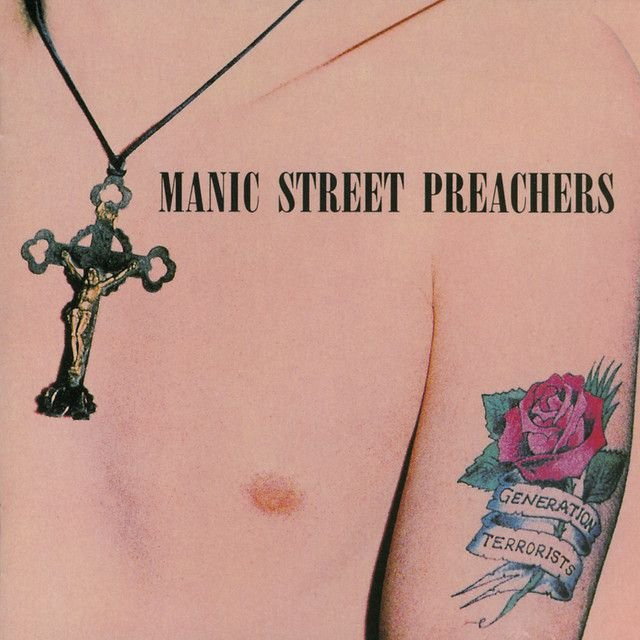
Released in 1992 on Generation Terrorists, the track came from the band’s early era, when their work mixed political anger, literary references, and arena-sized rock ambition. The writing is credited to James Dean Bradfield, Nicky Wire, Richey Edwards, and Sean Moore. In broad terms, the song attacks consumer culture and the false happiness it sells while asking what remains when pleasure becomes a product.
A fast ride through a hollow world
At its core, the song describes a society that markets identity back to people. The opening attacks a culture that packages hatred, turns violence into order, and teaches people how to smile through it. The lyric world is not just sad; it is systemically dehumanized.
That is why the song keeps returning to neon loneliness
and motorcycle emptiness
. Those phrases suggest a city glowing with nightlife, motion, and image, but emotionally dead underneath. The motorcycle can imply freedom, rebellion, and masculinity. Interpretation: here, that image is empty spectacle rather than true escape.
Watch the official Motorcycle Emptiness
music video
The song’s target: consumerism as a belief system
One of the clearest ideas in the lyric is that capitalism does not only sell products. It sells dreams, myths, and ready-made selves. When the song moves from feudal serf
to spender
, it compresses a whole history into one bitter thought: old forms of control may change, but people are still trapped, now through buying and desire.
The phrase purchase power
is especially important. It sounds like the language of advertising or economics, but in the song it becomes a moral accusation. Human value is measured by spending. Joy becomes a transaction. Even rebellion risks becoming another style for sale.
This is why the line about life being a slow suicide
lands so hard. The song is not mainly about dramatic destruction. It is about daily erosion: giving away energy, identity, and feeling little by little.
What the chorus really says
The chorus is simple, which makes it powerful. It does not explain the world in detail. Instead, it gives the emotional result of that world.
Under neon loneliness motorcycle emptiness
Under neon loneliness everlasting nothingness
Those lines summarize the song’s bleak logic. Modern life offers speed, light, noise, and surfaces. Yet behind the stimulation is what the song later calls counterfeit joy. Interpretation: the chorus matters because it translates social criticism into a bodily feeling—restless, glamorous despair.
Who is speaking in the lyric?
The voice is not a personal confessional in the usual sense. It sounds more like a witness speaking for a generation. Even when the song shifts into all we want from you
, the “we” feels collective, like a damaged public talking back to a system that feeds them thrills instead of meaning.
That collective voice fits Manic Street Preachers’ early style. Their songs often blended personal pain with political language, making private emptiness feel tied to public culture. Here, they are not telling one small story. They are diagnosing a whole social mood.
How the sound carries the message
Part of what makes the track endure is that it does not sound gray or defeated. James Dean Bradfield’s guitar work is bright and surging, and the rhythm pushes forward with a driving pulse. The result feels almost liberating on first listen.
That musical lift is crucial. If the song sounded only miserable, the message would be simple. Instead, the band wraps bleak ideas in a cinematic rock arrangement. The listener feels the thrill that the lyric distrusts. They are pulled into motion even as the words warn that motion alone changes nothing.
Bradfield’s vocal also helps sell that tension. He sings with urgency and openness rather than numb detachment. That gives the song an anthem-like quality, as if naming emptiness is itself a form of resistance.
Symbols that deepen the meaning
Several images repeat across the song and strengthen its themes:
- Neon: artificial brightness, nightlife, commerce, modern glamour.
- Motorcycle: speed, escape, youth fantasy, performative freedom.
- Counterfeit joy: pleasure that looks real but feels empty.
- Nothingness: the emotional end point of living through surfaces alone.
Even the line about driving away and finding it the same suggests that escape is geographically impossible. The problem is not one bad place. It is the structure of the culture itself.
Why the song still connects
The meaning of Motorcycle Emptiness Manic Street Preachers still feels current because the systems it criticizes have only expanded. Image culture, branding, outrage, and monetized identity are even more intense now than they were in the early 1990s. The song’s complaint about fake joy and purchased selfhood still sounds familiar.
At the same time, the track survives because it is more than a lecture. It gives listeners both analysis and feeling. They hear the seduction of modern life in the music, then the cost of it in the lyrics.
Final takeaway
“Motorcycle Emptiness” is about the emptiness hidden inside glamour, consumption, and constant motion. It argues that modern culture offers excitement without depth and freedom without fulfillment.
Interpretation: the song’s real power lies in its dual nature. It feels like a rush, but it describes a void. That clash is exactly why it still hits so hard.
Disclaimer: This interpretation is based on the lyrics, the band’s known themes, and the song’s musical presentation. As with any art, listeners may hear different meanings in it.









