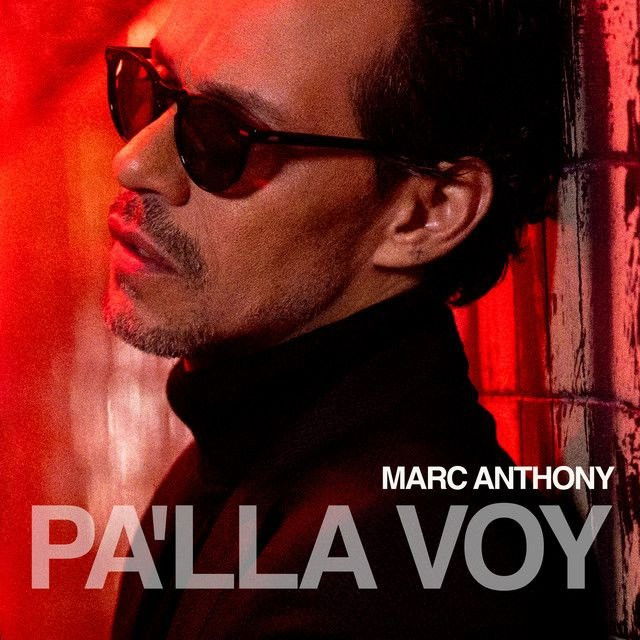
Why 'Nada de Nada' Makes Riches Feel Empty
The meaning of Nada de Nada Marc Anthony comes down to a sharp emotional contrast: a person can have money, status, and luxury, yet still feel like they have nothing if love is missing. That idea is not new in Latin pop or salsa, but Marc Anthony delivers it with a directness that makes it land.
"Nada de Nada" - Marc Anthony
Eah
Eh
Loading lyrics...
Unable to load lyrics
We're unable to display the lyrics at this time. Please try again later.
In this song, they present a narrator surrounded by excess who still feels poor in the one way that matters. The track turns wealth into evidence of loss, not success. It is less a brag song than an anti-brag, built to show that real connection cannot be bought.
A Love Song That Starts Like a Flex
The opening verse lists symbols of power: a giant boat, glamorous partners, and a mansion. On paper, the speaker has won. But each image quickly flips. The mansion is described as emotionally empty, and the social life feels hollow rather than exciting.
That is the key move of the song. It uses the language of success to expose failure. When the narrator says they are so poor they only have money, the line sounds witty, but it also reveals the whole theme. Material abundance becomes proof of spiritual lack.
Interpretation: This is why the song feels relatable even to listeners who do not share the wealth in the lyrics. Most people know the broader feeling: having achievements, possessions, or attention that still do not answer emotional need.

Watch the official Nada de Nada
music video
The Chorus Turns Wealth Into Nothing
The chorus gives the song its emotional center. The singer says they cannot buy amor sincero
, and that is the one thing they truly want. That simple idea carries the whole track.
They also insist that kisses cannot be traded for un banco entero
. In plain terms, no amount of money equals genuine intimacy. The song keeps returning to nada de nada
, not because the narrator literally has nothing, but because love is the measure that makes every other asset feel small.
Todo me sobra
si tú me faltas
This is the cleanest summary in the song. Everything is extra if the beloved person is missing. The line shrinks the world of yachts, mansions, and advisors down to one emotional truth.
Who They Are Singing To
The song sounds personal, almost like a plea aimed at one person who still has doubts. Later lines mention a moonstone ring and the wish to take that person to the altar. That moves the story beyond general heartbreak.
This is not only about wanting love in the abstract. It is about wanting acceptance from someone specific. The narrator believes their feelings are real, yet they cannot make the other person believe it. That tension adds vulnerability to the song.
A Short Story Inside the Lyrics
The narrative moves in three quick beats:
- They describe extreme wealth and status.
- They confess that all of it is worthless without love.
- They reveal a more intimate goal: commitment, marriage, and emotional trust.
That progression matters. The song begins with public image and ends with private need.
The Loneliness Beneath the Luxury
One of the most revealing sections is the line about having more advisors and lawyers than drinking friends. That image cuts through the glamour. It suggests a life crowded with professionals but lacking real companionship.
When the narrator says they are lonelier than the moon, the song briefly leaves material imagery and enters emotional isolation. The mood shifts from clever and flashy to quietly sad. They are not just rejected; they are trapped in a lifestyle that seems large but feels cold.
Interpretation: This could reflect celebrity life more broadly. Marc Anthony has long performed songs where passion and heartbreak are larger than life, and his public image often blends romance, intensity, and grandeur. Here, the lyrics fit that persona while also criticizing it.
How the Sound Supports the Message
Even without quoting much lyric, the song’s construction helps explain its meaning. Marc Anthony is known for powerful phrasing and dramatic emotional lift, especially in tropical and Latin pop settings. The writing credits provided for the song list Hazim Santiago, Henry Castillo, Luis Fernando Castillo, and Marc Anthony, which supports the sense of a carefully built, hook-driven statement.
The arrangement likely matters as much as the words. The call-and-response feel, chant-like vocal tags, and rising chorus energy make the confession sound communal and huge rather than private and whispered. That is a smart contrast: the singer feels empty, but the music feels full.
This mismatch strengthens the theme. The production gives the narrator the sound of a winner while the lyrics reveal someone defeated by love.
Why the Song Connects So Easily
The meaning of Nada de Nada Marc Anthony works because it translates a timeless message into simple, memorable images. The song says what many love songs say, but in a cleaner way: money can solve many problems, yet it cannot force affection, trust, or mutual devotion.
It also avoids becoming bitter. Even with one crude comic line about a sheikh, the deeper feeling is not anger. It is longing. The narrator is not attacking love; they are admitting dependence on it.
Final Take
At its heart, "Nada de Nada" is about emotional bankruptcy inside material success. The singer has every sign of a full life, yet without the beloved person, everything feels reduced to zero.
That mix of grandeur and vulnerability is what gives the song its pull. Interpretation: listeners can hear it as a romantic plea, a confession of loneliness, or even a subtle critique of fame and wealth.
Disclaimer: This interpretation is based on the released lyrics, songwriting credits provided, and Marc Anthony’s broader artistic style. Song meanings can vary from listener to listener.







