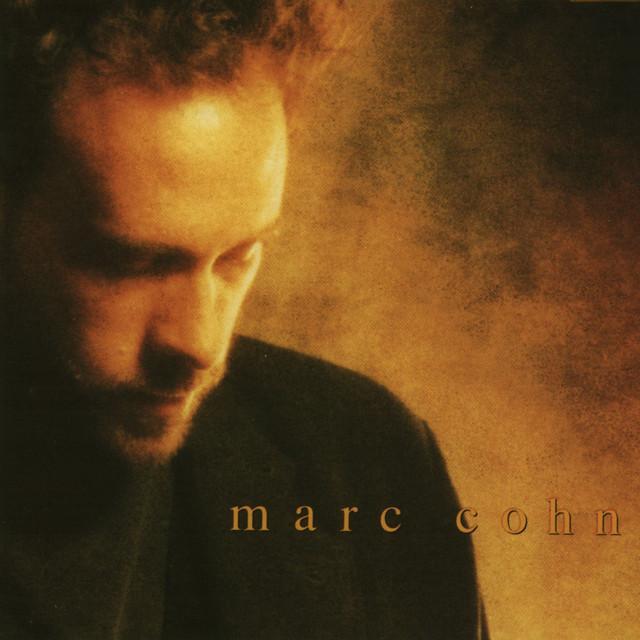
Walking In Memphis by Marc Cohn
The meaning of Walking In Memphis Marc Cohn comes down to one big idea: a trip to a famous music city becomes a moment of healing, faith, and artistic rebirth. The song sounds like a travel story, but it is really about what happens when a person arrives emotionally empty and leaves transformed.
"Walking in Memphis" - Marc Cohn
And I boarded the plane
Touched down in the land of the Delta Blues
Loading lyrics...
Unable to load lyrics
We're unable to display the lyrics at this time. Please try again later.
Marc Cohn has said the song was “100 percent autobiographical” and tied to “a kind of spiritual awakening,” as reported by American Songwriter and summarized by Wikipedia. That matters because the song is not just using Memphis as a backdrop. It treats the city as a doorway into memory, music history, and inner change.
A Travel Song That Turns Into a Spiritual Test
On the surface, the verses move like a postcard. The narrator lands in Memphis, sees local landmarks, and follows the trail of blues and rock legends. Early details like blue suede shoes
and land of the Delta Blues
place them in a world built from American music myths.
But those images are more than tourist stops. They show someone trying to borrow strength from a place bigger than themselves. The references to W.C. Handy, Beale Street, and Elvis connect the narrator to a long line of artists who turned pain into song.
Interpretation: The trip works like a pilgrimage. They are not just visiting Memphis. They are searching for proof that music can still save them.
Watch the official Walking in Memphis
music video
Why the Chorus Feels So Powerful
The chorus gives the song its emotional lift. When Cohn sings feet ten feet off of Beale
, he describes a rush that feels physical, almost supernatural. Beale Street is real, but in the song it becomes a symbol for musical joy and release.
Then the hook adds a question: do I really feel
. That small doubt is crucial. Instead of celebrating in a simple way, the song pauses to ask whether this emotional high can be trusted.
That tension is the heart of the track. The narrator is uplifted, but also stunned by it. They are checking whether this new feeling is real because it is so different from the heaviness they carried in.
Elvis, Ghosts, and the Weight of Music History
One of the song's best-known moments is the image of the ghost of Elvis
on Union Avenue. Taken literally, it is a vivid scene. Symbolically, it shows how Memphis is haunted in a good way by the artists who shaped American music.
The Elvis image suggests that great musicians never really leave places like this. Their energy stays behind in streets, buildings, and stories. By following that ghost to Graceland, the narrator is following inspiration itself.
This also explains why the song feels both earthly and mystical. There is rain, food, roads, and buildings, but there is also a sense that music history is alive and watching.
The Muriel Scene Is the Emotional Center
The turning point comes with Muriel at the Hollywood Café, a real performer Cohn met on his trip, according to Songfacts and Wikipedia. In the song, she invites the narrator into a gospel moment that breaks through their reserve.
Her question leads to the song's most famous line:
Tell me are you a Christian child?
Ma'am, I am tonight
This is not really about changing religions. Cohn, who is Jewish, later said that line was deeply personal and even specifically Jewish in its wit and honesty, as noted by American Songwriter. The point is that, in that moment, they feel fully inside the spirit of the room.
Interpretation: The line means surrender. The narrator stops standing outside the experience and allows music, community, and faith to carry them.
How Loss Hides Beneath the Story
Part of the song's power comes from what it does not say directly. Research on the song's backstory shows Cohn went to Memphis during writer's block and while carrying grief tied to the deaths of his parents, especially his mother, as detailed by Wikipedia and Songfacts.
Knowing that context changes the meaning. The song is not just about being inspired by a city. It is about finally feeling something move after a long emotional freeze.
That is why gospel matters so much here. Gospel music in the song is not decoration. It becomes a language for release, mercy, and connection.
Why the Music Supports the Message
The production helps keep the story front and center. Cohn co-produced the track with Ben Wisch, and the song appeared on his 1991 self-titled debut album, according to Wikipedia. The arrangement stays clear and steady, letting the narrative do the work.
Cohn explained that he kept the music simple so listeners would focus on the story, and that the song builds gradually before falling back again. That design matches the meaning. The performance rises like a spiritual swell, then returns to quiet reflection.
Its blend of piano-led soft rock, pop, and gospel feeling mirrors the song's message: personal testimony carried by classic American sounds.
Why the Song Still Connects
The single reached No. 13 on the Billboard Hot 100 and became Cohn's signature song, helping establish him as a major new artist in 1991 and leading into his 1992 Grammy win for Best New Artist, per Wikipedia. That success makes sense because the song balances two things listeners love:
- specific, cinematic storytelling
- a universal feeling of wanting to be changed
In the end, the meaning of Walking In Memphis Marc Cohn is not just about Memphis. It is about what happens when a place, a song, and a moment of human kindness meet at exactly the right time.
Disclaimer: This interpretation mixes documented background with reasoned reading of the lyrics, so some meaning remains open to the listener.