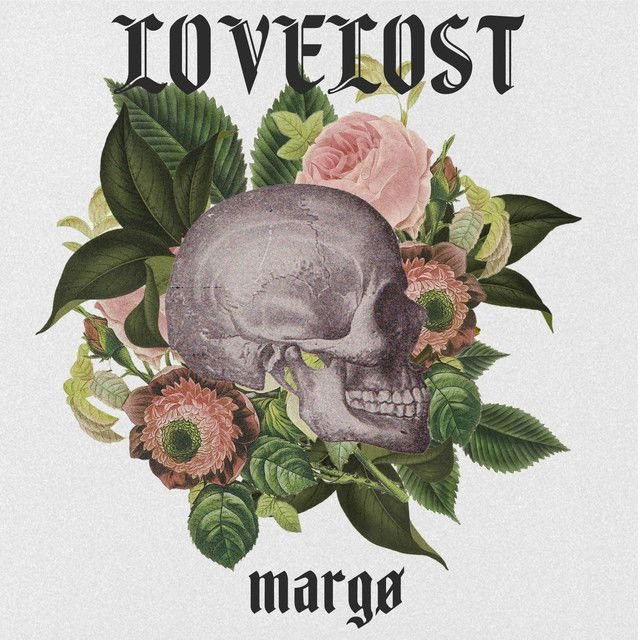
Why 'LOVELOST' by margø Feels Like Rebirth
The meaning of LOVELOST margø comes through fast: this is a song about leaving a damaging bond, taking back identity, and accepting that survival changes a person. It does not sound nostalgic. It sounds like someone reaching a limit and then finding their strength on the other side.
"LOVELOST" - margø
Creature without a spine
Took back what should be mine
Loading lyrics...
Unable to load lyrics
We're unable to display the lyrics at this time. Please try again later.
Based on the information provided, the song was written by Cassidy Margolis. That matters because the lyrics feel tightly built around one emotional arc: harm, awakening, separation, and refusal to return.
The Heart of the Song: Power Taken Back
At its core, "LOVELOST" is about a speaker who has been diminished by another person and finally rejects that role. Early lines paint them as shaken and reduced, even describing themselves with the phrase without a spine
. That image suggests a loss of confidence and agency.
But the verse does not stay there. The turning point comes when they say they gained a voice
. In plain terms, they stop absorbing the other person’s version of events and start naming the damage for what it is.
Interpretation: The song’s real conflict is not just romantic heartbreak. It is a struggle over selfhood. The other person seems to want control, obedience, or emotional dependence, while the speaker fights to become solid again.

Watch the official LOVELOST
music video
How the Verses Build the Story
The lyrics move in a clear sequence:
- They begin in confusion and injury.
- They realize they have been used or silenced.
- They cut emotional ties.
- They return stronger, even if changed forever.
That structure makes the song feel like a recovery narrative, not just a complaint. The line about being thrown in the deep end
frames the relationship as overwhelming. It suggests they were forced into emotional chaos without care or support.
Later, the song shifts to distance and escape. They need room, they cut ties, and they refuse to become a victim. When the lyric says I'm back from the dead
, it is not literal. It turns healing into resurrection. The speaker is saying they were emotionally buried, and now they are rising.
Why the Chorus Hits So Hard
The chorus centers on the phrase there's no love lost
, and that is the song’s emotional thesis. In everyday speech, that phrase often means there is no warmth left between two people. Here, it lands with extra force because it follows images of blame, betrayal, and moral reversal.
The chorus argues that the speaker is not the one who broke the relationship. They frame themselves as the person who had to become strong because the other person was wrong, careless, or destructive.
Dig my grave
Take my blame
There's no love lost
Those brief lines show the pattern clearly: the other person harms them, shifts responsibility, and still expects emotional access. The chorus answers with a hard boundary.
The Most Important Theme Is Transformation
One of the strongest lines in the song is the repeated claim that they will never be the same. That sentence carries grief and pride at once. Healing helps, but it does not erase what happened.
This is why the meaning of LOVELOST margø feels more mature than a simple revenge anthem. The speaker is not saying they won without scars. They are saying survival changed them, and that change is permanent.
Interpretation: There are two kinds of rebirth in the song:
- a recovery of voice and agency
- an acceptance that innocence is gone
That mix gives the track emotional weight. It is empowering, but not naive.
Images of Death, Breathing, and Escape
The song’s imagery is stark and easy to follow. Graves, deep water, breathing room, and coming back from death all support one idea: this relationship felt suffocating.
The death imagery shows how total the damage felt. The breathing imagery shows why leaving became necessary. This is not framed as a casual breakup over fading chemistry. It feels like emotional survival.
There is also a subtle contrast between objectification and personhood. When they reject being a shiny toy
, they push back against being treated as decorative, controllable, or disposable. That one phrase says a lot about the imbalance in the relationship.
How the Sound Likely Supports the Meaning
Even without detailed production credits, the lyric design suggests a modern alt-pop or dark-pop approach: sharp verses, a declarative hook, and a repeated final chant built for release. The repetition of the closing section works like a mantra. Instead of sounding passive, it likely turns the song into a statement of will.
That ending matters. Repeating the refusal to give power back transforms the track from reflection into action. In performance terms, it would likely be the song’s most cathartic moment.
Interpretation: If the production rises in intensity there, that would match the lyric’s emotional logic. The song begins wounded but ends armored.
A Final Reading of LOVELOST
The best way to read the song is as a boundary anthem. It is about seeing manipulation clearly, ending the cycle, and refusing to confuse survival with cruelty. The speaker sounds done, not cold for no reason.
For listeners, that is why the meaning of LOVELOST margø can resonate beyond romance. It speaks to any bond where blame, pressure, and control replaced care.
Takeaway
"LOVELOST" turns pain into self-recovery. Its message is simple but sharp: once someone pushes a person past the point of trust, love can die and strength can take its place.
Disclaimer: This interpretation is based on the lyrics provided by the user and publicly neutral songwriting context supplied in the prompt. Meaning in music can remain open, and listeners may hear different emotional layers in the song.








