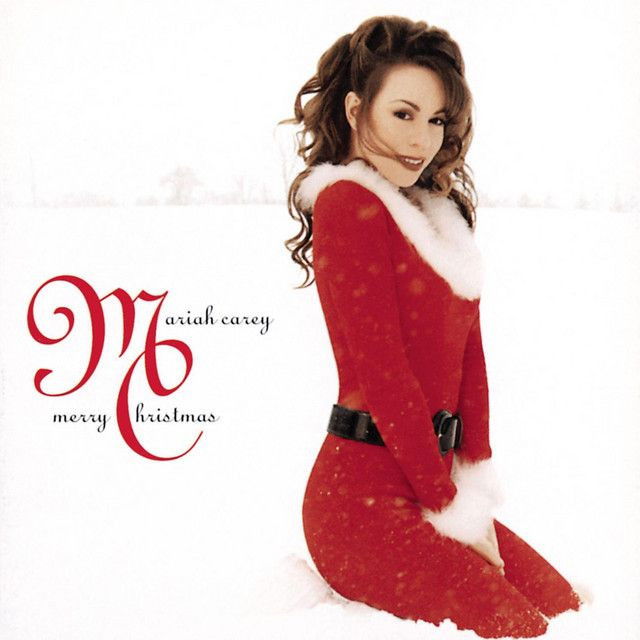
Christmas (Baby Please Come Home) by Mariah Carey
The holidays promise warmth, but this song holds a different truth: joy isn’t complete without the person you love. To many U.S. listeners, the meaning of Christmas (Baby Please Come Home) Mariah Carey centers on that gap between public cheer and private ache. It’s festive on the surface and aching underneath, a mix that gives the track its enduring pull.
"Christmas (Baby Please Come Home)" - Mariah Carey
Yeah, yeah oh oh
Ooh yeah
Loading lyrics...
Unable to load lyrics
We're unable to display the lyrics at this time. Please try again later.
A Holiday Classic Recast as a Heartfelt Plea
Mariah Carey’s version revives a 1963 Darlene Love classic, keeping the urgency while amplifying the glow. The narrator is surrounded by seasonal celebration, yet they feel isolated. When they say baby, please come home
, they’re not just asking for company. They’re asking for the return of a feeling, a life that made the season make sense.
Interpretation: The song’s central tension is between the world’s happiness and the narrator’s loneliness. The louder the celebration, the sharper the ache. That contrast is the engine driving every verse and the hook.

Watch the official Christmas (Baby Please Come Home)
music video
Who’s Speaking, and What Do They Want?
The voice is first-person, addressing someone who isn’t there. They scan familiar scenes for comfort—carols, bells, lights—but none of it feels right. A small phrase like you should be here with me
turns a public holiday into a private conversation.
Interpretation: It’s a romantic plea, but also a plea for wholeness. The missing person symbolizes stability and belonging.
A Simple Story Told in Seasonal Images
Here’s the emotional timeline that unfolds across the track:
- It starts with environment:
the snow's comin' down
and the town is alive. - The singer senses a mismatch: everything is bright, but they’re dim inside.
- Memory enters: last year felt complete; this year is empty.
- The wish crystallizes in the hook:
baby, please come home
. - The guard drops near the end with
I’d hold back this tear
, showing hurt that can’t be hidden.
Each beat is uncomplicated, but together they create a vivid portrait of longing.
Why the Chorus Stings More Than the Verses
The hook lands because it reframes the scenery. Carols ring, lights sparkle—but the narrator insists, it's not like Christmas at all
. Interpretation: They aren’t fighting the holiday; they’re fighting the gap between memory and now. The chorus names that gap and begs to close it, which is why it sticks in listeners’ heads.
Symbols That Do the Heavy Lifting
- Snow: fresh starts and purity, but also cold distance.
- Church bells: community tradition that can feel isolating if you’re grieving or alone.
- Christmas lights: hope that shines on everyone, yet doesn’t reach the heart without connection.
- Familiar carols: comfort and pain in one, because they trigger memories.
Interpretation: These images aren’t just scene-setting. They act like mirrors, reflecting back what the narrator misses.
How Carey’s Sound Turns Longing into Lift
Carey’s 1994 recording nods to the 60s “Wall of Sound” with sleigh bells, big drums, a warm organ, and stacked background vocals. The arrangement feels like a hug—wide, reverberant, and bright—while the lyric aches. That tension makes the performance compelling. Her melismas bend around the beat, and the choir-like harmonies add a gospel lift that suggests hope even as the words plead.
Context matters too. Carey cut the song for her Merry Christmas album, which helped cement her as a modern holiday mainstay. Over time, this version has returned to charts during the season and earned certifications, proof of how listeners keep coming back to it. Even the original, first recorded by Darlene Love, didn’t hit the Hot 100 until decades later, showing how the song grew into a standard as generations rediscovered it.
Alternate Takes People Hear
- Long-distance love: the partner is away for work, school, or travel.
- A breakup: the relationship ended, and the singer still hopes.
- Grief: some hear a loved one who can’t return at all.
Interpretation: The lyric leaves room for each reading, which helps explain its reach. Anyone who has felt out of sync with a happy crowd can find themselves here.
Cultural Footprint That Keeps Growing
Carey has featured the song in holiday tours and specials, and it routinely resurfaces each December. The track’s popularity shows how a specific plea can become a universal ritual. People press play not only for glitter and bells, but for the shared acknowledgment that the heart of the season is togetherness, not decoration.
Takeaway for Your Playlist
The meaning of Christmas (Baby Please Come Home) Mariah Carey comes down to this: joy needs connection. The song lets listeners hold both feelings at once—sadness for what’s missing and hope that love will cross the distance.
Interpretation disclaimer: Song meanings are subjective. This reading draws on lyrics, performance, and public context; your experience may differ.








