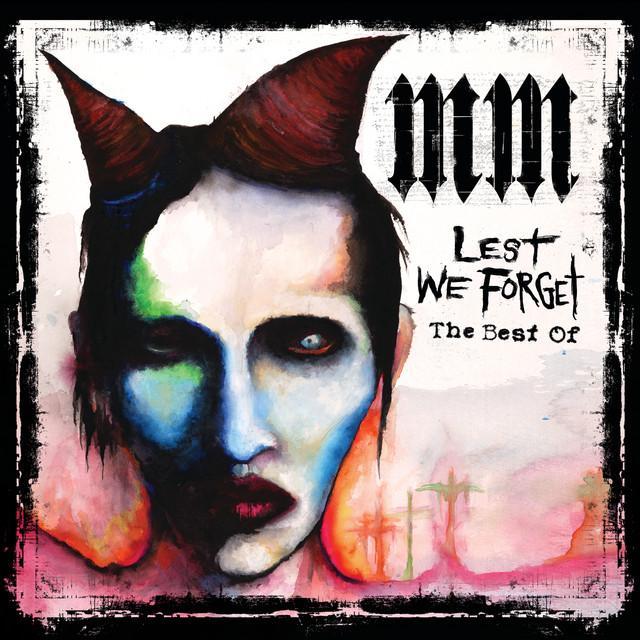
Tainted Love by Marilyn Manson
Marilyn Manson’s cover of “Tainted Love” turns a well-known breakup song into something darker and more uneasy. For listeners searching for the meaning of Tainted Love Marilyn Manson, the clearest answer is simple: it is about recognizing that love has become toxic and choosing escape over more damage.
"Tainted Love" - Marilyn Manson
I've got to get away
From the pain you drive in the heart of me
Loading lyrics...
Unable to load lyrics
We're unable to display the lyrics at this time. Please try again later.
That meaning was already built into Ed Cobb’s original song, first recorded by Gloria Jones in the 1960s. Soft Cell later turned it into a global synth-pop hit, and Marilyn Manson reworked that familiar version for the Not Another Teen Movie soundtrack in 2001. Their take does not rewrite the message, but it changes the emotional temperature.
A breakup song that feels like a warning
The lyrics describe someone who once chased love but now sees that same relationship as harmful. Early lines present a person who cannot rest, cannot think clearly, and feels pushed into emotional survival mode. When the song says run away
and get away
, it frames leaving not as drama, but as self-protection.
The key phrase, tainted love
, suggests affection that has been spoiled. This is not love in its healthy form. It is love mixed with pain, control, confusion, or emotional wear. The speaker still feels attachment, but the bond no longer brings safety.
Interpretation: In Marilyn Manson’s version, that corruption feels even more complete. Instead of sounding torn between desire and escape, they make the song sound like the moment after the decision has already been made.

Watch the official Tainted Love
music video
How the verses build the song’s central conflict
One reason the song remains so strong is its clear emotional timeline. The narrator moves from longing to refusal in just a few sharp images.
From attraction to rejection
The song’s most important turn comes in the line about once running toward this person and now running away. That reversal explains the full relationship arc in a few words. Desire came first. Hurt followed. Closeness became a threat.
Later, the lyrics make the boundary firmer. The plea don’t touch me please
is not subtle. It marks a line that has been crossed too many times. The relationship is no longer only disappointing; it has become unbearable.
I love you though you hurt me so
now I'm gonna pack my things and go
This is the emotional center of the song. The speaker admits love still exists, but love alone is not enough to keep the relationship alive. Pain has outweighed attachment.
Why Marilyn Manson’s version feels so different
Factually, Marilyn Manson’s 2001 recording was released as a single from the film soundtrack and later appeared on some editions of The Golden Age of Grotesque. It was produced by Marilyn Manson and Tim Sköld, and sources list it as electronic rock. According to Wikipedia’s entry, Manson also said they were not really focused on 1980s nostalgia while recording it.
That matters because the cover avoids sounding playful or retro. Instead, it leans into tension. The beat is tight and mechanical, the guitars are abrasive, and the vocal is cool rather than pleading. Where Soft Cell sounded wounded and lonely, Marilyn Manson sounds controlled, bitter, and performative.
Interpretation: This changes the meaning slightly. The original and Soft Cell versions can feel like confessions. Marilyn Manson’s version feels more like a confrontation. The same words now suggest disgust, distance, and emotional shutdown.
Sound, style, and emotional impact
The production helps sell that darker reading. The arrangement uses electronic pulse and rock weight at the same time, which makes the track feel both danceable and hostile. That tension mirrors the song’s message: attraction remains, but it is poisoned.
The vocal delivery is especially important. Rather than presenting pain as open heartbreak, they sing with restraint and edge. That choice makes the speaker seem less fragile and more defensive. Even when the lyrics admit hurt, the performance resists vulnerability.
This is why the cover worked so well in the early 2000s. It fit a period when alternative rock often mixed glam, industrial textures, and pop covers. Marilyn Manson took a song about emotional damage and gave it a polished, unsettling surface.
Context helped the song connect
The song’s placement on a teen movie soundtrack added irony. A track about poisoned intimacy appeared alongside a broad comedy, creating a contrast that made the cover stand out even more. The video, which featured cast members from the film, pushed that crossover appeal.
It also performed strongly. Research compiled on the song shows the single reached No. 5 in the UK, hit No. 1 in Portugal, placed in the top 10 across several European countries, and won a Kerrang! Award for Best Video. That success suggests listeners responded not just to the familiar hook, but to the new mood.
Final reading of the song
So what is the meaning of Tainted Love Marilyn Manson? It is the story of someone realizing that love has become contaminated by pain and deciding to leave before it causes more harm. The lyrics already carry that idea, but Marilyn Manson’s version highlights the colder side of it: not sorrow first, but rejection, self-defense, and disgust.
Interpretation: Their cover is less about heartbreak than about emotional contamination. It treats love as something that can rot from the inside, until escape becomes the only honest response.
That is why the song still lands. Beneath the famous hook, it captures a feeling many listeners know well: caring for someone, yet knowing they have become bad for you.
Disclaimer: Song meaning is always open to interpretation. This article separates confirmed facts from critical reading, and other listeners may hear the song differently.








