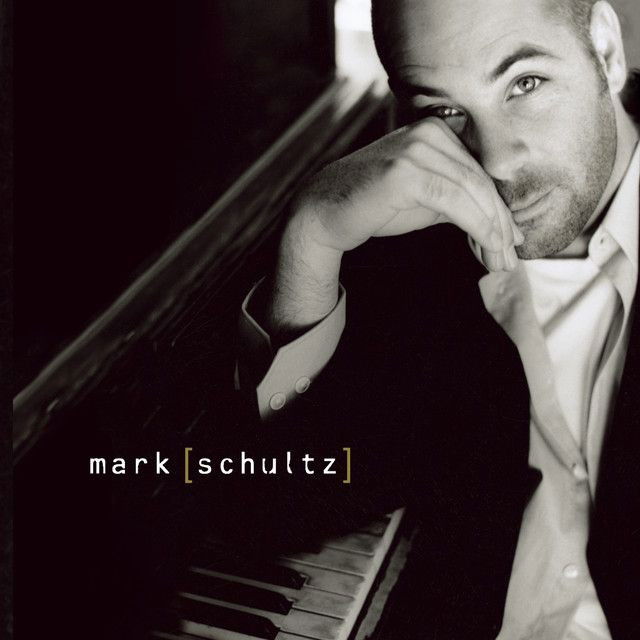
Why 'Remember Me' by Mark Schultz Still Moves
The meaning of Remember Me Mark Schultz comes down to one powerful idea: faith is meant to be handed down, not just held privately. The song is not asking for fame or personal legacy. Instead, it frames remembrance as spiritual continuity. What should be remembered is a life of grace, prayer, teaching, and worship that keeps moving from one generation to the next.
"Remember Me" - Mark Schultz
In a Bible cracked and faded by the years
Remember me
Loading lyrics...
Unable to load lyrics
We're unable to display the lyrics at this time. Please try again later.
Mark Schultz built much of their early reputation on heartfelt Christian storytelling, and this song fits that pattern. It is widely associated with contemporary Christian music’s focus on testimony, family, and devotion. The writing credit given here to John Charles Lodge and Justin Hayward also points to a reflective, hymn-like structure rather than a modern pop narrative.
The Heart of the Message Hides in Plain Sight
At its center, the speaker asks to be remembered through ordinary signs of faith. The song mentions a worn Bible, a quiet church, prayer, sunsets, and children learning in Sunday school. None of these images are flashy. That matters.
The song suggests that true spiritual influence lives in small, repeated acts. When the lyric says cracked and faded
, it points to years of use, not neglect. A Bible in that condition becomes a symbol of lived belief. In the same way, silent prayer
shows that faith does not need performance to be real.
Interpretation: the speaker may be a parent, mentor, pastor, or even an older believer speaking to the next generation. The exact identity stays open, but the emotional role is clear. They want to be remembered not as a personality, but as part of a chain of faith.

Watch the official Remember Me
music video
Who Is Speaking, and Who Are They Reaching?
The repeated title phrase makes the song sound intimate, almost like a blessing. The speaker addresses one person and many people at once. They seem to be talking to children, family, and a wider church community.
That is why the central refrain matters so much. When the song returns to age to age
and heart to heart
, it ties memory to relationship. Faith is not shown as a system passed down through force. It moves through affection, trust, and example.
Child of wonder
Child of God
I've remembered you
This short passage flips the song’s emotional direction. The speaker is not only asking to be remembered. They are also saying they already remember the listener in love and prayer. That makes the song less about loss and more about belonging.
How the Verses Build the Theme
Each verse adds a new setting where memory and faith meet:
- A worn Bible and a sanctuary suggest tradition.
- A sunset and tears during prayer suggest personal spiritual feeling.
- Sunday school children growing up to teach and preach suggest the future.
That movement is important. The song starts with objects and places, then moves to emotion, then to people carrying the message onward. By the end, remembrance has become active. It is not nostalgia. It is discipleship.
The line about children being old enough to leave is especially sharp. It recognizes that spiritual formation is temporary in one sense. Children grow up. They step out on their own. Yet the song argues that what they were shown can travel with them.
Symbols That Carry More Than They Say
Several images do heavy lifting in the song.
The Bible and the Sanctuary
These stand for inherited faith. A sanctuary filled with quiet prayer suggests reverence, stability, and shared belief. The emphasis is not on doctrine debates. It is on a sacred atmosphere that shapes memory.
The Sunset
When the lyric mentions the color of a sunset
, it expands the song beyond church walls. God can be remembered in creation too. This keeps the song from feeling narrow or institutional.
The Children
The children are the song’s clearest image of legacy. They begin as learners with smiles, then become teachers and preachers. The message is simple: faith matures when it is received, lived, and then passed on.
How the Sound Supports the Meaning
Even without quoting much lyric, listeners can hear why the song lands emotionally. The style is gentle, devotional, and built to sound communal. In contemporary Christian and gospel-influenced ballads, soft piano, warm strings, and steady vocal delivery often create a feeling of comfort rather than tension. This song follows that tradition.
The likely effect of that arrangement is important to the meaning of Remember Me Mark Schultz. A louder or more dramatic production might have turned the song into a demand for attention. Instead, the calm pace makes it feel like a prayer or benediction. The melody gives the repeated request room to feel humble.
Interpretation: the production reinforces the idea that remembrance is sacred, not self-centered. The song sounds like something meant to be sung in a church service, memorial setting, or family worship moment because its emotional weight comes from sincerity.
A Faith Song, a Legacy Song, or Both?
There are at least two strong readings of the song, and both fit.
First, it can be heard as a believer asking loved ones to remember a life of faith after they are gone. In that reading, the song carries a memorial tone.
Second, it can be heard as a living charge to keep faith moving forward in daily life. In that reading, remembrance is not about death at all. It is about practice, teaching, and witness.
The song works because it never forces listeners to choose just one. It leaves room for grief, gratitude, and hope at the same time.
Why the Song Still Connects
What makes the song durable is its simplicity. It avoids complicated theology and speaks in images most listeners can recognize right away. A family Bible, a church pew, children learning, a sunset sky: these are easy to picture and hard to forget.
In the end, the meaning of Remember Me Mark Schultz is about a legacy shaped by grace. The song says that if people remember anything, let it be the faith that held them together and led them forward.
Disclaimer: This interpretation is based on the song’s lyrics, musical style, and public context. As with any song, listeners may hear personal meanings that differ.








