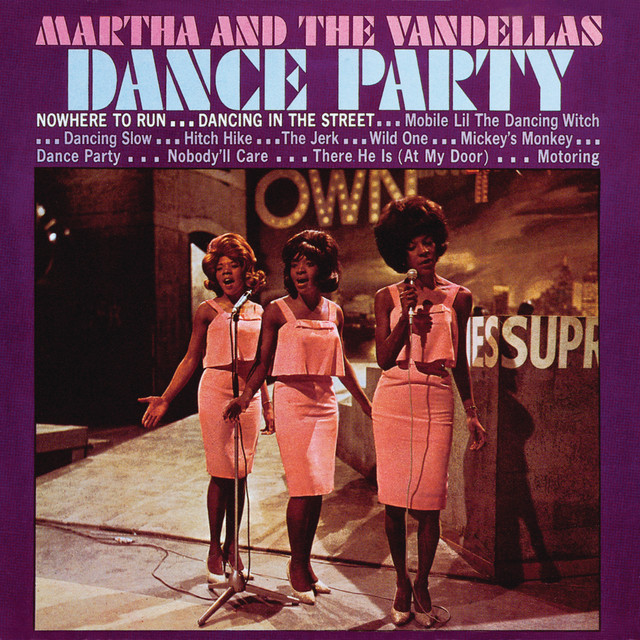
Why “Nowhere to Run” Still Feels Trapped
The meaning of Nowhere To Run Martha Reeves and The Vandellas starts with a simple idea: leaving someone is not the same as getting free of them. The song is not about a chase through city streets. It is about emotional captivity.
"Nowhere To Run" - Martha Reeves and The Vandellas
Nowhere to hide
Got nowhere to run to, baby (nowhere to run, nowhere to hide)
Loading lyrics...
Unable to load lyrics
We're unable to display the lyrics at this time. Please try again later.
Released in 1965 by Motown group Martha and the Vandellas, the single turns romantic pain into something physical and immediate. The singer knows the relationship is harmful, yet they cannot shake the person from their mind, their sleep, or even their sense of self. That tension is what gives the record its power.
The Real Conflict Is Inside, Not Outside
On the surface, the chorus sounds dramatic, almost like a warning siren. But the verses make the conflict clear. They are not fleeing love itself. They are trying to escape the hurt they believe is coming.
A key phrase is no good for me
. That line gives the song its moral center. The singer sees the danger clearly, which makes the trap feel worse. This is not innocence. It is awareness without control.
Interpretation: the song captures the stage of heartbreak where reason and feeling split apart. The mind says to leave; the heart refuses.

Watch the official Nowhere To Run
music video
A Voice Caught Between Clarity and Craving
What makes the song memorable is how honest its narrator sounds. They do not pretend to be confused about the lover’s character. Instead, they admit that this person has become a part of me
.
That phrase matters because it shifts the story. The problem is no longer only the other person. The attachment now lives inside the singer. Even if the lover disappears, the emotional bond remains.
This idea grows stronger in the images of daily life. The singer sees the person everywhere, in motion and at rest, awake and asleep. The world feels haunted by one face.
Each night as I sleep
into my heart you creep
That brief moment shows how the song turns memory into invasion. Sleep should offer peace, but here it becomes another place where the relationship keeps winning.
How the Chorus Turns Feeling Into Panic
The hook nowhere to run
is one of Motown’s most famous choruses because it is both literal and emotional. It suggests movement, but also total failure of movement. They want escape, but every path closes.
In many pop songs, the chorus opens up the emotion. Here, it locks the walls tighter. Every repetition makes the feeling less like sadness and more like panic. By the time the backing voices answer with nowhere to hide
, the song sounds almost claustrophobic.
Interpretation: the refrain works because it speaks to more than romance. Many listeners hear their own version of being stuck in it, whether that means desire, memory, or a bad pattern they cannot break.
Small Images, Big Meaning
The lyrics use plain images, but they do heavy work. A mirror, a step, a night of sleep: these are ordinary things. Yet the song turns them into proof that heartbreak has spread everywhere.
Three motifs stand out:
- Haunting: the lover’s face appears in every setting.
- Entrapment: there is no safe place, inward or outward.
- Division of self: judgment says one thing, attachment says another.
That is why the song remains relatable. It describes obsession without using abstract language. Instead, it shows how obsession changes routine life.
Why the Sound Hits So Hard
The production is crucial to the meaning of Nowhere To Run Martha Reeves and The Vandellas. The song was written by the celebrated Holland-Dozier-Holland team, whose work shaped the Motown sound, and its driving arrangement helps explain why the emotion feels so urgent.
The beat pushes forward like someone trying to outrun a thought. The famous opening has a pounding force that listeners often remember before the words even begin. Martha Reeves then sings with strength rather than fragility. That choice matters. The performance says this person is not weak; they are overwhelmed.
The Vandellas’ responses intensify the pressure. Instead of comforting the lead, the backing vocals echo the trap around them. The result is communal urgency: one voice suffers, while the whole record seems to confirm there is no exit.
For chart and catalog context, the song remains one of the group’s signature hits in the Rock & Roll Hall of Fame summary of Martha and the Vandellas’ legacy.
Artist Context Makes the Song Bigger
Martha and the Vandellas were central to Motown’s ability to merge pop polish with emotional force. Their recordings often sounded energetic enough for the dance floor, but they carried deeper tensions underneath.
That contrast is important here. “Nowhere to Run” is catchy, fast, and memorable, yet its story is deeply uneasy. That mismatch is not a flaw. It is the point. Motown often delivered pain in a form listeners could move to, and this song is one of the sharpest examples.
One Last Way to Read It
There is also a broader reading available. Interpretation: the song can be heard as a portrait of compulsion itself. The lover may be one person, but the emotional structure feels larger. It is about knowing something is bad and still feeling unable to stop.
That is why the record still lands decades later. It does not just describe heartbreak. It describes the humiliation of recognizing the trap while still living inside it.
The Lasting Takeaway
The meaning of Nowhere To Run Martha Reeves and The Vandellas is the agony of being unable to escape a love that has already proven harmful. Its lyrics show emotional possession; its beat and vocals make that possession feel immediate and inescapable.
The song lasts because it tells a hard truth in a direct way: sometimes the worst prison is not the relationship itself, but what it leaves behind in the mind.
Disclaimer: This interpretation is based on the released lyrics, performance, and historical context. As with most songs, listeners may reasonably hear additional meanings.







