Why “Toy Soldiers” Still Hits So Hard
Martika’s biggest hit sounds gentle at first, but its message is anything but soft. The meaning of Toy Soldiers Martika becomes clear when the verses are read as a portrait of addiction: not glamour, not rebellion, but a slow collapse.
"Toy Soldiers" - Martika
Heart to heart
Left, right, left
Loading lyrics...
Unable to load lyrics
We're unable to display the lyrics at this time. Please try again later.
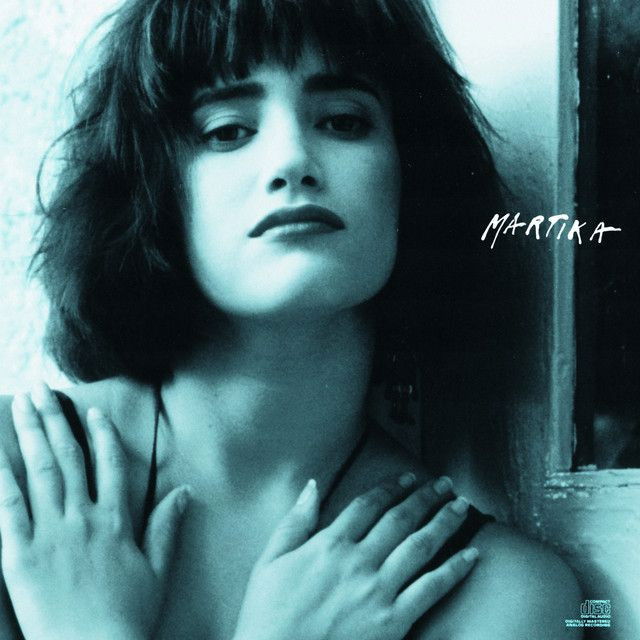
Released as a single from Martika’s self-titled debut album in 1989, the song was co-written by Martika and Michael Jay, who also produced it. It went to No. 1 on the US Billboard Hot 100 for two weeks, showing how a deeply uneasy song could still connect with a mainstream audience. Those facts are widely documented in major references on the song’s release and chart run.
The Heart of the Song Is Addiction
Factually, Martika explained that she wrote the song about a friend dealing with cocaine addiction. That artist context matters because it anchors the lyrics in a real emotional fear rather than a vague metaphor.
The verses describe someone who may have opened the door to danger without understanding the outcome. When the lyric mentions temptation and a heart that takes the fall
, the song frames addiction as something that feels voluntary at first and then becomes overpowering.
Interpretation: The speaker is not only observing another person’s damage. They also sound close enough to feel guilt, worry, and even personal risk. That is why the song feels intimate instead of preachy.

Watch the official Toy Soldiers
music video
Why the Chorus Feels So Creepy and Sad
The chorus is the song’s masterstroke. On paper, phrases like step by step
and we all fall down
sound like a playground chant. In context, they describe a pattern of decline.
That contrast is what makes the song haunting. The image of toy soldiers suggests rigid movement, lost freedom, and lives treated like objects. People are no longer acting with full control; they are being moved by a destructive force.
There is also a collective feeling in the hook. The line we never win
broadens the message beyond one friend. Addiction becomes a battle that harms families, friends, and whole circles of people.
Step by step
Heart to heart
Left, right, left
We all fall down
Even in this brief section, the writing moves from closeness to marching to collapse. That arc is a big reason the chorus stays in listeners’ heads.
A Story of Guilt, Warning, and Fear
The first verse sounds like an apology. The speaker says they did not mean to mislead anyone, which hints at blurred responsibility. Maybe they introduced someone to a harmful scene. Maybe they simply failed to see the danger in time.
Then the song turns inward. The later verse describes mornings that are hard to face and a mind that will not settle. When the lyric reaches Only emptiness remains
, the song names addiction’s emotional result with striking simplicity.
Interpretation: One strong reading is that the speaker moves from witness to near-participant. They are not speaking from a safe distance. They understand that if the cycle continues, they could be next.
How the Sound Deepens the Meaning
“Toy Soldiers” works because the production never lets the listener relax. The tempo is slow, and the arrangement leaves space around Martika’s voice. The keyboards, drums, and guitar build a moody pop atmosphere that feels suspended between lullaby and nightmare.
One of the most famous touches is the children’s choir at the opening and in the chorus. That choice gives the song an innocent surface, but it also makes the subject feel darker. Critics have often noted that the childlike sound creates a chilling contrast with the song’s addiction theme.
Martika’s vocal also matters. She sings with restraint rather than melodrama, which makes the fear sound believable. Instead of over-selling pain, the performance lets dread slowly rise.
The Artist Context Behind the Message
Martika was not presenting herself as a hardened social commentator. She was a young pop artist with a background in acting and television, including Kids Incorporated, which makes the seriousness of the song even more striking.
That contrast likely helped the song stand out in 1989. Listeners may have expected glossy teen pop, but they got something bleaker and more mature. The result was a crossover hit that earned strong chart peaks in the United States, the United Kingdom, Australia, and other markets.
Its afterlife has been strong too. Eminem later sampled the chorus for “Like Toy Soldiers,” though that song uses the hook for a different subject. The original remains powerful because its emotional core is so clear.
One Song, More Than One Reading
The most supported reading is addiction. Still, listeners sometimes hear the song more broadly as being about toxic influence, emotional dependency, or any cycle that slowly takes away agency.
That wider interpretation works because the imagery is flexible. Marching, falling, being torn apart, and feeling empty can apply to many forms of self-destruction. But Martika’s own explanation gives the addiction reading the strongest foundation.
Why It Still Connects Today
The meaning of Toy Soldiers Martika lasts because the song does not describe addiction as thrilling. It shows it as sad, repetitive, and dehumanizing. The toy soldier image turns a private struggle into something instantly visible.
Just as important, the song mixes empathy with warning. It understands how people get pulled in, yet it never hides the cost. That balance is why the record still feels moving decades later.
Disclaimer: This interpretation is based on the lyrics, the recording, and documented comments from Martika and other sources. As with any song, listeners may connect with it in different ways.








