What 'Independence Day' by Martina McBride Means
The meaning of Independence Day Martina McBride is often misunderstood because the title and chorus sound patriotic at first. But the song is really a dark story about domestic violence, a town that stays silent, and a mother’s desperate bid for freedom.
"Independence Day" - Martina McBride
Though she looked a little worried and weak
She tried to pretend he wasn't drinkin' again
Loading lyrics...
Unable to load lyrics
We're unable to display the lyrics at this time. Please try again later.
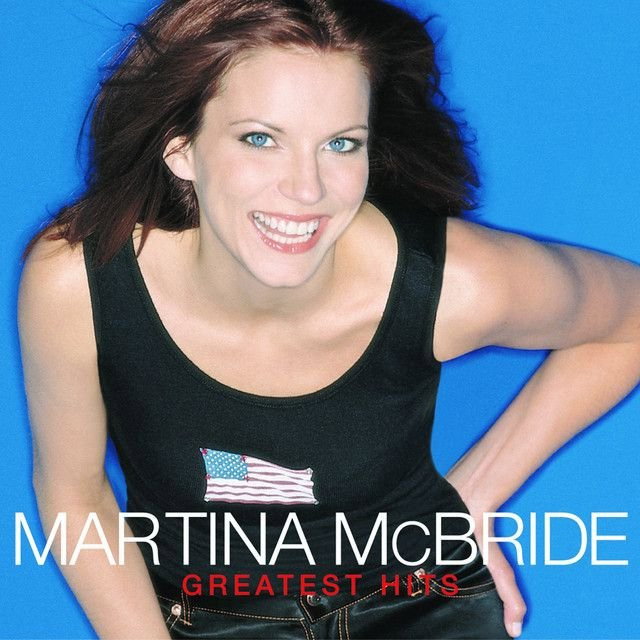
Recorded by Martina McBride and written by Gretchen Peters, the song appeared on The Way That I Am and was released as a single in 1994. It later became one of McBride’s signature songs and won major CMA honors. According to reporting by Rolling Stone, it was also widely misread as a Fourth of July anthem, even though its story is much more painful and specific.
The Real Story Hiding Behind the Fireworks
At its core, the song follows a daughter remembering abuse inside her home. Early lines show the mother trying to hide what happened, but the image of proof on her cheek
makes the truth impossible to miss. The father is drinking again, the child sees more than adults think, and fear shapes the whole scene.
The setting matters. This is not just one violent household; it is a small town where people seem to know what is happening. The song suggests gossip travels fast, but real help never comes. When the narrator recalls how people talked and still looked away, the song broadens from family tragedy to social failure.
Interpretation: The track is not only about one abuser. It is also about the bystanders who let abuse continue because intervention feels inconvenient, risky, or private.

Watch the official Independence Day
music video
Why the Chorus Sounds Patriotic on Purpose
The chorus uses phrases like Let freedom ring
and white dove sing
, which can sound like a national celebration. That is the trap the song sets for the listener. It borrows public language of liberty and turns it into a cry for personal survival.
That double meaning is the key to the meaning of Independence Day Martina McBride. July 4 is the nation’s Independence Day, but in the song it also becomes the mother’s personal day of release. Rolling Stone noted that this layered title is exactly why so many listeners heard the hook before grasping the story.
There is also a moral shake in lines like day of reckoning
. The chorus does not simply ask for peace. It asks for justice. Freedom here is not abstract. It comes after violence, fear, and a breaking point.
A Child’s Voice Makes the Song Hurt More
One reason the song lands so hard is its narrator. The story comes from a daughter looking back, not from the mother herself. That choice creates distance, but it also creates innocence. The child notices details, not speeches.
They remember being young, feeling in the way, and escaping to the fair while chaos builds at home. That small, childlike movement gives the song its tragic shape: the daughter leaves for something ordinary, then returns to a life permanently changed.
Talk about your revolution
It’s Independence Day
These closing words do not sound triumphant in context. They sound stunned. The daughter is trying to name something too large and too painful for easy judgment.
The Ending Refuses to Be Simple
The most dramatic moment is the mother who lit up the sky
on the Fourth of July. The house fire is both literal plot point and symbol. On the surface, it ends the abuse. On a deeper level, it shows how trapped the mother has become: freedom arrives through destruction.
Importantly, the song does not present that act as clean or heroic. It leaves moral discomfort in place. Gretchen Peters has said she struggled with the ending and did not want to over-explain it, a detail reported by Rolling Stone. That restraint is part of why the song stays haunting.
Interpretation: The song suggests that when communities ignore abuse long enough, the available choices become terrible ones. It does not ask listeners to cheer the fire. It asks them to confront the conditions that made it seem like the only exit.
How the Music Carries the Message
The production helps the story hit harder. Factual accounts credit Paul Worley, Ed Seay, and Martina McBride as producers, with the track released from The Way That I Am in 1994. Rolling Stone reported that Worley sped up the feel, added a propulsive guitar figure, and used touches like church bells to give the song momentum without burying the lyrics.
That balance matters. The verses feel tense and narrative-driven, while the chorus opens wide and sounds almost anthemic. McBride’s vocal performance bridges both sides. They sing the story with control, then push the chorus upward until private pain sounds like public testimony.
This may explain the song’s unusual legacy. It reached No. 12 on Billboard’s Hot Country Songs chart, won CMA Video of the Year in 1994, and won CMA Song of the Year in 1995. More importantly, McBride later said many survivors wrote to tell her the song helped them leave abusive situations, according to Rolling Stone.
Why the Song Still Matters
The song still resonates because it exposes a pattern that remains familiar: abuse hidden in plain sight, public language masking private suffering, and a child left to carry memory long after adults fail. It also shows why some listeners misheard it. If they only catch the chorus, they may miss the wound underneath.
That is why the meaning of Independence Day Martina McBride still feels powerful today. It turns a national symbol into a deeply personal one and asks what freedom costs when help comes too late.
This article offers an interpretation based on the lyrics, credited reporting, and the song’s public history. As with any work of art, individual listeners may hear additional meanings.









