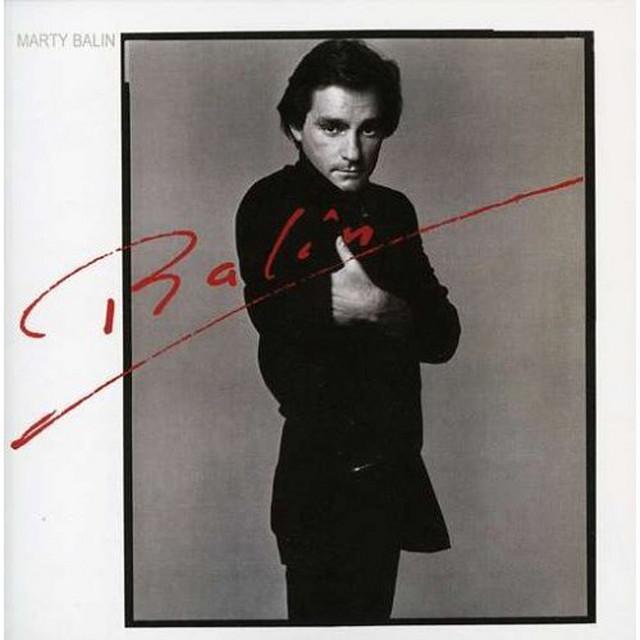
Hearts by Marty Balin
The meaning of Hearts Marty Balin centers on a simple but painful truth: sometimes love ends before the feelings do. The song follows a speaker who reaches across distance, memory, and regret to ask whether an old connection still matters. What makes it hit so hard is how ordinary the words are. There is no drama, no anger, and no blame. Instead, the song lives in the quiet space after a breakup, where someone still hopes, still wonders, and still hurts.
"Hearts" - Marty Balin
How lost I feel without you
Miles away I really can't believe I'm near
Loading lyrics...
Unable to load lyrics
We're unable to display the lyrics at this time. Please try again later.
Marty Balin, known as a co-founder of Jefferson Airplane, recorded “Hearts” for his 1981 solo album Balin. Written by Jesse Barish, the song became one of Balin’s biggest solo hits, reaching the pop charts during the soft-rock era. That context matters: this is not a breakup song built on bitterness. It is polished, warm, and deeply human.
The Song’s Core Wound
At its heart, the song is about emotional unfinished business. The speaker checks in with an ex and tries to sound calm, but every line reveals that they are still attached. When they ask if everything alright
, the question sounds polite on the surface. Underneath, it carries fear, longing, and a wish to reopen contact.
The early lines about feeling lost and being far away show that separation is both physical and emotional. They are not just in another place; they are stuck in another phase of life, unable to move on. The phrase miles away
suggests distance, but the stronger point is that distance has not weakened feeling.

Watch the official Hearts
music video
A Chorus About What Love Cannot Control
The chorus explains the song’s worldview in plain language. Love does not always last, and broken relationships do not always heal. The repeated idea that hearts can break
and that love can fade away
gives the song its emotional center. It is not cynical, though. It sounds sad, accepting, and almost surprised by how fragile love can be.
Hearts could cry
when love won't stay forever
Those lines matter because they shift the song from one person’s story to a broader truth. The breakup is personal, but the chorus says this happens to many people. Interpretation: that wider perspective is why the song feels comforting even as it hurts. It tells listeners that heartbreak is not a failure; it is part of being human.
The Speaker Is Still Reaching Back
In the second verse, the speaker wants to know whether the past is still alive for the other person. They ask if the former partner remembers how they once loved each other and whether they might return. This is where the song becomes especially revealing: they are not calling just to reminisce. They are testing the possibility of reunion.
That makes the song less about closure than suspended hope. Even while the chorus admits that hearts break, the verses keep searching for an exception. The speaker wonders if the other person has found yourself a new love
, which adds jealousy and dread without ever turning mean.
Regret Drives the Final Verse
The last verse gives the clearest reason the breakup still hurts. The speaker says they wrote the song because they miss the person, but more importantly, they are haunted by what they did not say. That detail turns sadness into regret.
This is one of the strongest parts of the meaning of Hearts Marty Balin. The song is not only about losing love. It is about realizing, too late, that chances were wasted. The pain comes from silence as much as separation. They can still remember the unsaid words, and memory keeps replaying them.
How the Sound Softens the Pain
“Hearts” works because its production supports the lyric’s restraint. On record, the arrangement is smooth and spacious, with a soft-rock polish common to early-1980s radio. Balin’s vocal is gentle rather than theatrical, which makes the song feel intimate. He sounds like someone trying to keep composure during a difficult call.
The keyboards and steady rhythm create a floating quality, almost like emotional drift. Nothing in the arrangement pushes too hard. That matters because the song is about feelings that linger, not feelings that explode. According to chart history documented by Billboard, the single connected with mainstream listeners, likely because its sound made heartbreak feel approachable instead of overwhelming.
Artist Context Changes the Reading
Balin had long been associated with the more psychedelic and rock-oriented world of Jefferson Airplane and later Jefferson Starship. In his solo work, they moved further into melodic adult pop. That shift helps explain why “Hearts” feels so direct. Rather than hiding emotion behind surreal imagery, the song says plainly what many listeners think after a breakup but rarely say aloud.
Because Jesse Barish wrote the song, the track also shows Balin’s skill as an interpreter. He does not just sing the words; he gives them a weary tenderness. Interpretation: that performance is why the song feels believable. The listener hears not only sadness, but maturity.
Why “Hearts” Still Connects
The song lasts because it understands that heartbreak is often quiet. People do not always slam doors or make speeches. Sometimes they call, wonder, remember, and replay old mistakes. “Hearts” captures that emotional routine with unusual grace.
For many listeners, its message is both hard and healing: love can be real, and still not survive. Yet the song never mocks that love. It treats it with care. That is why the meaning of Hearts Marty Balin remains powerful decades later. It is a song about loss, but also about honesty—about finally admitting how much someone mattered.
Final Thought
“Hearts” is best heard as a tender reflection on distance, regret, and the limits of love. Interpretation: its real subject may be acceptance, but acceptance arrived before healing did.
Disclaimer: This interpretation is based on the recorded lyrics, musical context, and available release history. Like all song meaning analysis, some readings remain subjective.







