Why “The Master’s Call” Still Hits Hard
The meaning of The Master's Call Marty Robbins starts with a simple but powerful idea: a person can be changed in a single moment. Marty Robbins tells that story through a Western setting, but the song is really about guilt, mercy, and spiritual surrender.
"The Master's Call" - Marty Robbins
A youth within my teens, but full of challenge and desire
I ran away from home and left my mother and my dad
Loading lyrics...
Unable to load lyrics
We're unable to display the lyrics at this time. Please try again later.
In the lyric, the narrator looks back on a reckless youth, crime, and a life that drifted far from home. Then a violent storm interrupts a cattle theft and becomes the setting for a religious awakening. What makes the song endure is that Robbins does not present redemption as calm or easy. It arrives through fear, shock, and a direct sense of being judged.
An Outlaw Ballad Becomes a Testimony
On the surface, the song follows a cowboy criminal who joins an outlaw band and helps steal cattle bound for Mexico. Robbins frames that past as morally lost long before the storm begins. When the singer admits he was wild and full of fire
, the phrase does more than describe youth. It signals pride, impulsiveness, and a belief that consequences can be outrun.
That setup matters because the song is not just about danger on the trail. It is about a man already headed toward collapse. The line about hearing my Master's call
gives the whole narrative its shape: this is a conversion story told as a frontier drama.
Interpretation: Robbins uses the language of the American West to make a Christian testimony feel vivid and physical. Sin is not abstract here. It has hoofbeats, lightning, mud, and panic.

Watch the official The Master's Call
music video
The Storm Is the Turning Point
The central scene begins during a nighttime cattle drive. A norther blows in, lightning cracks overhead, and the narrator senses that someone is calling to him. The weather is not just background. It acts like a force that strips away his self-control.
The song’s most striking image comes when lightning leaves behind a giant cross
. Soon after, another flash reveals the face of Jesus Christ
. These are not subtle images, and Robbins does not want them to be. He builds the conversion around unmistakable signs because the narrator needs an unmistakable break with his past.
Oh Lord forgive me
I want to live for You alone
That brief prayer is the emotional center of the song. Before it, the narrator is reacting to danger. After it, he is confessing and making a vow.
What the Song Is Really Saying
At its heart, the meaning of The Master's Call Marty Robbins is not just that a sinner becomes religious. It is that grace arrives when the narrator fully understands his own helplessness.
He is thrown from his horse, surrounded by a stampede, and convinced death is near. In that moment, his past unfolds before him, and he sees his wasted years all at once. The song suggests that real repentance starts when a person stops bargaining with their image of themselves.
Then comes the miracle. The dead cattle form a barrier that protects him from the rest of the stampede. That image turns destruction into rescue. What should have killed him becomes the means of survival.
Interpretation: This reversal is the key symbol in the song. Robbins presents divine mercy as something that does not erase danger but transforms its meaning.
Faith, Judgment, and Mercy in the Details
Several themes run through the lyric:
- Reckless youth: the narrator leaves home and rejects his parents' values.
- Moral consequence: outlaw life leads toward ruin, not freedom.
- Divine confrontation: the storm forces him to face what he has become.
- Forgiveness: the song ends not in punishment but in pardon.
The final verses shift from terror to peace. Once the singer says his soul is set free, the language softens. Earlier, the world is full of lightning, running cattle, and fear. By the end, it opens into forgiveness and lasting love.
That movement is why the song feels emotionally complete. It starts as a confession, rises into crisis, and resolves as testimony.
How Marty Robbins’s Style Deepens the Meaning
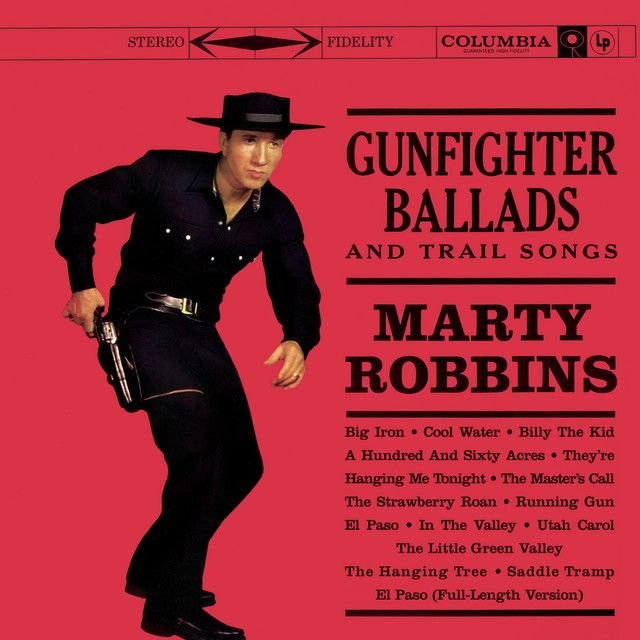
Robbins was one of country music’s great storytellers, especially on Western songs. His 1959 album Gunfighter Ballads and Trail Songs helped define that side of his catalog, and “The Master’s Call” fits that world even though its message is explicitly religious.
The arrangement supports the lyric’s seriousness. The song uses a measured country-Western pace rather than a frantic one, which lets the story unfold clearly. Acoustic guitar, restrained accompaniment, and Robbins’s clean vocal delivery keep the focus on the narrative. He sings the conversion not as wild spectacle but as firm witness.
That choice matters. A more dramatic performance might have pushed the song into melodrama. Robbins keeps it grounded, which makes the miracle feel more personal and believable within the song’s world. His broader legacy as a country storyteller is well documented by the Country Music Hall of Fame.
Why the Song Still Connects
Part of the song’s staying power comes from its blend of genres and emotions. It is a cowboy ballad, a moral tale, and a statement of faith at the same time. Listeners do not need to share the narrator’s beliefs to understand the drama of a person confronting the worst version of himself.
It also speaks to a classic American theme: the hope that no life is too far gone to be redirected. Robbins gives that hope a vivid setting, but the core feeling is universal.
The Lasting Meaning Behind the Call
In the end, the meaning of The Master's Call Marty Robbins is about redemption after moral collapse. The storm, the cross, the vision, and the barricade of dead steers all point to one conclusion: the narrator believes he was spared so he could become someone new.
That is why the song still lands. It does not merely describe belief. It dramatizes the instant when belief becomes surrender.
Disclaimer: This interpretation is based on the lyrics, performance, and available artist context. As with any song, listeners may hear personal meanings that differ from this reading.









