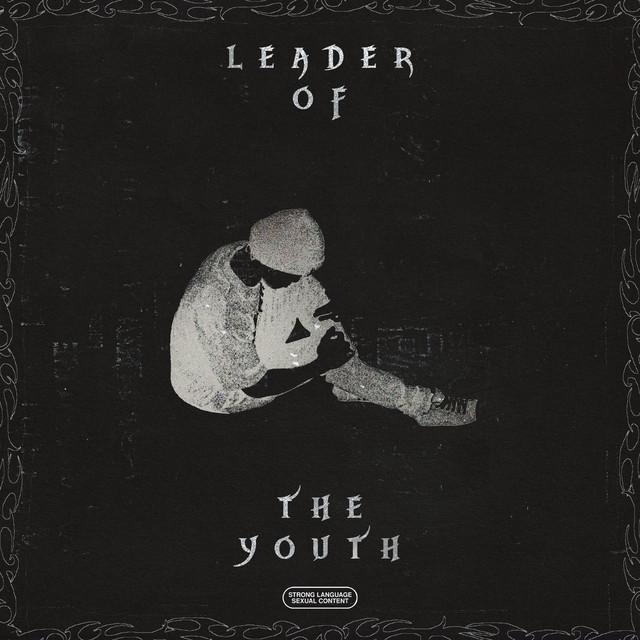
Why “Raf Simons” by Maru Nesta Hits So Hard
The meaning of Raf Simons Maru Nesta comes down to a familiar but effective rap idea: success is not just about money. In this song, they frame status as proof of survival, loyalty, and self-made progress.
"Raf Simons" - Maru Nesta
Yeah
Yeah
Loading lyrics...
Unable to load lyrics
We're unable to display the lyrics at this time. Please try again later.
Rather than tell a detailed story from start to finish, the track stacks images of smoking, designer clothes, street ambition, and distrust. Those details build a portrait of someone who came from struggle, made something of themselves, and now treats every public flex as evidence that they earned their place.
A key factual detail is that the song was written by Malcolm Jones, according to the information provided. The title points to designer fashion, but the song itself is broader than style alone. “Raf Simons” uses luxury brands as symbols of arrival.
More Than a Fashion Name
On the surface, the title highlights designer wear. When Maru Nesta mentions Raf Simons
and Rick Owens, they are not only listing brands. They are signaling taste, rank, and the ability to access things once out of reach.
That matters because the song repeatedly contrasts present success with a rougher past. The line about getting it out da mud
is a common rap phrase, but it still does important work here. It tells listeners that the flex is meant to be read as earned, not inherited.
So the song’s luxury imagery is really social language. Clothes, jewelry, and movement through different cities and neighborhoods become visual proof that they climbed upward.
The Core Message: Hustle, Loyalty, and Distance
At its center, the song is about three linked ideas:
- building success through hard work
- staying loyal to their people
- pushing away fake love and envy
They make that clear by pairing brags with defensive energy. The confidence is loud, but it is never fully relaxed. When the song says they could not care less if others are not supportive, that is not pure arrogance. It sounds like a response to disappointment.
The phrase showing love
helps reveal that emotional layer. They want respect, but they also expect betrayal, jealousy, or insincerity. That tension gives the song more bite than a simple victory lap.
A Speaker Who Flexes and Guards
The voice of the song is first person, but the emotional stance is split. On one side, they present themselves as a young boss
with money, style, and motion. On the other, they are watchful and easily irritated by people around them.
That split creates the personality of the record. They are not just celebrating. They are protecting what they built.
One of the more revealing moments comes when they mention feeling so gone they almost lost their mind. It is brief, but it opens a crack in the song’s hard surface. Beneath the swagger is exhaustion, pressure, or the mental cost of fast living.
“Where you at
Who you wit
Who yo gang
Who yo clique”
This short sequence shows how much social sorting matters in the song’s world. People are judged by affiliation, loyalty, and proximity. It also adds a paranoid edge: everyone must be identified before they can be trusted.
How the Hook Reinforces the Meaning
The chorus repeats the song’s main self-image: they are smoking, moving, flexing, and standing firm in their status. Because the hook returns to those same ideas, it turns lifestyle into identity.
That repetition matters. In many rap songs, a hook is where emotion gets simplified into a slogan. Here, the slogan is basically this: they made it through hardship, and now they will be seen.
The references to city and hood suggest mobility too. They can appear anywhere and carry that image with them. In other words, success is portable, and reputation travels.
Why the 50 Cent Reference Matters
The clearest outside reference is the nod to Get Rich Or Die Tryin'
. That line connects Maru Nesta’s song to a longer rap tradition where survival and wealth are treated as twin goals.
This is useful for understanding the meaning of Raf Simons Maru Nesta. The song is not only about looking good. It places luxury inside a harsher value system: get paid, stay alive, and never lose standing.
That also makes the fashion title sharper. Designer clothing becomes the modern trophy for an old rap mission. The mission is bigger than aesthetics; the aesthetics are just the visible reward.
Sound, Flow, and Emotional Pressure
Without verified production credits, it is safest to focus on the performance and likely musical effect rather than claim technical specifics. The lyrics suggest a trap-centered approach, where repetition and blunt phrasing create momentum.
That style fits the message well. Short, hard lines make every boast feel immediate. Repeated images of smoking, stacking money, and dressing well create a hypnotic cycle, almost like they are talking themselves deeper into their own identity.
Their delivery also appears built on contrast: cool flexes alongside threat, pride alongside agitation. That emotional mix is why the track does not feel soft or reflective, even when it hints at loneliness and mental strain.
The Deeper Interpretation
Interpretation: one reading is that “Raf Simons” is a song about external style covering internal instability. The speaker keeps naming wealth markers because those markers help stabilize a life that once felt chaotic.
Interpretation: another reading is that the song is about community obligation. They do not only want success for themselves. They talk about paving a way for their people, which means status also carries responsibility.
Those two readings can exist together. The flex is personal, but it is also tribal.
Final Take on the Song’s Meaning
The meaning of Raf Simons Maru Nesta is ultimately about using fashion, money, and presence as proof of survival. The song argues that success must be visible, especially when it came from hardship.
What makes it land is the tension underneath the bragging: loyalty matters, fake support is rejected, and the past still shadows the present. The result is a track where style is never just style. It is armor, reward, and message all at once.
Disclaimer: This interpretation is based on the lyrics provided and publicly observable rap conventions. As with any song, meaning can vary by listener unless the artist has explained it directly.







