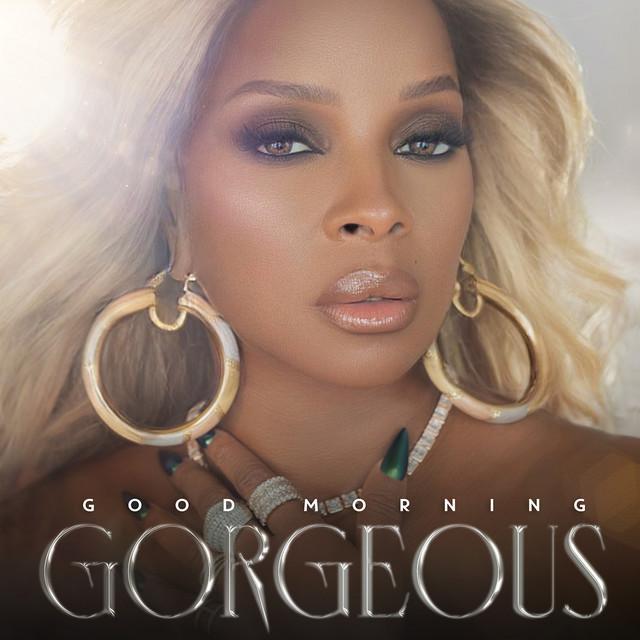
Why ‘Good Morning Gorgeous’ Hits So Deep
Mary J. Blige has long made songs that turn pain into survival. The meaning of Good Morning Gorgeous Mary J. Blige follows that tradition, but it does so with unusual gentleness. Instead of fighting an ex, calling out betrayal, or pushing through heartbreak, they sing about the hard work of liking the person in the mirror.
"Good Morning Gorgeous" - Mary J. Blige
Oh (oh)
It's so hard just holding on
Loading lyrics...
Unable to load lyrics
We're unable to display the lyrics at this time. Please try again later.
This 2021 single, released as the lead track from Blige’s 14th studio album, is a downtempo R&B ballad written by Blige, D’Mile, H.E.R., Lucky Daye, and Tiara Thomas, with production by D’Mile and H.E.R., according to the song’s Wikipedia entry. That team matters, because the song sounds intimate, modern, and classic at once. It is built less like a dramatic confession than a daily ritual.
The Core Message Behind the Mirror
At its heart, the song is about self-worth after emotional exhaustion. The verses describe a person who feels worn down, isolated, and stuck in negative thoughts. When Blige sings phrases like holding on
and feeling empty
, they are not describing one bad day. They are sketching a pattern of inner struggle.
Then the chorus shifts the frame. The answer is not a grand transformation. It is a repeated act of self-recognition: Good morning gorgeous
. That line sounds simple, but the song treats it like medicine. They are saying that healing may start with how someone speaks to themselves before the rest of the world gets a chance.

Watch the official Good Morning Gorgeous
music video
From Self-Criticism to Self-Compassion
One of the song’s strongest ideas is that the deepest wound may come from inside. The second verse looks backward at years of harsh self-judgment. Blige admits to times they hated myself
and wished to be someone else. In plain terms, the song is about learning that self-neglect can be as damaging as anything done by other people.
Interpretation: This is why the chorus feels so powerful. It is not vanity. It is repair. When they say the greeting in the mirror, they are replacing an old voice of shame with a new voice of care.
That distinction becomes even clearer near the end, when the song says this is not about beauty routines or public image. The point is not makeup, styling, or looking perfect. It is what happens soon as I wake up
. The affirmation comes before performance. That makes the message more universal and more honest.
How the Song’s Structure Builds Meaning
The song unfolds in a clear emotional arc:
- It opens in fatigue and doubt.
- It names the damage of self-criticism.
- It offers a repeated affirmation as a lifeline.
- It ends by redefining beauty as inner peace.
That movement is why the chorus lands so strongly. The early lines are heavy with struggle, including a plea for peace on a mental, spiritual, and physical level. By the time the hook returns, the same phrase carries more weight. It is not just catchy. It sounds earned.
I wake up every morning and tell myself
Good morning gorgeous
Sometimes you gotta look in the mirror and say
Good morning gorgeous
Even in this brief section, the song links self-talk to survival. The mirror is not there for vanity; it is there for witness.
The Sound of Comfort, Not Spectacle
Production plays a major role in the meaning. Critics noticed that too. Clash called it a brief anthem of self-love, while Variety described its mirror affirmation as especially impactful. Those reactions fit the music itself.
The arrangement is restrained: soft percussion, finger snaps, gentle guitar, layered backing vocals, and plenty of open space. H.E.R.’s guitar and background work help give the track warmth without clutter. Instead of building toward a huge vocal explosion, the song stays close and steady.
That choice matters. A louder production might have turned the song into a motivational slogan. This one keeps it human. The airy mix and unhurried tempo make the listener sit with the vulnerability first. Only then does the hook begin to feel strong.
Mary J. Blige’s Career Context Matters
Blige’s voice carries decades of history. They became famous by blending hip-hop soul with raw emotional honesty, often singing about heartbreak, trauma, resilience, and dignity. Because of that legacy, “Good Morning Gorgeous” feels bigger than one affirmation. It sounds like an artist taking everything they have survived and boiling it down to one daily practice.
That context also helps explain the song’s reception. It topped Billboard’s Adult R&B Airplay chart and later earned Grammy nominations, while the RIAA Gold certification confirmed strong long-term reach. Listeners likely connected with it because it feels specific to Blige, yet widely relatable.
A Personal Prayer With Public Reach
Interpretation: The song can be heard in two ways at once. First, it is a private prayer, almost whispered, from one person to themselves. Second, it works like a public affirmation offered to anyone who has ever struggled with self-image, loneliness, or emotional burnout.
That double meaning is one reason the song lasts. Blige is singing to themselves, but they are also modeling a practice listeners can borrow. The title phrase becomes a tool. It asks a simple question: what if the first voice someone hears each day is kind?
Why the Message Still Resonates
The meaning of Good Morning Gorgeous Mary J. Blige is not complicated, but it is deep. The song argues that healing often begins with small, repeated acts of mercy toward the self. Its power comes from the gap between how easy the words sound and how hard they can be to believe.
Blige turns that gap into the whole song. They begin in emptiness and end with a ritual of self-respect. The result is an R&B ballad that feels both fragile and strong.
In the end, “Good Morning Gorgeous” is less about confidence than recovery. It teaches that before anyone can feel beautiful, they may first need to feel safe inside their own voice.
Disclaimer: This interpretation is based on the lyrics, released credits, and public commentary. Like all songs, it can hold different meanings for different listeners.








