Why “Acknowledge” Is Masta Ace at His Sharpest
The meaning of Acknowledge Masta Ace starts with respect. This is not a reflective story song or a loose freestyle. It is a direct warning shot from a veteran MC who feels his name has been used too casually. Masta Ace turns that anger into a performance about rank, skill, and rap credibility.
"Acknowledge" - Masta Ace
Yeah, one-two..
"..Acknowledge the rep" -> Nas
Loading lyrics...
Unable to load lyrics
We're unable to display the lyrics at this time. Please try again later.
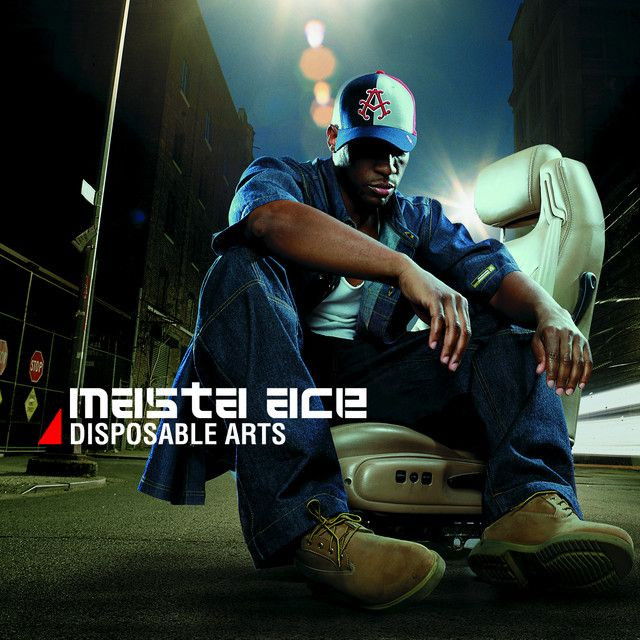
Factually, the song came out on Disposable Arts in 2001, and it grew out of a real dispute involving Boogieman, with extra shots aimed at The High & Mighty, as noted in Ace’s career history and album context. Ace, a Brooklyn rapper first known from the Juice Crew era, had already built a reputation for technical control long before this track. That history matters because the song is really about defending status, not chasing it.
A Diss Track Built Around Demanding Respect
At its core, “Acknowledge” says that some rappers forgot who they were dealing with. The repeated hook idea, borrowed from Nas, pushes one message: Pay homage, respect
and Acknowledge the rep
. Before and after those phrases, the song keeps paraphrasing the same point in harsher terms: Ace believes newer or lesser rivals are speaking out of turn.
This makes the song feel bigger than one argument. It becomes a statement about hip-hop hierarchy. Ace is not just saying, “You insulted me.” He is saying, “You insulted the work, history, and skill that gave me my place.”
Interpretation: That is why the track still lands even if a listener does not know every target. The emotional center is easy to follow: a respected artist refusing to let his name become casual material for other people’s publicity.

Watch the official Acknowledge
music video
Who He Is Talking To—and Why It Matters
The verses attack specific rivals, but the audience is wider than that. Ace is also talking to the rap scene itself. When he mocks fake toughness and weak records, he is putting standards on trial.
He frames his opponents as people trying to gain fame by mentioning him. A phrase like gain attention
shows his view that the diss is strategic, not earned. Later, when he calls others real pro
by comparison, he draws a line between experienced craftsmanship and empty noise.
That line matters in the context of Ace’s career. By 2001, he was returning in a strong underground lane after years away from the mainstream spotlight. Disposable Arts is now widely seen as one of his key albums, and “Acknowledge” works like a reintroduction: if anyone forgot, Ace is here to remind them.
How the Lyrics Turn Battle Rap Into Character Study
One strength of the song is how often Ace makes insults reveal personality. He does not only call his rivals weak. He paints them as desperate, delusional, and artistically second-rate. That makes the diss feel crafted rather than random.
A short stretch captures his method:
I got one lyric
pointed at your head
Another one
your weak ass heart
Even there, the point is not violence for its own sake. It is about precision. Lyrics are treated like aimed weapons, and the target is both intellect and ego. In battle rap terms, Ace wants to outthink and embarrass his opponents at the same time.
He also uses humor as a weapon. Several lines are funny because they shrink the enemy. Instead of presenting them as dangerous, he presents them as unworthy. That is a smart battle move: if the rival looks ridiculous, they become less threatening.
The Beat Helps Sell the Threat
Production matters a lot to the meaning of Acknowledge Masta Ace. The song has the feel of hard New York underground rap: stripped-down, punchy, and built to keep the focus on the voice. The Nas vocal sample in the hook adds ceremony. It sounds like a public announcement, almost as if the culture itself is backing Ace’s claim.
The rhythm leaves enough space for every insult to land. There is no lush melody softening the mood. Instead, the beat works like a ring or stage where each line gets spotlighted. That makes Ace’s timing more important. He uses pauses, emphasis, and sharp internal rhyme to sound controlled rather than messy.
Interpretation: That control is part of the song’s argument. Ace does not just say he is better. He performs superiority through breath, structure, and punchline placement.
More Than Anger: A Song About Reputation
Under the threats and jokes, the real subject is reputation. Ace fears neither competition nor response. What he rejects is disrespect from artists he sees as beneath him. That is why the hook’s demand for acknowledgment matters so much. It turns a rap feud into a fight over legacy.
There is also a subtle generational theme. Ace came from an earlier New York rap tradition where name, skill, and battle standing carried huge weight. “Acknowledge” sounds like an older, proven MC correcting artists who confuse noise with stature.
That does not mean listeners have to agree with every insult. But it does explain why the song feels so forceful. The anger is tied to identity. If Ace lets the disrespect slide, the song suggests, he would be allowing others to rewrite his place in hip-hop.
Why the Song Endures
Part of the reason “Acknowledge” still gets discussed is simple: it is a very well-made diss record. It is direct, memorable, and technically sharp. But it also lasts because it fits Masta Ace’s larger image as a highly skilled, often underappreciated MC.
In that sense, the song is both attack and self-definition. He uses the feud to remind listeners what makes him dangerous: craft, wit, and complete confidence in his own standing.
For anyone asking about the meaning of Acknowledge Masta Ace, the short answer is this: it is a demand for earned respect, delivered by a rapper who believed his rivals had mistaken patience for weakness.
Disclaimer: This interpretation is based on the song’s lyrics, performance, and publicly documented context. As with any art, some meanings remain open to listener interpretation.







