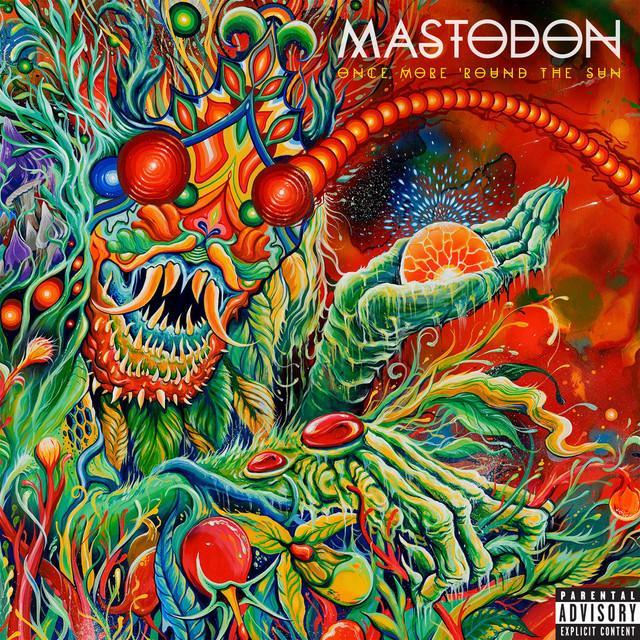
Asleep in the Deep by Mastodon
Why This Song Feels Haunted but Hopeful
The meaning of Asleep in the Deep Mastodon comes through as a struggle with fear, memory, and survival. On the surface, the song sounds like someone protecting a home from darkness. Under that, it feels like a person trying to keep panic, grief, or old emotional damage from taking over.
"Asleep in the Deep" - Mastodon
The demons, they all went away
Be careful, they're only asleep for a while
Loading lyrics...
Unable to load lyrics
We're unable to display the lyrics at this time. Please try again later.
That double meaning is what makes the track powerful. Mastodon often mix vivid images with personal feeling, and here they turn a house into a mind under pressure. Demons, walls, salt, rot, and storm damage all suggest inner trouble that never fully disappears.

Watch the official Asleep in the Deep
music video
The Core Story Hidden in the Imagery
The opening sets the emotional frame. A friend or loved one enters, and suddenly the pressure lifts. The song suggests that comfort can quiet pain, even if only briefly. When they sing the demons
going away, the point is not that the danger is gone forever. The next idea makes that clear: the darkness is only resting.
That is why the title matters. “Asleep” does not mean defeated. It means dormant. The problems are still there, waiting.
A House That Stands in for the Self
Much of the song uses home-repair language to describe emotional defense. They mention actions like sealing corners, building walls, and digging out decay. In plain terms, the narrator seems desperate to secure a damaged inner world.
When they describe dig out the rot
, the image points to hidden damage that has spread over time. This is not a quick fix. It is deep repair.
Another key phrase is this hole I've made
. That can sound like retreat, depression, or a private shelter. Interpretation: the narrator may be hiding in isolation to transform fear into something manageable.
What the Chorus Adds to the Meaning
The chorus shifts from defense to obsession. Instead of talking about walls and demons, it locks onto one feeling: burning attachment. When they repeat I'm on fire
, the song moves from haunted atmosphere to raw emotion.
That fire can mean love, grief, panic, or all three at once. The repeated thought of not being able to forget someone gives the song its emotional center. This person is not just a helper at the door. They may be the one memory holding the speaker together.
I'm on fire
can't get you out
Those lines are simple, but their repetition makes them heavy. In context, the song sounds less like a romance and more like emotional fixation during a crisis.
Fear, Silence, and Survival
Another striking line is Loose lips
falling on deaf and blind listeners. Paraphrased, the song suggests failed communication. Warnings are missed. Pain is spoken, but nobody really hears it.
That matters because the rest of the track is about trying to survive a private disaster. If help does not arrive, the narrator has to build their own fortress. Later, the song describes an ocean of sorrow
around the home, which expands the scale from one haunted room to an entire emotional landscape.
Still, the ending is not hopeless. The storm does not fully destroy the house. The sun appears, and the song points toward endurance. They may be hurt, but they are still standing.
How Mastodon’s Sound Shapes the Message
This song appears on Mastodon’s 2014 album Once More 'Round the Sun, and Songfacts notes that guitarist Bill Kelliher originally came up with it. Bassist and singer Troy Sanders described it as having a surreal, floating mood while dealing with intense personal issues.
That description fits the music. The guitars are heavy, but they do not simply attack. They swirl. The song has a dreamy pull, with a slow-burn groove that feels suspended between sleep and panic. The drums keep it moving, yet the overall effect is hypnotic rather than chaotic.
This balance is central to the meaning of Asleep in the Deep Mastodon. The arrangement sounds like someone trapped inside a vivid mental state: not calm, not broken, but hovering between both. Even the chorus feels huge without becoming triumphant. It burns, but it does not resolve.
Voices That Feel Like Memory Echoes
The layered vocals make the song feel communal and ghostly at once. Songfacts also reports that Valient Himself contributed background vocals on the chorus. That helps explain why the refrain sounds bigger than one person’s confession. It is like a crowd inside the mind, or memory echoing back from the walls.
The Video Adds Flavor, Not a Fixed Answer
The surreal video became a big part of the song’s public life. As Rolling Stone reported, the clip follows a house cat through a bizarre underworld. Artist Skinner said he imagined a mythic nighttime journey and wondered what cats do while people sleep.
That visual does not necessarily explain the lyrics literally. Instead, it supports their mood: night, mystery, danger, temptation, and a descent into the strange. The cat story turns the song’s emotional undertow into fantasy horror.
Two Strong Interpretations
Interpretation 1: Mental health and relapse. The “demons” are inner struggles that go quiet but never vanish. The house is the self. The storm is a depressive or anxious episode.
Interpretation 2: Love during emotional ruin. The song may be about someone whose presence provides temporary relief, while the singer remains consumed by longing and fear after loss.
Both readings fit because Mastodon leave the song open enough to hold several truths at once.
Final Take on the Song’s Meaning
The meaning of Asleep in the Deep Mastodon is less about one plot than one emotional condition: trying to hold back darkness while clinging to a saving presence. Its house imagery shows damage, defense, and repair. Its chorus reveals obsession and pain. Its sound makes both feel strangely beautiful.
That is why the song lingers. It treats suffering as something that sleeps, wakes, and must be faced again.
Disclaimer: This article offers informed interpretation based on the lyrics, recording context, and available band commentary. Like many Mastodon songs, its meaning remains open to listener perspective.







