Why 'If You're Gone' Feels So Uncomfortably Real
The meaning of If You're Gone Matchbox Twenty comes down to a painful kind of waiting. This is not a loud breakup song. It is a song about sensing the end before the end arrives, then trying to talk through that fear in real time.
"If You're Gone" - Matchbox Twenty
I think you're already gone
I think I'm finally scared now
Loading lyrics...
Unable to load lyrics
We're unable to display the lyrics at this time. Please try again later.
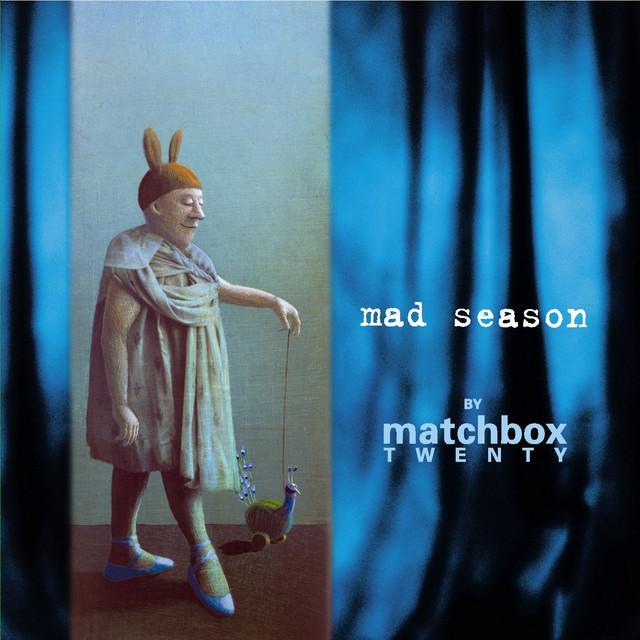
Matchbox Twenty released “If You’re Gone” on Mad Season in 2000, with Rob Thomas credited as the songwriter. The band had already built a reputation for emotionally direct rock songs, and this track leaned into a softer, more exposed sound. That matters, because the song works less like an argument and more like a confession.
A Breakup Song About the Moment Before Goodbye
At its core, the song describes a person who believes the relationship is slipping away. They are not reacting to a clean breakup. They are reacting to signs: distance, tension, and the sense that the other person is halfway out the door.
Early lines make that clear with phrases like already lost you
and hand is on the door
. Those are simple images, but they say a lot. The narrator feels abandoned before the final decision is even spoken.
Interpretation: The real conflict may not just be the partner leaving. It may be the narrator’s own panic. The constant self-correction and repeated thinking suggest someone trapped in their head, turning fear into a loop.

Watch the official If You're Gone
music video
Why the Repeated “I Think” Matters So Much
One of the smartest parts of the writing is how often the narrator says I think
. That phrasing shows uncertainty. They do not fully know what the other person feels, so they fill the silence with guesses, worries, and defensive thoughts.
This matters to the meaning of If You're Gone Matchbox Twenty because the song is full of unstable ground. One second, they accuse the other person of being cruel. The next, they admit fear. Then they wonder if they talk too much or know too much. The song captures what anxiety sounds like when it becomes its own conversation.
The narrator is not fully reliable
That does not mean they are dishonest. It means they are overwhelmed. They might be right that the relationship is fading, but they also seem aware that their own insecurity is affecting how they read the situation.
That is why the song feels human. It does not present one villain and one victim. It presents two people losing their connection, with one of them narrating from inside the panic.
The Chorus Turns Space Into Emptiness
The chorus gives the song its emotional center. On the surface, there is more freedom after someone leaves, summed up in breathing room
. But instead of relief, the narrator says they can hardly function.
If you're gone
maybe it's time to come home
There's an awful lot of breathing room
But I can hardly move
That is the key contradiction. Space should help, but here it only makes absence louder. The relationship may have felt crowded or strained, yet separation does not solve the emotional problem. It deepens it.
Interpretation: “Home” likely means more than a place. It suggests emotional safety, repair, and the version of the relationship that once felt secure.
The Song’s Best Image: Love Changes Identity
Near the chorus, the narrator says there is something me
inside the other person. In plain language, they are saying love leaves traces. When two people spend enough time together, they shape each other.
That idea gives the song extra depth. The breakup is not just about missing company. It is about feeling as if part of the self now lives in someone else. If that person leaves, the narrator is not only losing them. They are losing a piece of who they became with them.
How Matchbox Twenty’s Sound Supports the Meaning
The production is one reason the song remains so effective. Instead of driving hard, the band keeps the arrangement measured and open. The guitars are polished but not aggressive. The rhythm section stays controlled. That leaves room for Thomas’s vocal to carry hesitation, frustration, and pleading.
This softer pop-rock setting fits the lyrics well. A bigger, angrier arrangement might have pushed the song into blame. Instead, the music holds back, which mirrors the emotional state of someone trying not to fall apart while clearly falling apart anyway.
Why the restraint matters
The melody rises during the chorus, but it never explodes into total release. That choice keeps the tension alive. The listener hears need without closure, which matches the story perfectly.
A Wider Reading of the Song
There is also another valid way to hear it. The song can be read not just as a breakup plea, but as a portrait of emotional dependence. The narrator seems to know that needing someone this much is a problem, yet they cannot stop reaching for them.
That reading is supported by the self-aware lines about fear, overthinking, and personal flaws. They do not simply say, “Come back because you are wrong.” They also imply, “Come back because I do not know how to steady myself without you.”
That mix of longing and self-exposure is what gives the track staying power. It is vulnerable without being polished into neat wisdom.
Why the Song Still Connects
The meaning of If You're Gone Matchbox Twenty still resonates because it captures a common emotional truth: sometimes the worst part of loss is the anticipation of it. People often feel a relationship ending before they can admit it aloud.
Matchbox Twenty turned that suspended moment into a memorable song. They made room for fear, contradiction, and the strange weight of empty space.
Disclaimer: This interpretation is based on the lyrics, performance, and known song context. As with most songs, listeners may hear meanings that differ from the ones explored here.







