When Growing Up Means Fighting Back
The meaning of When I Grow Up Matilda the Musical Original Cast starts with a child’s wish, but it does not end there. On the surface, the song sounds sweet and simple. The children imagine adulthood as freedom, safety, and power. They dream of climbing trees, staying up late, eating treats, and handling life without fear.
"When I Grow Up" - Matilda the Musical Original Cast
I will be tall enough to reach the branches
That I need to reach to climb the trees
Loading lyrics...
Unable to load lyrics
We're unable to display the lyrics at this time. Please try again later.
But the song slowly reveals a deeper idea. In Matilda, growing up is not just about getting older. It is about gaining the courage to question unfair rules and change a story that seems fixed.
A Childhood Dream With Sharp Edges
Early in the song, the children describe adult life in playful ways. They think being older means finally being big enough, smart enough, and strong enough. Phrases like when I grow up
and smart enough
show how children often see adulthood as the answer to every problem.
That is why the opening feels so warm. The song gives voice to a common fantasy: adults know everything, fear nothing, and can do whatever they want. In the world of Matilda, that fantasy matters because the children live under rules made by adults who are often careless, cruel, or absurd.
So even the silly details carry weight. The wish to eat sweets every day or stay up late is not only comic. It shows how children measure freedom through small daily choices. To them, control over bedtime, food, and play stands for something much bigger: independence.
Watch the official When I Grow Up
music video
How the Song Fits Matilda’s Story
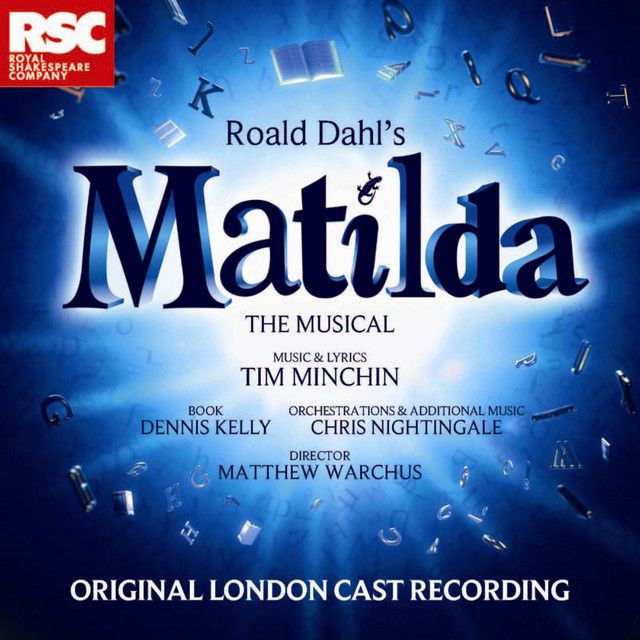
Matilda the Musical is based on Roald Dahl’s novel and features music and lyrics by Tim Minchin. The stage musical premiered with the Royal Shakespeare Company before moving to the West End and Broadway, where this number became one of its emotional centerpieces.
Within the story, the song sits between wonder and pain. The children are still innocent enough to imagine adulthood as magical, yet they already know fear. That is why the lyric about being brave enough
to fight the monsters under the bed matters. It sounds childlike, but it also hints that the real monsters in Matilda are often adults, systems, and ideas that crush children’s voices.
Interpretation: The song suggests that children are not naive because they dream. They are perceptive. They know life is hard, and they imagine adulthood as the moment when they will finally have the tools to face it.
The Turn That Changes Everything
The most important shift comes near the end. The song stops listing childhood wishes and starts speaking directly about injustice. Instead of dreaming about future freedom, it argues that unfairness should not simply be accepted.
Life's not fair
grin and bear it
Nothing will change
These short lines transform the song. The children move from fantasy to moral insight. They reject passive endurance and question the idea that suffering is normal. In a musical full of adults who tell children to obey, stay quiet, or know their place, that message is radical.
This is where the meaning of When I Grow Up Matilda the Musical Original Cast becomes clearest. The song is not saying adulthood solves everything. It is saying that change begins when someone refuses to accept a bad ending as permanent.
A Song About Agency, Not Age
One of the smartest lines in the song is the idea that being in a story does not mean everything is already written. That thought connects perfectly to Matilda as a character. She is a child surrounded by people who try to define her future. Yet she keeps reading, thinking, and resisting.
Interpretation: The song treats adulthood less as a number and more as a mindset. To grow up, in this view, means learning to act instead of waiting for rescue. It means refusing to say that's not right
and then doing nothing.
This also explains why the song resonates far beyond the musical. Adults hear their younger selves in it. Children hear their present fears in it. Both groups recognize the same tension: people want life to become fair on its own, but often it changes only when someone speaks up.
Why the Music Feels So Gentle and So Sad
The production plays a major role in the song’s meaning. The melody is lilting and circular, almost like a playground motion. In stage performance, the children often sing while swinging, creating an image of motion without full escape. They rise and fall, which mirrors the song’s emotional structure: hope lifts them up, reality pulls them back down.
The arrangement stays tender rather than huge. That choice matters. A louder, more triumphant version would make the song sound like a victory anthem. Instead, it feels fragile, wistful, and thoughtful. The children’s voices carry innocence, but the harmony adds a faint ache.
That mix of sweetness and sadness is exactly the point. The music tells listeners that these dreams are real and beautiful, yet also shaped by disappointment. The song does not mock childhood belief. It honors it while showing why that belief exists.
Why Audiences Keep Holding Onto It
Critics and audiences have often singled out Matilda for how it respects children’s intelligence; reviews from outlets like The New York Times noted the musical’s emotional depth. This song is a big reason why. It speaks simply, but it is not simplistic.
Its lasting appeal comes from three connected ideas:
- childhood imagination can carry serious truth
- unfair systems should be challenged, not normalized
- hope becomes powerful when it turns into action
That is why the song remains one of the show’s signature moments. It starts as a dream about being older. It ends as a statement about refusing resignation.
The Lasting Meaning Beneath the Wish
In the end, the meaning of When I Grow Up Matilda the Musical Original Cast is about more than kids longing for adulthood. It is about the human need to believe that fear can be faced, rules can be questioned, and endings can be rewritten.
They present growing up as a hopeful myth, then gently expose its limits. Real strength does not appear automatically with age. It appears when people decide that unfairness should not be the final word.
Disclaimer: This interpretation mixes widely known production context with close reading of the lyrics and performance. As with any song, listeners may hear different meanings.







