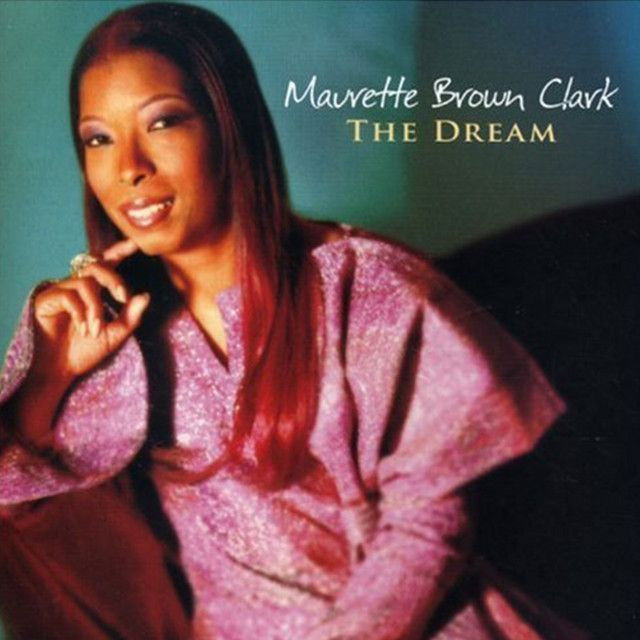
Why "One God" by Maurette Brown Clark Matters
The meaning of One God Maurette Brown Clark is direct, but that does not make it shallow. The song is built as a declaration of worship, not a puzzle. Its main purpose is to center listeners on God’s authority, uniqueness, and worthiness, then pull a group of believers into that shared praise.
"One God" - Maurette Brown Clark
To the true and living God, we sing,
You are Master of everything;
Loading lyrics...
Unable to load lyrics
We're unable to display the lyrics at this time. Please try again later.
Rather than telling a detailed life story, the song speaks in the language of church worship. It repeats key ideas until they feel settled in the heart. That is a major part of why the song works: it is meant to be sung together, remembered easily, and felt deeply.
A Worship Song With a Clear Core
At its heart, the song says that God alone deserves honor. Lines that call God Lord and King
and Master of everything
frame Him as ruler over both personal life and all creation. That language is not casual. It places God above every other power, title, or claim.
The chorus narrows the message even more with One God, one name
and One worthy of our praise
. In plain terms, the song argues that worship should not be scattered. It should be focused on one divine source.
Interpretation: This simplicity is the point. The song is not trying to explore doubt or tension. It is trying to create certainty and unity in worship.

Watch the official One God
music video
How the Verses Build a Bigger Picture
The verses move from praise by people to praise by the whole world. First, the singer addresses God directly, honoring Him as king. Then the language widens outward with All creation
calling and crowning Him king.
That shift matters. It means the song is not only about private devotion. It imagines a universe where everything recognizes God’s rule. In that sense, the track turns worship into a cosmic act, not just a church moment.
There is also a strong communal voice in phrases like we sing
. Even though the song addresses God directly, it does not sound solitary. It sounds like a congregation speaking together.
Why Repetition Is the Message
Some listeners may notice how often the key phrases return. In gospel and praise music, repetition often serves a spiritual and musical purpose. It helps a truth move from statement to conviction.
Here, repeating glory, praise, and kingship does three things:
- It makes the theology easy to remember.
- It invites audience participation.
- It creates emotional lift through insistence.
The effect is especially strong in the recurring praise lines. The song does not keep adding new images because it wants listeners to stay with one central truth. Each return to the hook feels like another layer of agreement.
The Sound Likely Carries the Faith Statement
Maurette Brown Clark is known in gospel circles for powerful, church-rooted vocal delivery and songs that connect strong lead singing with congregational feeling. That context shapes how this song lands, even when the lyric itself is spare.
A song like this typically relies on familiar gospel tools: steady rhythm, supportive choir or backing vocals, strong keyboard harmony, and dynamic repetition. Those elements matter because they turn a doctrinal statement into an experience. What could read as simple on paper becomes energizing in performance.
Interpretation: The likely build of the arrangement mirrors the message. As the words return again and again, the music can make God’s kingship feel larger, fuller, and more undeniable.
A Song About Unity in Worship
Another key part of the meaning of One God Maurette Brown Clark is unity. The song keeps narrowing attention to one source of praise, one authority, one name above all others. In worship terms, that creates focus. In group terms, it creates togetherness.
That is why the song feels bigger than a solo testimony. It sounds like a room being drawn into one purpose. The repeated claims are not there to show off writing complexity. They are there to line up many voices around the same confession.
Not Personal Struggle, but Public Praise
Many gospel songs mix worship with testimony about pain, survival, or breakthrough. This one is different. It does not dwell on hardship or ask for help. Instead, it stays fixed on adoration.
That choice gives the song a ceremonial feeling. It sounds suited for church openings, choir features, or moments when a congregation wants to affirm who God is before moving to anything else.
The Most Likely Takeaway for Listeners
The song’s emotional power comes from its certainty. It does not debate. It declares. By calling God king, master, and the only one worthy of praise, it invites listeners to respond with trust and reverence.
For many listeners, that is the lasting appeal. The song offers a clean, confident expression of faith that can be sung by one person or many. Its message is broad enough for any worship setting, yet specific enough to feel anchored.
In the end, One God is about more than repeating praise words. It is about ordering the heart. It says worship belongs in one direction, and it imagines all creation joining that act.
Final Thought on Its Meaning
The meaning of One God Maurette Brown Clark is best understood as a communal praise declaration: God alone rules, God alone deserves glory, and all voices should unite around that truth. Its simple lyric design, repeated hook, and worship-driven tone are not limits. They are the whole strategy.
Disclaimer: This interpretation is based on the released lyrics and gospel genre context. Meaning can vary depending on a listener’s faith background, church tradition, and personal experience with the song.








