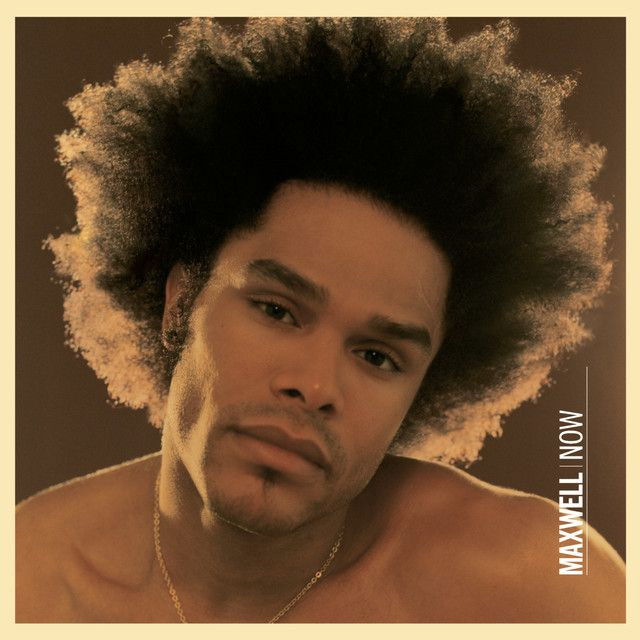
Lifetime by Maxwell: Love as a Second Chance
The meaning of Lifetime Maxwell comes down to a simple but powerful idea: love is not just a feeling they fall into. It is a choice that helps them heal, grow, and stay present. In this song, Maxwell frames romance as something deeper than fantasy. It becomes a life path.
"Lifetime" - Maxwell
I wouldn't believe, I wouldn't believe, no
Been through a storm, no use in hoping
Loading lyrics...
Unable to load lyrics
We're unable to display the lyrics at this time. Please try again later.
Released as the second single from Now in 2001, “Lifetime” was a strong commercial hit, reaching No. 5 on Billboard’s Hot R&B/Hip-Hop Songs chart and No. 22 on the Billboard Hot 100, according to Wikipedia. That success fits the song’s appeal: it is intimate, hopeful, and easy to feel even before they unpack every line.
What Maxwell Is Really Saying Here
At its core, the song is about emotional rebirth after pain. The narrator starts from a broken place, then realizes love can help them become whole again. Early on, the song describes a person who has already suffered and no longer expects rescue. That is why the phrase reborn when I was broken
matters so much. It captures both damage and renewal in just a few words.
This is not a flashy love song. It is about choosing life after disappointment. The repeated idea that they can either drift through existence or truly try gives the track its moral center. When Maxwell sings let my life pass me by
, he is not praising surrender. He is warning against it.

Watch the official Lifetime
music video
From Hurt to Hope
One of the song’s strongest moves is how it shifts from survival to commitment. In the first verse, the speaker sounds tired and guarded. They seem to have learned that waiting around for someone to save them does not work. Then love changes their outlook.
That turn gives the chorus its force. The phrase work it all out this lifetime
suggests that love is effort, patience, and endurance. The song is not promising a perfect ending. Instead, it says real connection takes work, and that work is worth doing while they are here.
A Quick Map of the Narrative
The lyric arc moves in a clear order:
- They begin wounded and distrustful.
- A loving connection helps them feel free.
- They realize they still have agency.
- They choose growth over passivity.
- They commit to building something lasting.
That structure makes the song feel uplifting without becoming naive.
The Chorus Turns Love Into a Decision
The chorus is where the meaning of Lifetime Maxwell becomes most clear. It repeats a basic fork in the road: let life slip away, or try. That contrast is bigger than romance. It sounds like a personal philosophy.
Interpretation: the song treats love as the place where inner healing and outer commitment meet. They are not just choosing a partner. They are choosing a fuller way to live.
There is also a spiritual tone in lines about moving forward and toward brightness. When Maxwell sings move to the light
, the image suggests clarity, healing, and moral direction. He makes emotional progress sound almost sacred.
I can let it all pass me by
Or I can just try and try
I can move to the light
If I take it one day at a time
This is the article’s only multi-line quote, and it shows the song’s worldview clearly: healing is active, gradual, and rooted in daily choice.
Love, But Not a Fairy Tale
A key line arrives when the song pushes back against fantasy. Maxwell says love is not make-believe or just a pretty song. The short phrase not a fairy tale
matters because it keeps the track grounded.
That realism gives “Lifetime” its emotional weight. Many love songs stop at desire. This one moves toward responsibility. It says mature love means staying open after pain, even when no outcome is guaranteed.
Interpretation: this may be why the song still connects with adult listeners. It respects how hard trust can be. Love here is tender, but it is also earned.
How the Sound Supports the Meaning
The production helps carry all of this. “Lifetime” sits in Maxwell’s smooth R&B and soul style, with warm instrumentation and a patient groove. According to Wikipedia, the song was written by Musze, Hod David, and S. Matthewman, and produced by MUSZE and Hod David.
Nothing in the arrangement feels rushed. The tempo gives the lyrics room to breathe. The drums and bass move gently, while the layered harmonies create a feeling of lift. That makes sense for a song about emerging from pain into openness.
Maxwell’s vocal performance is also crucial. He does not belt every emotion at once. He glides, pleads, and gradually intensifies. That control mirrors the message: healing is not instant. It unfolds.
Artist Context Matters
By the time Now arrived, Maxwell was already known as a major figure in neo-soul and modern R&B. “Lifetime” fits that reputation because it balances sensuality with reflection. It sounds romantic, but it also thinks deeply about what love asks of people.
Its chart success suggests listeners heard that mix of intimacy and seriousness. The song worked on radio, but it also rewarded close listening. That blend often defines Maxwell’s best material.
A Few Strong Interpretations
There is more than one valid reading of “Lifetime.”
Healing Ballad Reading
The most direct reading is that the song is about recovering from past hurt through a loving relationship. The speaker moves from isolation to trust and wants to build something lasting.
Spiritual Growth Reading
Interpretation: some listeners may hear the song as partly spiritual, not only romantic. Images of freedom, light, and rebirth can point to inner awakening as much as couple-based love.
Adult Commitment Reading
A third reading sees the song as a statement against immature ideas of romance. The message is that lasting love is built through effort, honesty, and time.
Why “Lifetime” Still Lasts
The reason “Lifetime” endures is that it treats love as both comfort and responsibility. It says a person can be hurt, hesitant, and still choose hope. That is why the meaning of Lifetime Maxwell feels bigger than a standard love song. It is about refusing to drift.
In the end, Maxwell presents love as a second chance at life itself. That is a beautiful idea, but also a demanding one.
Disclaimer: This interpretation is based on the lyrics, recording context, and public song information. As with any song, listeners may hear meanings that differ from this reading.







