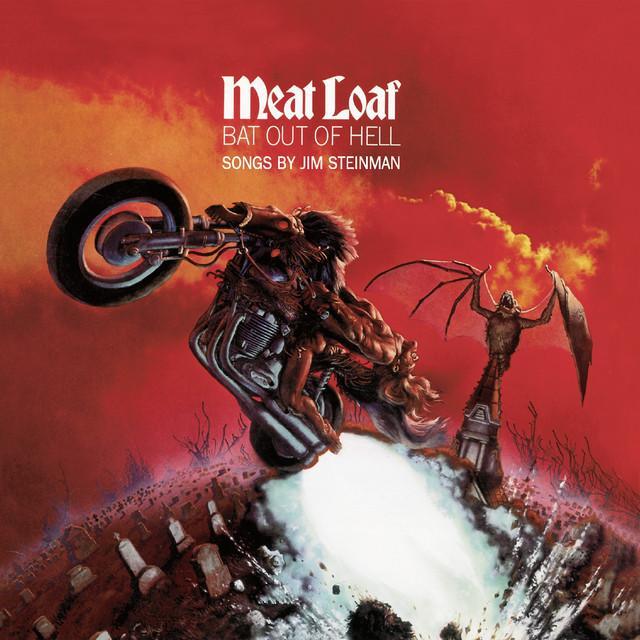
Bat Out of Hell by Meat Loaf
The meaning of Bat Out of Hell Meat Loaf starts with speed, danger, and desire. This is not just a love song or a driving song. It is a full rock opera in one track, where a young narrator tries to escape a dead-end world, clings to one pure connection, and races straight toward disaster.
"Bat Out of Hell" - Meat Loaf
Way down in the valley tonight
There's a man in the shadows with a gun in his eye
Loading lyrics...
Unable to load lyrics
We're unable to display the lyrics at this time. Please try again later.
Written by Jim Steinman and performed by Meat Loaf on the 1977 album Bat Out of Hell, the song turns teenage feeling into myth. It is huge, loud, and theatrical on purpose. That scale matters, because the emotions in the song are also oversized: love feels holy, escape feels urgent, and death feels almost cinematic.
The Song’s Core Message: Run Now, Pay Later
At heart, the song is about a person who feels trapped in a violent, decaying place and believes motion is the only answer. The opening images paint a city of chaos, with sirens, shadows, and danger everywhere. The world feels rotten and hopeless before the singer even speaks about love.
Then the song pivots. Against all that darkness, the narrator sees one person as pure and good and right
. That contrast is the key to the whole song. The lover is not just attractive; they are a light source in a broken world.
Still, the singer does not promise stability. The famous refrain, gone when the morning comes
, suggests a bond that is intense but temporary. They want this person deeply, but they are also built for flight. The song holds both feelings at once: longing for intimacy and needing escape.
Watch the official Bat Out of Hell
music video
A Story Told Like a Movie
One reason the song remains so gripping is that it unfolds in clear stages:
- A night world of danger is introduced.
- The narrator finds comfort in one beloved person.
- They decide to flee before dawn.
- The escape turns into a wild highway run.
- The ride ends in a fatal crash.
That final section changes the whole meaning. What first sounds like a rebellious getaway anthem becomes a tragedy. Steinman said he wanted the ultimate crash song, inspired by older teenage-tragedy records and operatic storytelling. That context helps explain why every image here is so extreme.
my heart, still beating
flying away
like a bat out of hell
These lines push the crash beyond realism into myth. The body is destroyed, but emotion keeps moving. The ending suggests that desire, fear, and the need to break free survive even after the narrator does not.
What the Chorus Really Means
The title phrase is a common way to describe moving very fast, but in this song it means more than speed. Like a bat out of hell
captures panic, instinct, and raw survival. The narrator is not calmly choosing a better life; they are blasting out of danger with almost animal force.
Interpretation: the chorus also works as a double meaning. On one level, they plan to leave the lover by morning. On another, morning may stand for death. If they are gone when the morning comes
, they may be talking about running away—or about not surviving the night.
That ambiguity is a big reason the chorus lasts in memory. It sounds triumphant, but it carries doom inside it.
Love, Damnation, and Teenage Myth
The middle of the song adds another layer: the narrator knows every choice is risky. They feel doomed if they stay and maybe doomed if they leave. But they would rather be damned with the person they love than safe in a dead world.
That is classic Steinman writing. His songs often make teenage emotions feel biblical or cosmic. Here, romance is framed with words about sin, heaven, and damnation. Love is not soft or mature; it is reckless, absolute, and almost religious.
This connects to Steinman’s long-running Neverland idea, a rock version of Peter Pan mythology, discussed in American Songwriter. In that context, the song can be read as a story about eternal youth: refusing limits, fleeing adulthood, and chasing one glorious night even when it cannot last.
How the Music Builds the Meaning
The production is essential to the song’s impact. Produced by Todd Rundgren, the recording opens with a long instrumental build instead of rushing to the vocal. That choice creates suspense, like the first scene of a movie before the main character appears.
The arrangement mixes piano, heavy guitar, drums, backing voices, and sudden dynamic changes. Roy Bittan’s piano gives it a dramatic, almost Broadway sweep, while the guitars and drums give it hard-rock muscle. Rundgren even shaped guitar sounds to mimic a motorcycle, turning the escape fantasy into something listeners can almost hear and see.
Meat Loaf’s voice is the final piece. They do not sing this song as a cool rocker. They perform it like a person fighting for their life. That theatrical delivery keeps the song from sounding silly. Instead, it feels committed, urgent, and strangely moving.
Why It Still Connects
The song reached major chart success in the UK and later became even bigger through reissues and the album’s massive cultural life. Its staying power comes from how completely it commits to its world. There is no irony here. Every feeling is turned all the way up.
Interpretation: listeners still connect because the song captures a familiar young-adult feeling in exaggerated form: the belief that one night, one ride, or one love could change everything. Even if the story ends in ruin, the hunger behind it feels real.
Final Take on the Meaning
The meaning of Bat Out of Hell Meat Loaf is the collision of freedom and fatality. It is about wanting love, wanting escape, and moving so fast that the line between liberation and self-destruction disappears.
That is what makes the song feel bigger than a simple narrative. It turns a night ride into a myth about youth itself: beautiful, reckless, doomed, and unforgettable.
Disclaimer: This interpretation combines lyrical reading, production context, and published artist commentary. As with any song, meaning can vary from listener to listener.







