Why 'Two Out of Three' Still Hurts
When people search for the meaning of Two Out of Three Ain't Bad Meat Loaf, they usually find a song that sounds simple on the surface but cuts deeper the longer it plays. This is not a love song in the usual sense. It is a breakup confession, built around a brutal idea: wanting someone and needing someone are not the same as loving them.
"Two Out of Three Ain't Bad" - Meat Loaf
But that ain't gettin us nowhere
I told you everything I possibly can
Loading lyrics...
Unable to load lyrics
We're unable to display the lyrics at this time. Please try again later.
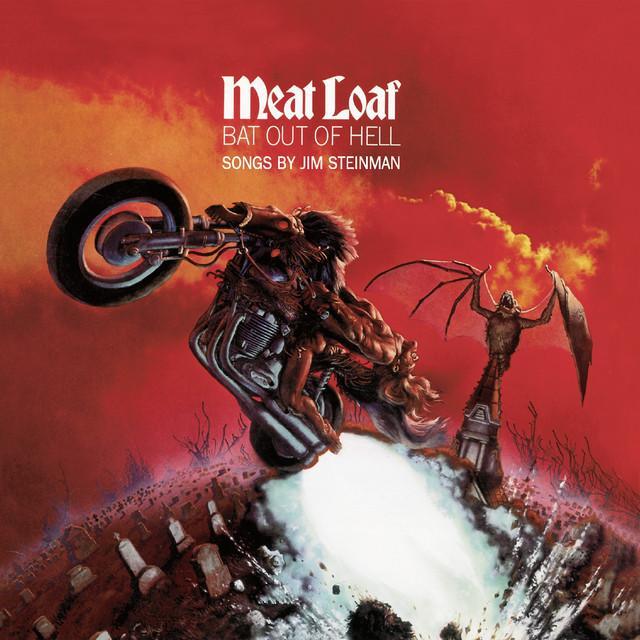
Released on Bat Out of Hell in 1977 and issued as a single in 1978, the song was written by Jim Steinman and produced by Todd Rundgren. It became one of Meat Loaf's signature hits, spending 23 weeks on the Billboard Hot 100 and reaching No. 11 in the US.
A breakup song built on honesty
At the center of the song is a speaker trying to explain a painful limit. They are not hiding their feelings. In fact, they are almost too clear. They say, in effect, that they can offer closeness and desire, but not lasting love.
That is why the chorus lands so hard. The speaker claims I want you
and I need you
, then follows it with the line that changes everything: ain't no way I'm ever gonna love you
. The title phrase tries to soften the blow, but it never really does.
Interpretation: the song is about emotional insufficiency. The narrator is not mocking the other person. They are admitting that part of them is missing, and they know that absence will wound whoever stays.

Watch the official Two Out of Three Ain't Bad
music video
The hidden wound behind the chorus
The first verses present a tense late-night conversation. Two people are stuck in the same room, talking and crying, but nothing changes. The winter imagery matters here. When the narrator says the snow is piling up and they are crying icicles
, the song turns coldness into a picture of emotional shutdown.
That image suggests more than sadness. It shows someone who has been frozen by a long stretch of distance, guilt, and frustration. They are exhausted, hoarse, and unable to explain themselves any better.
The backstory that explains the damage
Midway through, the song reveals why the narrator cannot give more. They say there was only one person they ever truly loved, and that memory still has a grip on them. Even worse, that love was not returned.
This twist reframes the whole song. The speaker is not just rejecting someone in the present. They are trapped by an earlier rejection they never survived.
I want youI need youThere ain't no wayI'm ever gonna love you
That repeated idea becomes a circle of pain. The narrator now says to another person what, in emotional terms, was once said to them. The song turns heartbreak into inheritance.
Why the clichés matter
One reason the lyric works is that Steinman uses familiar sayings and then twists them. The title sounds like a joke or an old one-liner, but inside the song it becomes tragic. The same is true of the comparison images in the bridge, where the narrator warns the other person not to search for impossible treasures.
Those lines are essentially saying: do not ask me for a kind of love I do not have. It is a harsh message, but the song frames it as reluctant truth rather than cruelty.
Steinman later recalled that he wrote the song after actress Mimi Kennedy urged him to write something simpler, inspired in part by Elvis Presley's I Want You, I Need You, I Love You
. His answer was to keep the first two ideas and deny the third, creating the song's famous twist.
How the music softens the rejection
The arrangement is a big reason this song feels sad instead of cold. It is often described as a power ballad or soft rock single, but it balances those modes carefully. Piano, drums, bass, guitar, strings, and synthesizer create a slow, wide emotional space rather than a sharp breakup attack.
Meat Loaf's vocal is crucial. They sing like someone pleading to be understood, not someone proud of withholding love. That performance keeps the narrator human. A flatter singer might have made the lyric sound selfish. Meat Loaf makes it sound torn.
The production history supports that feeling. The album version features stronger Moog synthesizer touches, while the single mix brought the strings forward and tightened the song for radio. Either way, the musical shape helps the confession swell into drama without losing its ache.
Why it connected so strongly
Part of the song's popularity comes from how uncomfortable its message is. Many breakup songs promise reunion, revenge, or total devastation. This one offers something stranger: partial feeling. That is more realistic than many pop songs are willing to be.
Reviews at the time noticed that tension. Cash Box praised the emotionally rendered vocals and called the lyric interesting, while Record World described it as rambling but appealing. Those mixed qualities are part of the appeal. The song is messy because the emotions are messy.
The clearest reading of the song
The best answer to the meaning of Two Out of Three Ain't Bad Meat Loaf is this: it is a song about someone who can be honest, passionate, and needy, yet still unable to love because an old wound has hardened into emotional fact.
Interpretation: the title is ironic. Two out of three is not bad in a game, but in love, the missing third part is the whole point.
That is why the song still stings. It understands that sincerity is not always enough, and that telling the truth can still break someone's heart.
Disclaimer: Song meaning is interpretive. This reading is based on the lyrics, recording context, and documented background, but listeners may hear it differently.








