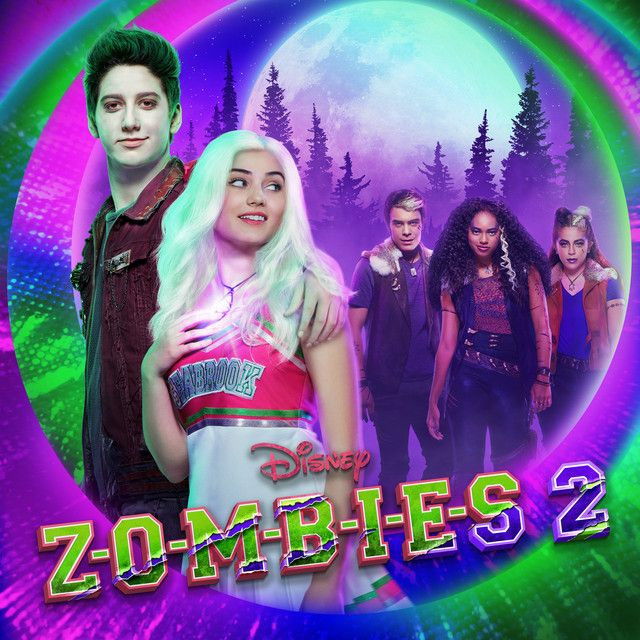
What 'Flesh & Bone' Declares
The meaning of Flesh & Bone Milo Manheim, Meg Donnelly, Kylee Russell, Carla Jeffery, Chandler Kinney, Pearce Joza, Baby Ariel comes down to one big idea: this is a group anthem about belonging, resistance, and refusing to be reduced to a label.
"Flesh & Bone" - Milo Manheim, Meg Donnelly, Kylee Russell, Carla Jeffery, Chandler Kinney, Pearce Joza, Baby Ariel
Yeah, we came for what was ours, it's time for restitution
We'll protect our own, take back the stone
Loading lyrics...
Unable to load lyrics
We're unable to display the lyrics at this time. Please try again later.
Performed by the cast of ZOMBIES 2, the song works inside the movie's world of rival groups, but it also reaches beyond that setup. They sing like a community that has been talked over for too long and has finally decided to answer back. The result is not just defiance. It is a demand for dignity.
A Rally Cry, Not a Love Song
At its core, "Flesh & Bone" is about a group reclaiming power. From the start, the lyrics frame conflict in political and emotional terms. Words about revolution, restitution, and standing their ground show that they are not asking for approval. They are asserting that something has been taken from them and needs to be restored.
That is why brief phrases like call for revolution
and stand your ground
matter. They do not describe a personal breakup or a private hurt. They turn the song into a public statement.
Interpretation: In the film context, that statement fits the tension between humans, zombies, and werewolves. In a broader sense, it sounds like a youth empowerment song about refusing silence when institutions fail to listen.
Watch the official Flesh & Bone
music video
Why the Chorus Hits So Hard
The chorus gives the song its clearest message. When they sing new generation
and insist they are more than flesh and bone
, they are saying identity is deeper than appearance. The body may be what others judge first, but the song argues that spirit, memory, loyalty, and choice matter more.
That line also pushes back against dehumanization. If others see them as creatures, threats, or stereotypes, the chorus answers that they are fuller and more complex than that. They may be divided by tribe or status, but they still carry inner worth.
It's now or neverwe're in this together
Those two short lines capture the song's urgency. The moment for action is immediate, and the answer is collective, not individual.
The Story the Verses Tell
The verses move through a simple but effective arc:
- They begin from exclusion and pressure.
- They shift into resistance and self-defense.
- They call for public choice and action.
- They end in solidarity.
Early lines describe being pushed down and nearly forgotten. That creates the emotional reason for the anthem. Later, the song warns that silence helps destruction continue. In other words, not choosing is still a choice.
A phrase like use your voice
is important because it changes the song from complaint into challenge. They are not only defending themselves. They are asking listeners to decide whether they will stay passive or join in.
Symbols That Carry the Meaning
Several images give the song extra force without making it complicated.
The Howl
When they repeat Hear us howl
, the howl becomes more than an animal sound. It symbolizes pride, group identity, and a refusal to hide. It is the opposite of silence.
Blood, Silver, and the Stone
The lyrics contrast family-like loyalty with materials tied to fantasy conflict. Blood suggests ancestry and connection. Silver hints at old monster myths and social division. The stone feels like a symbol of stolen power or legitimacy that must be reclaimed.
Mirror and Lost Pages
Later images get more reflective. Looking in the mirror suggests self-recognition: who are they really, and what have they become? Lost pages suggest erased history. The song implies that part of the struggle is not only survival, but recovering a story that others have distorted or forgotten.
How the Sound Supports the Message
"Flesh & Bone" is written by Doug Rockwell and Tova Litvin, who are credited with the song in connection with ZOMBIES 2. The production style matches its message: pounding drums, big group vocals, and a chorus built for chanting back. Even without long lyrical detail, the arrangement tells listeners this is supposed to feel communal.
That matters. A quieter or more intimate production would have changed the meaning. Instead, the track uses sharp rhythmic drive and stacked voices to make the song feel like a march or declaration. They do not sound isolated. They sound organized.
Interpretation: The polished pop production softens the threat in the lyrics just enough for a Disney audience, but it keeps the emotional stakes high. That balance lets the song feel fierce without becoming dark.
A Movie Song With a Bigger Message
Within ZOMBIES 2, the song fits a plot about mistrust, territory, and who gets accepted. That gives the lyrics a clear story function. But its language is open enough that many listeners can hear it as a real-world anthem about division, protest, and social courage.
The strongest part of the writing is that it never makes empowerment sound solitary. Again and again, the song returns to togetherness. They fight together, speak together, and refuse to break together. That shared stance is the reason the song lands emotionally.
The Real Meaning in One Line
The meaning of Flesh & Bone Milo Manheim, Meg Donnelly, Kylee Russell, Carla Jeffery, Chandler Kinney, Pearce Joza, Baby Ariel is that people become powerful when they stop accepting the identities forced on them and act as one.
It is a declaration song. It says the overlooked are still here, still strong, and ready to define themselves.
Disclaimer: This interpretation is based on the song's lyrics, performance, and film context, and other listeners may reasonably hear different meanings.









