
Why Megadeth's 'Trust' Still Hits Hard
Megadeth's "Trust" is one of the band's clearest songs about emotional damage. For listeners searching for the meaning of Trust Megadeth, the core idea is simple: two people have hurt each other so often that love remains, but belief is gone.
"Trust" - Megadeth
Nothing is what it seems
Searching my head
Loading lyrics...
Unable to load lyrics
We're unable to display the lyrics at this time. Please try again later.
Released in 1997 as the lead single from Cryptic Writings, the track became a major crossover moment for the band. It reached No. 5 on Billboard's Mainstream Rock chart, according to Billboard. That success matters because it shows how "Trust" translated Megadeth's intensity into a more melodic, radio-ready form without dropping the band's emotional bite.
The Heart of the Song Is Mutual Damage
At its center, "Trust" is about a relationship ruined by repeated dishonesty. The narrator is not pointing at one villain. Instead, they admit both sides helped wreck the bond. That is why lines about pain and betrayal feel heavier than a standard breakup song.
Early images set the mood: confusion, memory, and the shock of separation. When the singer recalls being lost in a dream
, the idea is not fantasy in a happy sense. It suggests disorientation. They cannot fully process what was said, what was real, or how things fell apart.
Soon the song moves from sadness to self-accusation. The phrase betrayed by lust
points to desire overpowering judgment. Whether that means cheating, temptation, or selfish behavior, the result is the same: physical and moral fallout. The pain is not abstract. It sits in the body and in memory.
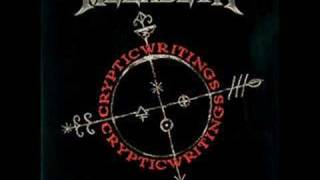
Watch the official Trust
music video
A Breakup Song With No Easy Innocent Side
One reason "Trust" stands out is its honesty about shared blame. Many rock songs about broken relationships make one person the victim and the other the liar. Here, Megadeth complicates that idea.
The key confession is that we lied to each other
. That changes the song's meaning. This is not just about being deceived; it is about living inside a pattern of deception until the relationship loses all ground beneath it. By the time the chorus lands, trust is not merely weakened. It has become impossible.
God help me please, on my knees
That in nothing we trust
This brief moment sounds almost like a prayer, but it does not bring relief. Instead, it underlines how desperate the speaker has become. Even when they ask for help, they remain trapped in the same cycle.
How the Verses Build the Story
The narrative unfolds in a clear sequence:
- They remember the final goodbye.
- They replay the scene and their mistakes.
- They admit both people kept bending the truth.
- They confess they still cannot let go.
- They realize trust itself now feels painful.
That last step is the real twist. The song does not just say trust was broken. It says trust now feels dangerous. When the narrator says Trust hurts
, they are describing emotional conditioning. After enough lies, even the idea of faith in another person starts to feel like a setup for suffering.
The Chorus Turns a Private Fight Into a Bigger Theme
The chorus gives the song its broader meaning. On the surface, it is about one failed romance. But the hook pushes the message into something more universal: once dishonesty becomes normal, people may stop believing in anything stable.
Interpretation: this is why the line about trusting nothing feels so bleak. It suggests the damage spreads beyond one partner. A failed intimate bond can shape how someone sees love, friendship, and even their own judgment.
Another revealing moment comes when the singer admits trust me
is itself a lie. That is brutal because it attacks the very phrase people use to repair closeness. The song suggests words can become empty if actions have already poisoned them.
Sound and Production: Why the Emotion Lands
The meaning of Trust Megadeth is not carried by lyrics alone. The arrangement does a lot of work. The song opens with a memorable drum-led groove, then adds bass and guitar in a way that feels controlled rather than chaotic. That restraint fits the subject: this is not blind rage, but wounded reflection.
Factually, "Trust" was written by Dave Mustaine and Marty Friedman, and produced by Dann Huff with Mustaine. Songfacts also notes that the bridge slows down and includes strings from the Nashville Symphony Orchestra. That detail matters. The strings widen the emotional space, making the song sound bruised and dramatic before the heavier guitars return.
Mustaine's vocal performance is also key. He sounds less like he is attacking an enemy and more like he is arguing with himself. That balance between accusation and confession is why the song remains affecting.
Context Inside Megadeth's Career
"Trust" came from a period when Megadeth were broadening their sound. The band kept their metal foundation, but they aimed for stronger hooks and cleaner structure. Some older fans debated that shift, yet it helped the song reach beyond the thrash audience.
That broader sound does not weaken the meaning. If anything, it sharpens it. A cleaner mix lets the emotional theme come through with unusual clarity for a band often associated with speed, precision, and aggression.
Songfacts quotes Mustaine saying a real relationship inspired the song and that singing about it was part of a healing process. That short comment supports the song's emotional directness. It feels lived in, not invented for drama.
Final Reading: What 'Trust' Really Means
The best way to read "Trust" is as a song about the collapse of intimacy through repeated lies, mutual weakness, and unresolved desire. It is sad not because love is absent, but because love survives after belief has died.
Interpretation: the song's deepest fear is not heartbreak alone. It is becoming the kind of person who cannot trust others, and cannot trust themselves either.
That is why "Trust" endures. It turns a personal breakup into a larger question: after enough damage, how do people rebuild faith in anyone?
Disclaimer: This interpretation is based on the released song, publicly available background, and critical reading of the lyrics. Like most songs, "Trust" can support more than one valid meaning.