
Why Meghan Patrick’s Christmas Cover Hurts
The meaning of I'll Be Home for Christmas Meghan Patrick comes from a simple but powerful tension: the song sounds warm and comforting, yet its real subject is distance. It imagines the perfect holiday scene, then quietly admits that the singer may never reach it except in hope.
"I'll Be Home for Christmas" - Meghan Patrick
You can plan on me
Please have snow and mistletoe
Loading lyrics...
Unable to load lyrics
We're unable to display the lyrics at this time. Please try again later.
Meghan Patrick’s version works because they do not fight that sadness. Instead, they lean into the classic emotional pull of a standard that has endured for decades. Written by Buck Ram, Walter Kent, and Kim Gannon, the song became a major holiday favorite in the 1940s, with its history often tied to wartime separation and homesickness.[1][2]
A Promise That Already Feels Fragile
On the surface, the lyric opens like a reassurance. The singer says I'll be home for Christmas
and asks loved ones to count on them. That sounds certain at first, but the song’s mood suggests they are trying to comfort both the listener and themselves.
That is why the line You can plan on me
feels so important. It is not just a travel update. It is an emotional pledge to remain connected to family traditions, even when real life may get in the way.
Interpretation: In Patrick’s version, this promise can be heard as intentionally bittersweet. They present the song less as a confident arrival story and more as a wish spoken out loud.
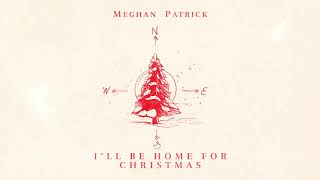
Watch the official I'll Be Home for Christmas
music video
The Holiday Images Are Really About Belonging
The song’s famous Christmas details matter because they are ordinary. References to snow and mistletoe
and gifts by the tree are not there just to paint a festive picture. They stand for the routines that make home feel safe and familiar.
These images are small, but that is exactly why they work. The singer does not dream about luxury or spectacle. They long for recognizable rituals: weather outside, decorations inside, and the sense that family life is waiting unchanged.
Where the Real Emotion Lands
The emotional center comes late, when the song shifts from promise to painful honesty. The phrase love light gleams
suggests a house filled with welcome, memory, and warmth. Home is not just a place on a map. It is a beacon.
Then the final turn changes everything:
If only in my dreamsIf only in my dreams
That brief ending reveals the song’s true meaning. The singer may be physically far away, unable to return, or uncertain about making it back in time. What sounded like a holiday vow becomes an admission that longing can be stronger than reality.
Meghan Patrick’s Voice Fits the Song’s Core
Patrick is known as a country artist, a style built to carry plainspoken storytelling and emotional directness.[3] That matters here. Country music often treats home not as an abstract idea but as something tangible: family, traditions, front porches, winter weather, and hard-earned tenderness.
Because of that background, their take on the song likely feels grounded rather than overly polished. A country holiday cover usually gains power from restraint—steady tempo, warm instrumentation, and a vocal that sounds close to the listener. That kind of approach lets the lyric’s ache come through without overselling it.
Interpretation: If Patrick keeps the arrangement gentle, the song’s sadness becomes more intimate. Soft acoustic textures, light piano, or brushed percussion would underline the sense of memory. Strings or layered harmonies, if present, would likely widen the feeling of nostalgia instead of changing the song’s message.
Why the Chorus Still Works After So Many Years
Part of the meaning of I'll Be Home for Christmas Meghan Patrick is that the chorus sets up hope, then gently pulls it away. Many holiday songs celebrate the season as something already happening. This one is different. It treats Christmas as a destination the singer is reaching toward.
That structure gives the song lasting power. First, it names familiar holiday comforts. Then it shows how painful those comforts can feel when someone is absent from them. Listeners do not just hear Christmas cheer; they hear what it means to miss it.
In that sense, the song speaks to more than travel. It can connect with military service, work obligations, broken plans, grief, or any season when family closeness feels out of reach. That emotional flexibility is a big reason the standard has survived across generations.[1][2]
A Few Ways to Read It
There is one clear reading and one softer alternate reading.
- Most direct reading: The singer is physically away and cannot make it home.
- Interpretation: The song can also be heard as emotional distance. Even if someone returns, they may only be able to reconnect with the feeling of home in memory.
Patrick’s version likely benefits from both meanings. A strong cover of this song should sound personal enough for a single storyteller, but open enough for listeners to place their own holiday ache inside it.
Why This Cover Resonates
What makes this song endure is its honesty. It starts with seasonal comfort and ends with vulnerability. Meghan Patrick’s style suits that design because they can bring warmth without erasing the ache.
So, the meaning of I'll Be Home for Christmas Meghan Patrick is not just about getting back for the holiday. It is about wanting connection so badly that even a dream begins to feel precious. The song reminds listeners that Christmas is often defined less by decorations than by who is missing from the room.
Disclaimer: This interpretation combines established historical context about the song with informed analysis of its lyrics and Patrick’s likely artistic approach. Meaning can vary from listener to listener.









