I'm The Only One by Melissa Etheridge
Melissa Etheridge's "I'm the Only One" is a love song, but not a calm one. It is fierce, jealous, wounded, and stubborn at the same time. For readers searching for the meaning of I'm The Only One Melissa Etheridge, the core idea is simple: the singer is begging a partner not to chase a new attraction because they believe the deepest, truest passion still lives in their current bond.
"I'm The Only One" - Melissa Etheridge
My mind's a burnin' hell
I got razors a rippin' and tearin' and strippin'
Loading lyrics...
Unable to load lyrics
We're unable to display the lyrics at this time. Please try again later.
A Love Triangle Turned Into a Rock Plea
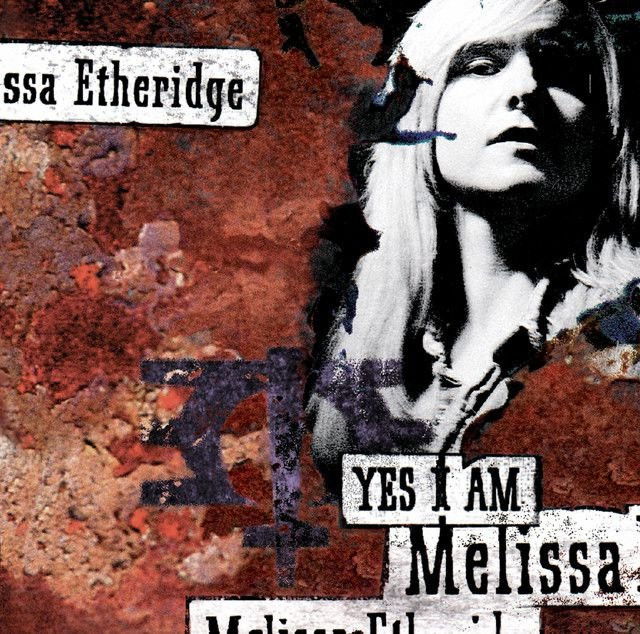
The song comes from Etheridge's 1993 album Yes I Am, and it was released as the lead single. Factually, it became one of her biggest hits, peaking at No. 8 on the Billboard Hot 100 and earning a Grammy nomination for Best Rock Song.
That success makes sense because the song turns a private relationship crisis into something huge and public. Instead of sounding sad and defeated, Etheridge sounds like someone fighting for love in real time. The speaker sees their lover drifting toward another woman and refuses to act detached.

Watch the official I'm The Only One
music video
What the Narrator Is Feeling
At the start, the words describe inner damage, not cool reflection. The images suggest a mind in chaos and a heart being ripped apart. In plain terms, the singer is not simply upset; they feel cornered by fear, desire, and anger.
Then the story gets clearer. The lover has admitted they ache for something new. That newness matters because it represents temptation, novelty, and escape, not proven love. The singer argues that this other relationship may look exciting now, but it will not heal what is broken underneath.
Why the Chorus Hits So Hard
The chorus is the emotional center of the track. When Etheridge declares I'm the only one
, they are making a claim about devotion, not ownership alone. The point is that nobody else will love this person with the same intensity or sacrifice.
Two short images carry that idea. One is walk across a fire
; the other is drown in my desire
. Both are exaggerated on purpose. They present love as risky, painful, and absolute.
It's only fear that makes you runThe demons that you're hiding from
This is the song's sharpest turn. The singer says the lover is not leaving because the new person is better. Interpretation: they are leaving because they are scared of intimacy, history, and their own unresolved pain.
Verse by Verse: How the Argument Builds
The verses and chorus work like an argument in three steps:
- The singer reveals personal hurt.
- They describe the lover's pull toward someone new.
- They answer that temptation with a bigger claim about real passion.
Later lines deepen that pattern. The singer says they have lived through this kind of pain before and do not want to repeat it. When they warn that another person's beauty will not make the pain disappear, the song moves beyond jealousy. It becomes a statement about emotional avoidance.
In other words, the narrator thinks the lover is using romance as a distraction. The phrase wrestle the sorrow
suggests that the real battle is internal. Even after the thrill fades, the lover will still face the same sadness.
Sound, Production, and Why It Feels So Physical
The meaning of "I'm the Only One" is carried not just by lyrics but by performance. Etheridge's rasp gives the song a lived-in urgency. They do not sound polished or distant; they sound like they are pushing the words out of their body.
The production, handled by Hugh Padgham and Etheridge, supports that feeling. The drums drive forward with force, the electric guitar bites around the vocal, and the arrangement leaves room for the performance to feel raw rather than pretty. Musicians on the track included Waddy Wachtel on electric guitar and Pino Palladino on bass, which helps explain why the groove feels both muscular and controlled.
This matters because a softer arrangement might have made the lyric sound needy. Here, the rock setting makes it sound confrontational and alive.
A Bigger Melissa Etheridge Theme
This song fits a pattern in Etheridge's writing. She often writes about love as something messy, bodily, and impossible to tidy up. According to the research summary on the song's history, it also connects to relationship themes found in earlier work, especially around non-monogamy and emotional conflict.
That context helps explain why the song still lands. It is not about ideal romance. It is about wanting someone when trust is breaking down, and still believing the connection is real.
One Song, Two Possible Readings
There is a straightforward reading: the singer is right, and the lover is making a mistake.
But there is also another reading. Interpretation: the repeated insistence of I'm the only one
may partly be self-persuasion. The singer sounds strong, yet they may be trying to talk themselves out of abandonment. That tension between certainty and panic is what makes the song feel human.
Why It Endures
The lasting power of the meaning of I'm The Only One Melissa Etheridge comes from that mix of boldness and vulnerability. It is a breakup-near-miss song, a jealousy song, and a declaration of unmatched devotion all at once.
Etheridge does not present love as gentle. They present it as a force that burns, wounds, and still demands to be believed. That is why the song remains memorable decades later: it tells the truth about how people sound when they are hurt and still refusing to let go.
Disclaimer: This interpretation is based on the song's lyrics, recording context, and public chart history. As with any song, listeners may hear meanings that differ from this reading.








